
Planning a Multi Gas Detector evaluation around requirement screening final evaluation
Set the criteria before comparing candidates
When planners evaluate a multi gas detector, the first task is to define the decision rather than collect model names. A fleet or equipment review may involve several operating contexts, users, interfaces, documentation needs, and purchasing constraints. Those factors should become a short requirement register before anyone compares candidates. Separating essential requirements from preferences helps prevent an attractive feature from distracting the review.

Start with the question the purchase must answer. Is the review concerned with a replacement, a new equipment class, standardisation across a fleet, or a small number of specialist units? The answer affects the evidence that matters. A replacement review may focus on continuity and compatibility questions, while a new purchase may require a broader description of the intended use. These are planning distinctions, not assumptions about any particular supplier or product.
A practical register can use four columns: requirement, reason, evidence needed, and review status. Requirements might cover the gases of interest, the number of instruments, the operating environment, user handling, data or interface needs, documentation, and commercial constraints. Keep the wording precise. “Suitable for the job” is difficult to evaluate; “the supplier must state the monitored gases for the proposed model” creates a clearer evidence request.
Review evidence by requirement
Evidence should be assessed against the requirement it is meant to answer. A category page can establish that a product family exists, but it should not automatically answer model-level questions. Likewise, a specification for one model should not be transferred to another model without a direct basis. Recording the source and scope beside each requirement makes this boundary visible to everyone involved in the evaluation.
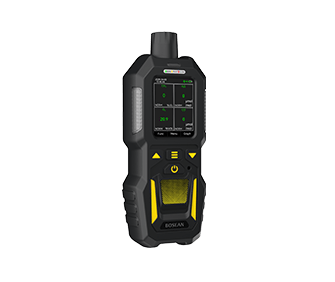
A useful real-world catalogue anchor is the multi gas detector category page from Bosean. The page names multi-gas detectors and lists the K-40 4 in 1 and K-600N 6 in 1 models. That information can support a catalogue-level starting point: there is a named category and there are listed model options. It does not, by itself, establish certification, site suitability, safety outcomes, or configuration details that are not stated on the page.
Use an evidence status such as “confirmed for scope”, “requires clarification”, or “not established”. The status should describe the review record, not the quality of the supplier. For example, a model name may be confirmed on a catalogue page, while a particular requirement remains open because the available wording does not address it. This approach keeps the evaluation useful without converting silence into a negative conclusion or an unsupported positive claim.
Keep trade-offs visible
Requirement screening becomes more reliable when trade-offs are written down instead of left in meeting notes. A candidate may appear attractive because it is listed in the required category, yet the review may still need to resolve model scope, documentation, interfaces, quantities, or purchasing conditions. None of these open points should be hidden by a broad “meets requirements” label.
For each candidate, prepare a short comparison record with three parts. First, state the evidence that directly matches the requirement. Second, identify the interpretation being made, if any. Third, record the question that must be answered before a final recommendation. This structure distinguishes fact from judgement. It also gives technical buyers and procurement colleagues a common language for discussing the same review.
Use a decision rule agreed before the final comparison. For instance, the team might decide that an essential requirement must have direct evidence, while preferences can be ranked after the essential screen. The exact rule is a project choice. The important point is to apply it consistently and to explain any exception. A weighted score can be useful as a summary, but it should not conceal an unresolved essential requirement.
Create a repeatable decision record
The final record should allow another reviewer to understand how the shortlist was formed. Include the review purpose, date, requirement register, sources consulted, candidate scope, open questions, and the reason for the proposed next step. Keep product facts separate from general recommendations. This is especially important when a catalogue contains several models with different names or numbered configurations.
A repeatable record also reduces avoidable rework. If the same fleet is reviewed later, planners can see which requirements were stable, which were specific to the earlier purchase, and which evidence needs a fresh assessment. The record should not claim a result that the evidence does not show. It should instead state whether the current information supports progression, requires a focused clarification, or is insufficient for the defined decision.
In practice, requirement screening is a disciplined way to narrow a review without overstating what a product page proves. Begin with the operating decision, map each requirement to evidence, preserve the distinction between category and model information, and keep open points visible through the final evaluation. The Bosean catalogue page can serve as one documented starting point for the listed category and models, while the wider decision record should remain limited to evidence that applies to the stated scope.