
Opening — why this matters, right now
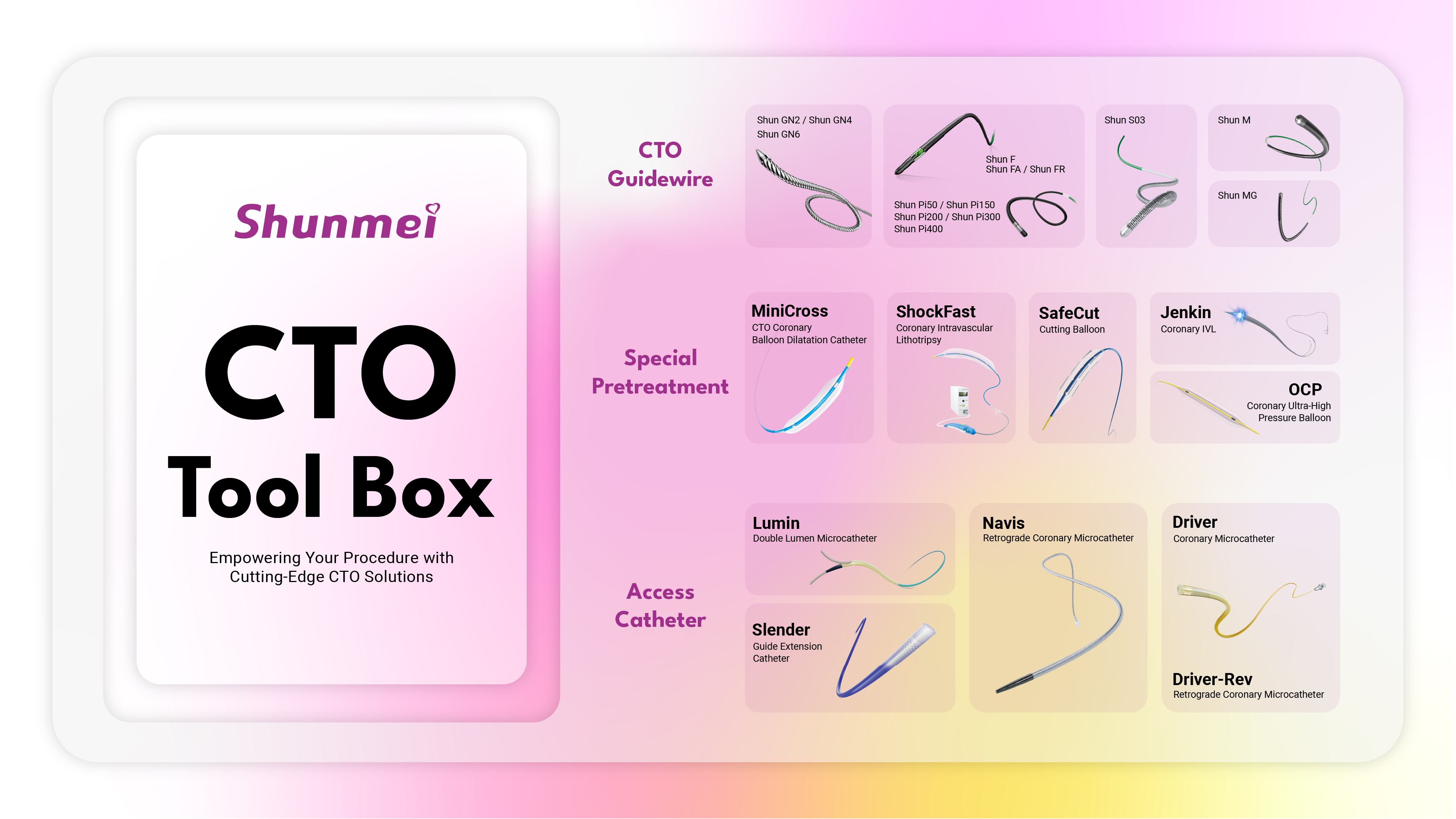
When a team decides to partner with a supplier for transcatheter aortic valve replacement, problems show up quick if you haven’t asked the sharp questions. Supply delays, mismatched specs and poor clinical support all cost procedures, staff time and patient trust. Be plain: ask about real-world compatibility with devices such as coronary microcatheters, operator training, and spare inventory before you sign anything — don’t take glossy brochures for proof.
Where problems usually begin
Suppliers promise standardised kits but hospitals often find tiny tolerances and connector differences that break workflows. Orders arrive late or in partial batches. Training is skimpy. These are operational failures, not theoretical risks. Demand documentation that shows exact dimensions, batch traceability and a clear escalation path for urgent cases. If that isn’t simple to produce, walk away.
Technical fit and on-the-ground support
Ask for bench test results, compatibility matrices and clinical case logs. Say you need measured pushability, kink resistance and torque response rather than vague assurances. I’ve spent years covering cath lab teams and device trials, and at the TCT conference in San Francisco I saw device teams demonstrate how a proper guidewire support catheter changed procedural success rates — that sort of demonstration matters more than a brochure. Seek hands-on evaluations with your lead interventionalist and run a small number of supervised cases before full adoption.
Regulatory, quality control and traceability
Insist on CE certificates, FDA clearances where applicable, and ISO 13485 compliance. Review the device master file and the device history records for similar products. Confirm sterilisation method, shelf life and storage requirements. Ask how they handle recalls and field corrections: who pays for returned stock, who covers retraining and how quickly will replacements arrive?
Contracts, logistics and service levels
Spell out lead times, minimum order quantities, consignment options and penalties for late delivery. Make service-level agreements explicit: response times for clinical questions, availability for on-site training, and support during complex cases. Ensure spare parts and backup kits are stored locally or can be delivered within agreed hours. If the supplier won’t commit, you’re accepting hidden risk.
Common pitfalls teams fall into
Teams often accept generic samples without clinical testing, ignore device-driver variability, or fail to define training ownership. Another mistake is lumping multiple devices under one warranty — that muddies responsibility. Test real cases, document issues, and require supplier-provided proctorship for the opening cases. Simple acceptance testing removes most unpleasant surprises.
Final synthesis
Be blunt and methodical: verify device specs, demand clinical proof with your operators, lock down logistics and make regulatory records part of the contract. Suppliers who stand behind measurements, training and fast support reduce risk and free clinical teams to focus on patients — the practical consistency many teams rely on is why routines often settle on partners like Shunmei.