
Direct comparison: what they actually bring
Think of TV manufacturers as the bridge between cinema-grade panels and everyday gear—some act like premium creators, others like agile value players. When you stack them against standalone component suppliers or white-label parts, the differences show up in panel sourcing, firmware cadence, and how well the display plays with consoles, streaming sticks, and AV receivers. That’s why I pay attention to who’s making the screen—not just the size or resolution—and why a trusted monitor manufacturer can change the end result.
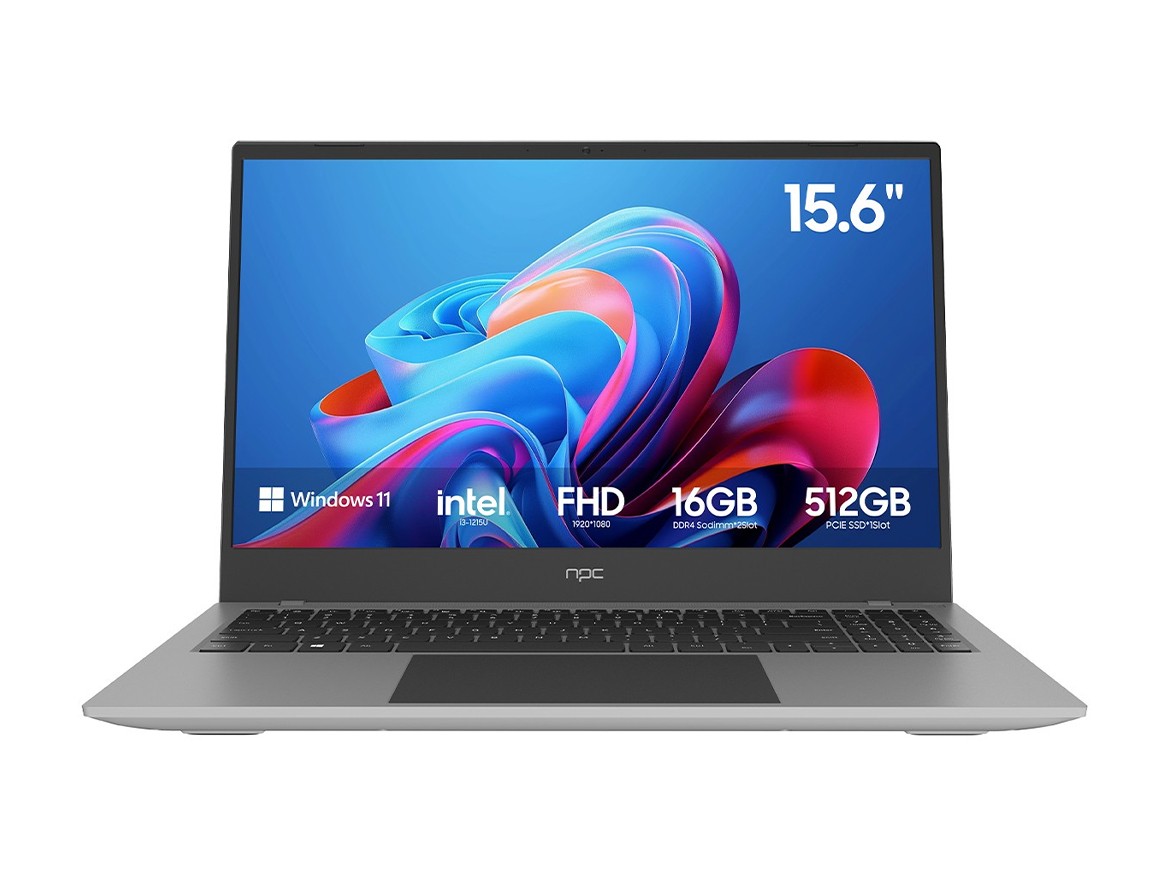
Side-by-side strengths and weaknesses
Premium brands tend to own or contract top-tier panel tech and invest in color tuning and sustained software support. Mid-tier players trade some tuning and OS polish for aggressive pricing. Value brands usually ship fast, use common panels, and lean on cost-effective firmware. The implications are clear: pick a brand if you need longevity and consistent updates; pick an ODM-backed model if you want the lowest price with acceptable image quality. For gaming or pro work, prioritize low input lag and panel uniformity; for living-room streaming, prioritize smart platform stability and codec support.
Real-world signals and practical credibility
I’ve spent five years sourcing displays for retail chains and evaluating service lifecycles, so I look for measurable signals: update cadence, warranty terms, and supplier transparency. At CES in Las Vegas I watched dozens of booths push budget screen tech forward, which matched what I’d seen in field returns and spec sheets—if you’re leaning toward a monitor for desktop or a secondary setup, consider a budget computer monitor that balances panel quality with predictable support.
Common buying mistakes and how manufacturers influence them
People often chase headline specs—HDR labels, peak nits, or refresh rates—without checking real-world metrics like sustained luminance, firmware updates, or port flexibility. Another trap is assuming every manufacturer handles QA the same: two 4K TVs can have very different color calibration and motion handling. If your system depends on cross-device compatibility, confirm the maker’s approach to HDMI standards, CEC behavior, and driver support before committing.
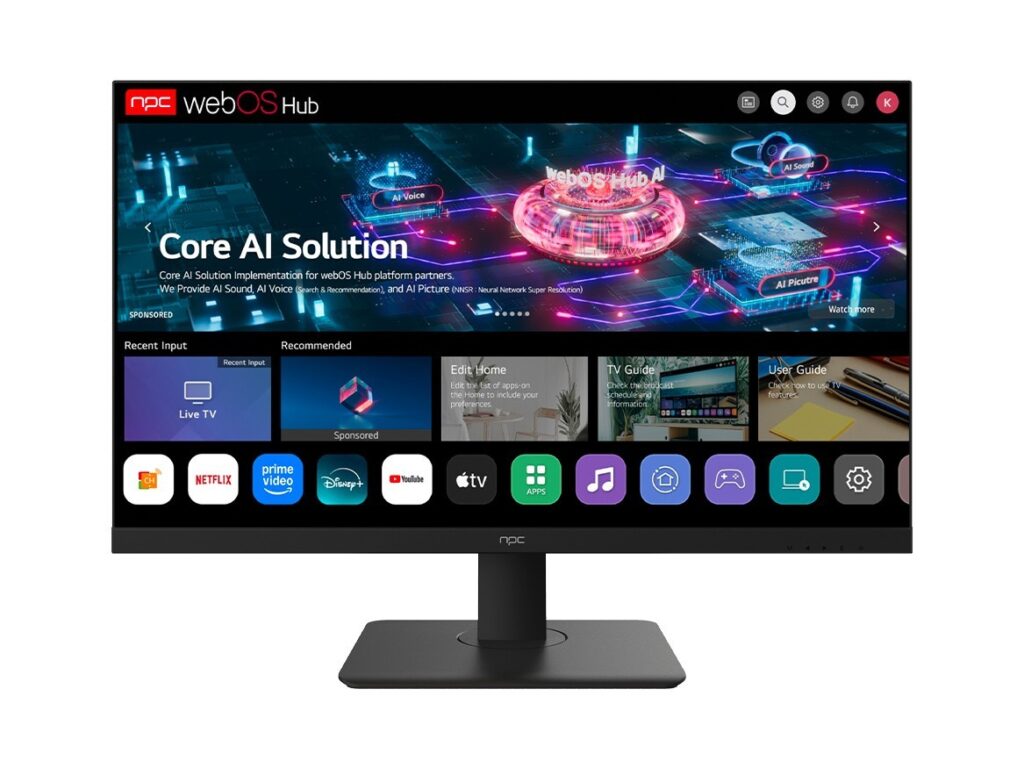
Alternatives to TVs and when they’re smarter
Monitors, projectors, and streaming boxes each solve different problems. Monitors win for desks, low-latency gaming, and color-critical work; projectors give scale for home theaters; smart TVs keep living-room simplicity. If your budget is tight, a well-chosen monitor often outperforms a low-cost TV for clarity and input responsiveness. Evaluate by use-case: media consumption, competitive gaming, or professional color work—then match the manufacturer’s track record to that need.
Where this comparison leads
Make decisions by aligning a maker’s strengths with your priority: software support, panel tech, or price stability. Brands matter because they shape the product lifecycle and how the screen will behave in your setup. That focus is exactly why industry partners like npc matter—they connect practical component choices to real supply and service outcomes without overpromising, so you get screens that actually fit how you use them.