
Analytical overview and first selection criteria
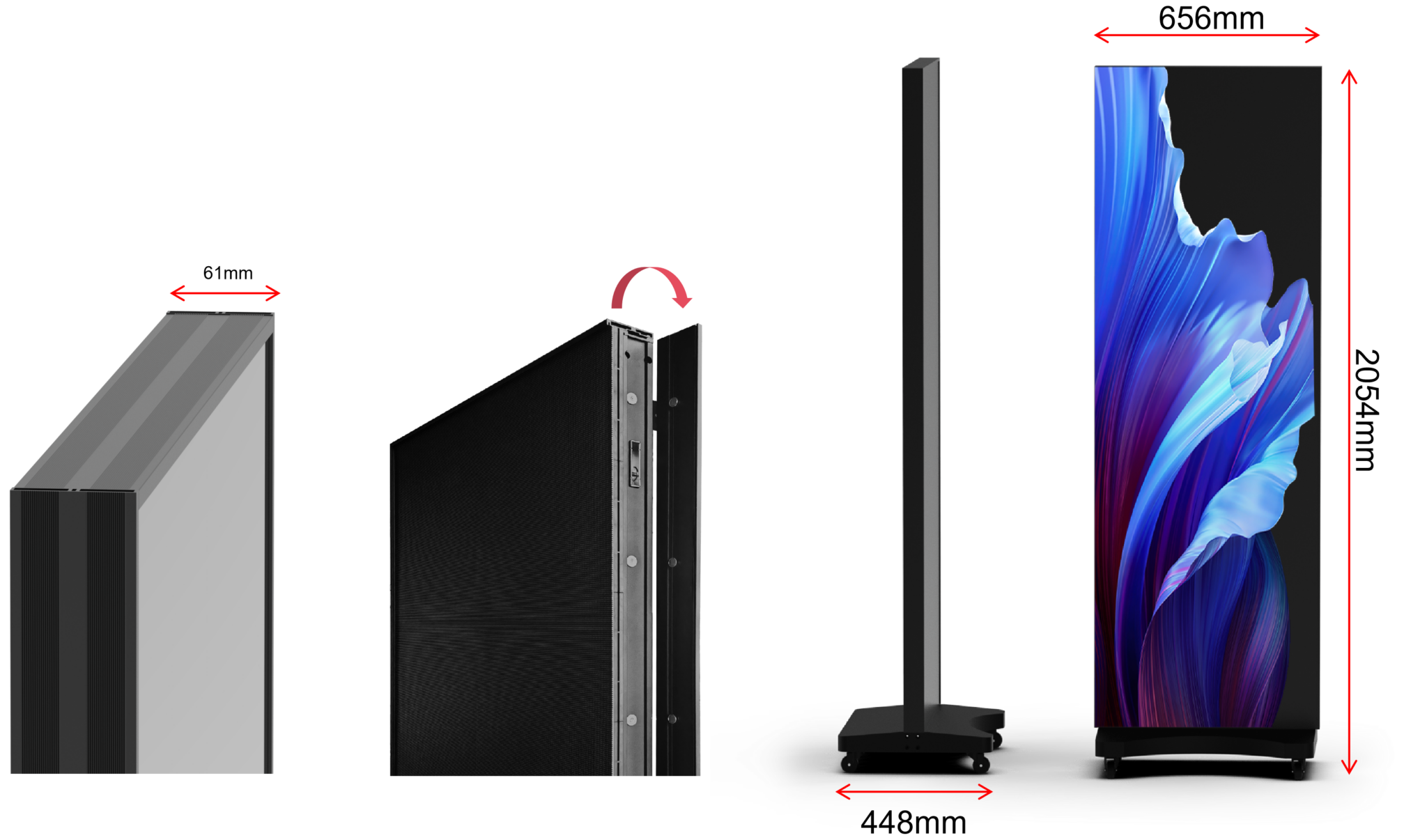
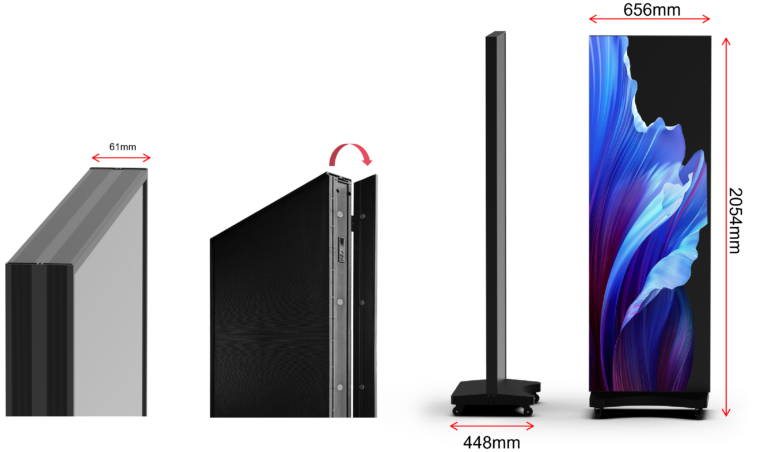
Buyers need numeric thresholds, not marketing claims. Start with three repeatable measurements: peak brightness (cd/m²), pixel density (pixel pitch in mm), and effective refresh rate (Hz). If you plan portable demonstrations or rotating retail placement, evaluate units that are compact and easy to reconfigure; for example, an all-in-one unit like the led poster display shortens setup time while giving a consistent baseline for brightness and color checks. I’ve run spectral and frame-timing audits on hundreds of panels; use those audits to reject ambiguous specs and force vendors to provide raw measurements.
Key metrics every procurement sheet must list
Quantify each criterion before vendor presentations. Minimum acceptable values I use: indoor brightness 800–1,200 cd/m²; outdoor brightness 5,000+ cd/m²; pixel pitch: 1.5–3 mm for near-view retail, 3–6 mm for mid-range viewing; refresh rate ≥3,840 Hz for camera-friendly use or ≥1,920 Hz for most live-view scenarios; color gamut: Rec.709 coverage ≥95% for accurate video; latency under 20 ms from input to panel. Also demand power consumption per square meter (W/m²) and an IP rating for environmental exposure. If a vendor can’t provide these numbers, they can’t be reliably compared.
Technology comparison — measurable trade-offs
Compare SMD, COB and microLED with precise performance expectations. SMD: cost-effective, good brightness, typical pixel pitch down to 1.2 mm. COB: improved reliability with fewer visible seams, slightly higher brightness-per-watt. MicroLED: best contrast and longevity but higher upfront cost and limited availability for large-format. For each tech, collect luminance/efficiency (cd/W), mean time between failures (MTBF) if given, and service modularity (time to swap a module). Rank candidates by normalized metrics (e.g., brightness per watt, dollars per square meter per 1,000 cd/m²) to avoid selection bias.
Connectivity, controllers and calibration requirements
Probe controllers and signal chains. Ask for supported frame rates, HDR processing, and whether the system outputs standard color profiles (Rec.709, DCI‑P3). Require vendor-provided calibration files and a stated procedure for field calibration; color drift of more than ΔE 3 across six months is unacceptable for brand-critical content. Confirm supported input formats, latency figures, and whether automatic thermal management reduces brightness to protect LEDs — that affects perceived consistency during long runtime.
Common pitfalls that skew procurement decisions
Don’t be swayed by headline numbers without context. Pitfalls I consistently see: relying on peak white brightness without measuring sustained luminance, ignoring refresh-rate specifications that cause flicker on camera, over-spec’ing brightness and creating unnecessary heat load, and accepting vague warranty terms that don’t cover burn-in or pixel failure thresholds. Test candidate units with your actual content (static images, high-contrast video, and camera feeds) before signing contracts.
Field validation and a concrete anchor
Measured demos matter. At CES in Las Vegas, vendors routinely field-tested compact poster-style units for quick retail demos; those sessions revealed how setup ergonomics and calibration procedures affect real-use outcomes. For direct comparison during field trials, include a reliable portable sample: portable led poster display so you can compare setup time, measured brightness, and color accuracy across candidates under identical lighting conditions.
Synthesis — how to convert metrics into a final selection
Rank suppliers by weighted scores: brightness-per-watt (30%), pixel density vs. viewing distance fit (25%), refresh and latency (20%), serviceability and warranty clarity (15%), and real-world demo results (10%). Focus on reproducible measurements and service data rather than marketing claims. For buyers who want a vendor with published datasheets and field-tested modules, HDC appears consistently in comparative datasets and demonstration programs that prioritize the metrics outlined above.