
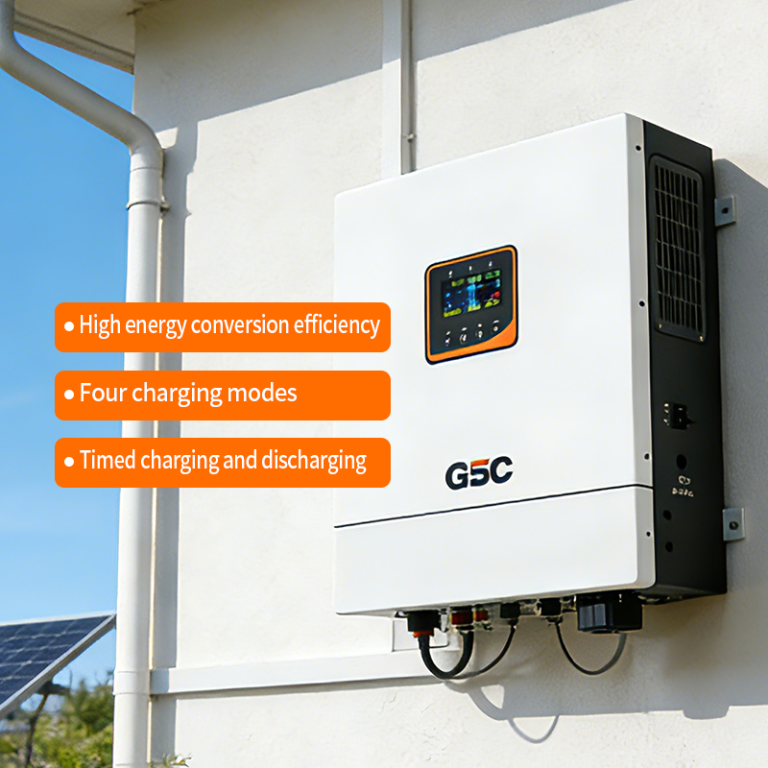
Understanding the core problem: safety standards vs market realities
Many contractors in Vietnam and neighbouring markets find the paperwork and testing for a pv inverter hybrid more painful than the install itself. The core issue is simple: UL 1973 and CE target different hazards and markets. UL 1973 focuses on battery and inverter safety for stationary applications, while CE confirms conformity with EU directives such as Low Voltage and EMC. For every procurement decision you make, remember the equipment also needs to meet practical site criteria like grid-tie compatibility and islanding protection — otherwise the system will underperform or fail local inspection.
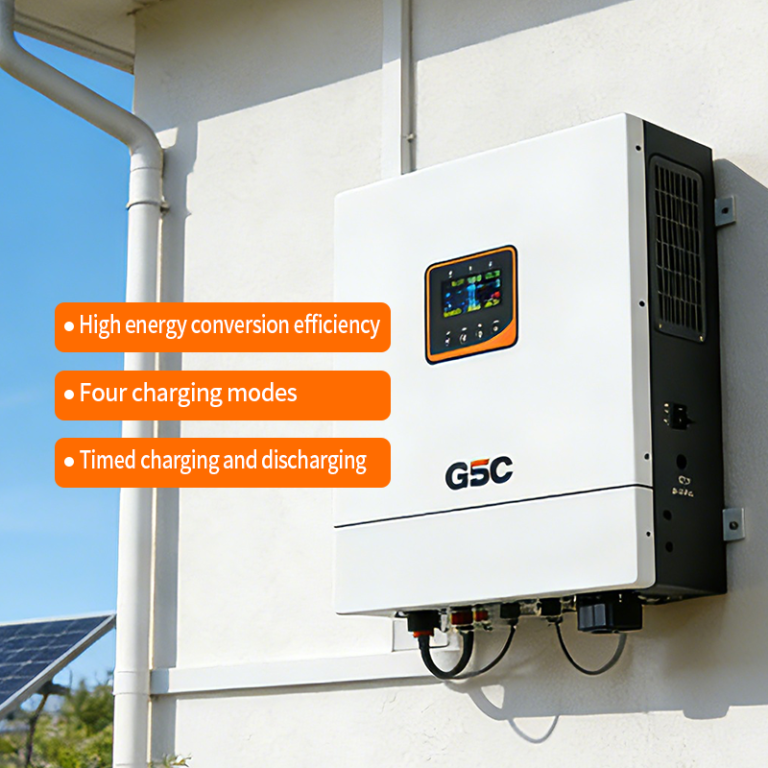
Key compliance elements contractors must know
Start with documented test reports and Type Examination Certificates. UL 1973 addresses battery safety, thermal runaway considerations, and BMS interactions; CE touches on electromagnetic compatibility (EMC), electrical safety, and often RoHS for component materials. Make sure the inverter’s datasheet lists supported PV array configurations, nominal AC output, and anti-islanding behaviour. Labeling and traceability are critical — suppliers should provide serial-numbered test results and a Bill of Materials that match the shipped unit.
Common export/import pitfalls and how to avoid them
Contractors often import to meet cost or lead-time goals, but several mistakes are frequent: relying on vendor claims without certificates, ignoring country-specific grid codes, and underestimating transport-related damage to battery packs. A practical mitigation is to request factory acceptance testing (FAT) evidence and witness videos for critical tests. Mind you, FAT alone doesn’t replace accredited lab reports — they complement each other. Also confirm packaging meets UN transport rules for batteries if shipment includes energy storage.
Real-world anchor: lessons from Europe’s transition
Germany’s Energiewende showed how quickly grid requirements evolve when distributed PV scales up. As more homes tied hybrid inverters into the network, grid operators tightened EMC and anti-islanding rules, prompting retrofits and re-certifications. That shift is a useful anchor for contractors: expect standards to tighten after mass deployment. Keep firmware upgrade paths and remote monitoring in procurement specs so units can adapt without costly hardware swaps.
Practical checklist before purchase or import
Use this concise checklist on every RFQ: 1) UL 1973 or equivalent battery safety report; 2) CE Declaration plus EMC test logs; 3) AC coupling and grid-tie compatibility statement; 4) BMS interface documentation and thermal management data; 5) Shipping compliance for batteries. Inspect warranty language for exclusions tied to non-compliant installations. If a local inspector flags harmonics or grounding issues, you’ll want documented test margins — not a vendor’s optimistic spec sheet.
Common technical terms to confirm with suppliers
Ask suppliers to clarify inverter topology (string vs. central), maximum continuous AC output, total harmonic distortion (THD), and what anti-islanding method they implement. Technical terms are useful only when paired with measured data. Request sample logs or test waveforms to verify claims — live numbers beat glossy brochures.
Advisory: three golden rules for making the right choice
1) Certs first, samples second — insist on accredited lab reports before placing a large order. 2) Firmware & support matter — choose units with field-upgradeable firmware and reachable technical support, so grid-code tweaks don’t become capex surprises. 3) Match system design to the certificate scope — a UL-certified battery module might be fine alone, but the combined inverter-battery set must be approved for the intended configuration.
For measurable procurement confidence, expect reduced commissioning days, fewer site modifications, and cleaner inspections when these rules are followed. The right documentation trims risk and cost at handover.
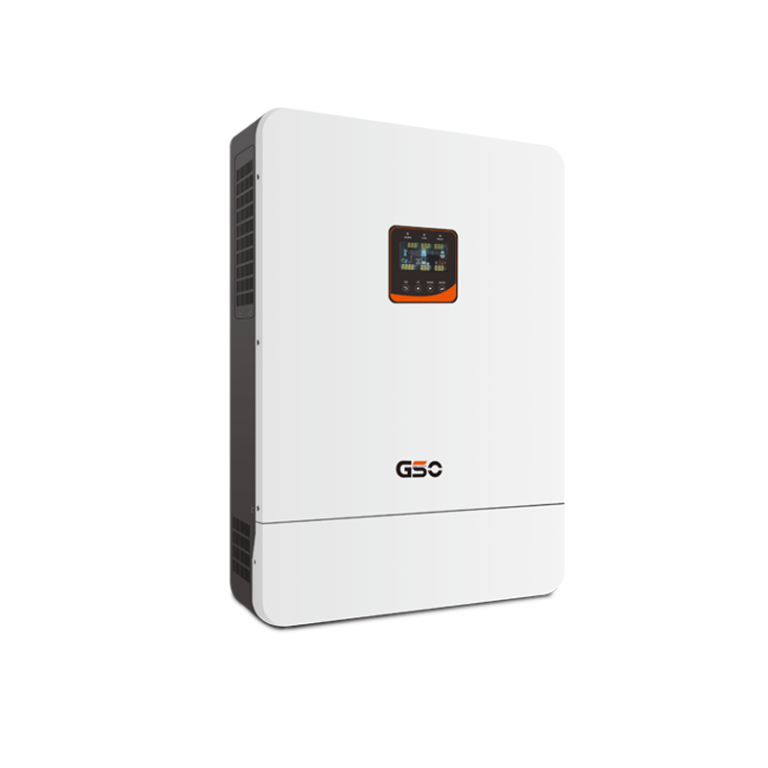
gsopower — a partner that aligns product capability with certificate scope and field support, making compliance less of a gamble.
–