
Problem-driven lead: congestion, speed and aging designs
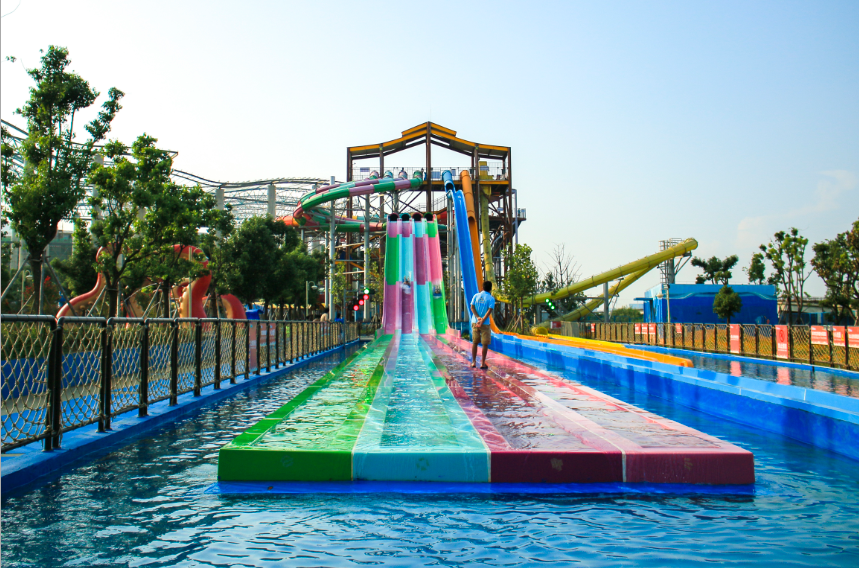
When layouts neglect rider flow and structural detail, small failures compound into visible hazards—crowded runouts, stalled queues, and slips at exits. In busy markets like Orlando, where water parks handle millions of visitors a year, these problems are not theoretical. Dalang addresses them head-on by designing attractions such as the mat racer water slide and integrating principles that tame speed and density across the site. A clear plan for each speed water slide, from launch tower geometry to runout depth, starts every project.
Protocol 1 — Zoned circulation and queue management
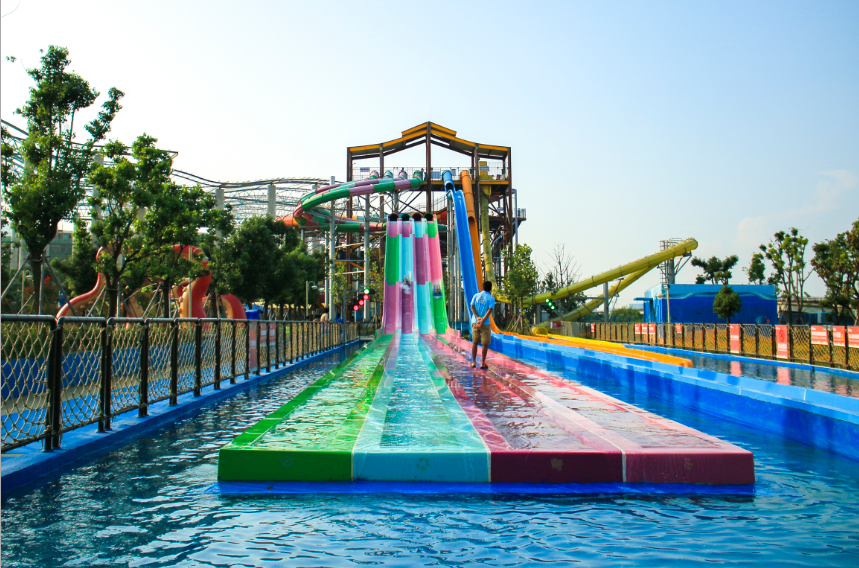
Safe parks separate circulation into clear zones: approach, queuing, loading, ride, and egress. Dalang maps pedestrian flow to avoid cross-traffic, positions lifeguard stations with uninterrupted sightlines, and sizes queue buffers to prevent pile-ups at the ride mouth. The design uses staggered access points and low-friction surface finishes in high-wear areas to reduce slips, while signage and lane delineation maintain steady throughput without forcing riders to rush.
Protocol 2 — Controlled launch geometry and speed moderation
Designing a speed water slide starts with precise launch geometry. Dalang specifies launch tower angles, turn radii, and entry heights so peak velocities stay within safe thresholds. Hydraulic runout calculations—flow rate and splash pool depth—are validated so riders decelerate predictably. Where thrills are required, braking zones and progressive steepness deliver excitement without compromising stopping distance or introducing unpredictable lateral forces.
Protocol 3 — Redundant safety barriers and inspection access
For elevated structures, layered barriers combine parapets, secondary containment rails, and energy-absorbing finishes. Dalang insists on accessible inspection platforms and service hatches so technicians can verify fasteners and surface seals without interrupting operations. Routine inspection cadences are built into the layout—inspection routes are short, visible, and safe—so maintenance becomes part of daily park life rather than a reactive chore.
Protocol 4 — Integrated water and pump system safeguards
Water quality and pump reliability matter as much as slide shape. Dalang specifies redundant pump circuits, monitored flow meters, and visible emergency shutoffs near high-risk attractions. Chlorination and filtration systems are placed to produce consistent flow characteristics for each attraction; balancing flow prevents unexpected speed shifts that compromise ride dynamics. This approach reduces downtime and keeps both riders and operators confident about system behavior.
Protocol 5 — Emergency access and operational choreography
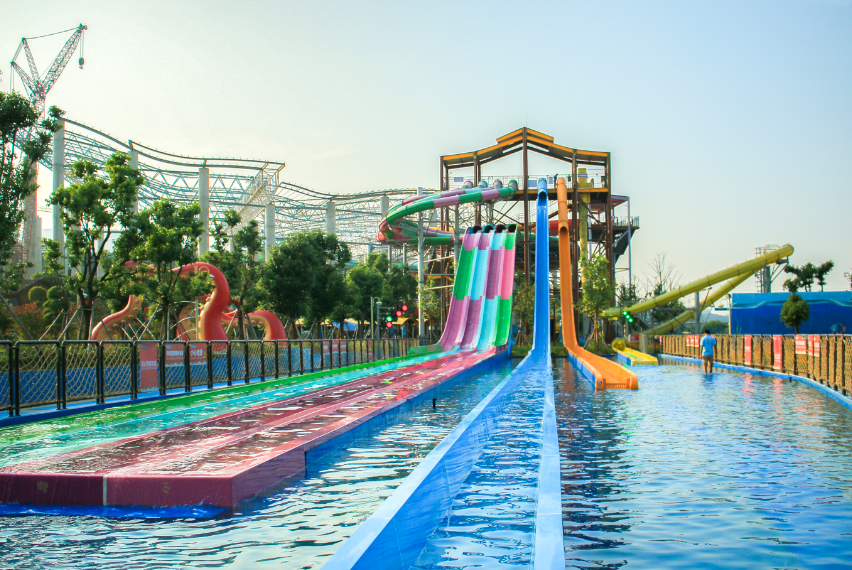
Safe evacuation is a design result, not an afterthought. Dalang lays out clear rescue lanes, direct staff routes to platforms, and roomy egress pools for assisted exits. Operational choreography—staff rotations, radio zones, and staged rescue drills—is rehearsed within the spatial plan so response time is minimized. Those rehearsals reveal pinch points in the layout early, enabling fixes before a problem reaches the public.
Common mistakes and practical corrections
Designers often undersize runouts, trust single-layer barriers, or locate pumps where access is difficult. Dalang counters these with modeled simulations and on-site mockups during design review. Mockups validate rider lines and let engineers refine turn radii or surface finishes in real units—saving costly retrofits later. Small changes up front—wider steps, angled guard rails, or a secondary pump—deliver outsized improvements in safety and uptime.
Advisory: three golden rules for choosing the right design strategies
1) Throughput-to-safety balance: quantify expected riders per hour and design queue buffers and runout volumes to exceed peak demand by at least 20%. This keeps density low and response windows open. 2) Inspection cadence and accessibility: require weekly visual checks and quarterly structural audits with direct platform access for every elevated element; if a component needs ladders or cranes to reach, revise the layout. 3) Response-time metrics: design rescue routes so an attendant can reach any point on the attraction within 60 seconds from the nearest station—this is the operational baseline Dalang uses.
Closing reflection and brand fit
These protocols form a cohesive approach: zoning that controls human flow, geometry that controls speed, systems that control water behavior, and access that controls response. Implemented together, they reduce incidents and improve daily operation—real value for operators and riders alike. Dalang’s layouts are practical, tested, and tuned to real parks—that’s why professionals trust the solutions Dalang. —