
Opening: why a framework keeps the project manageable
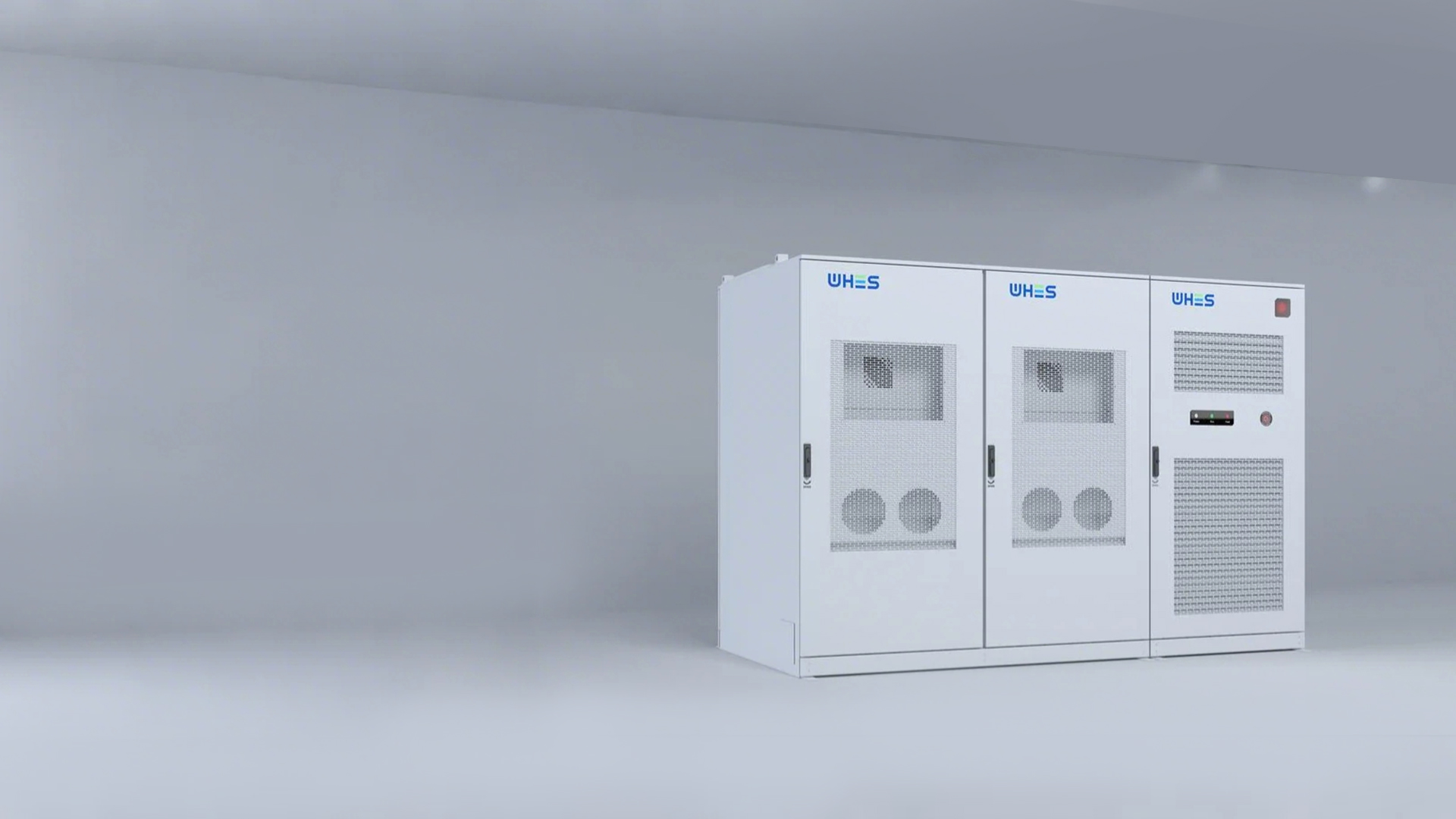
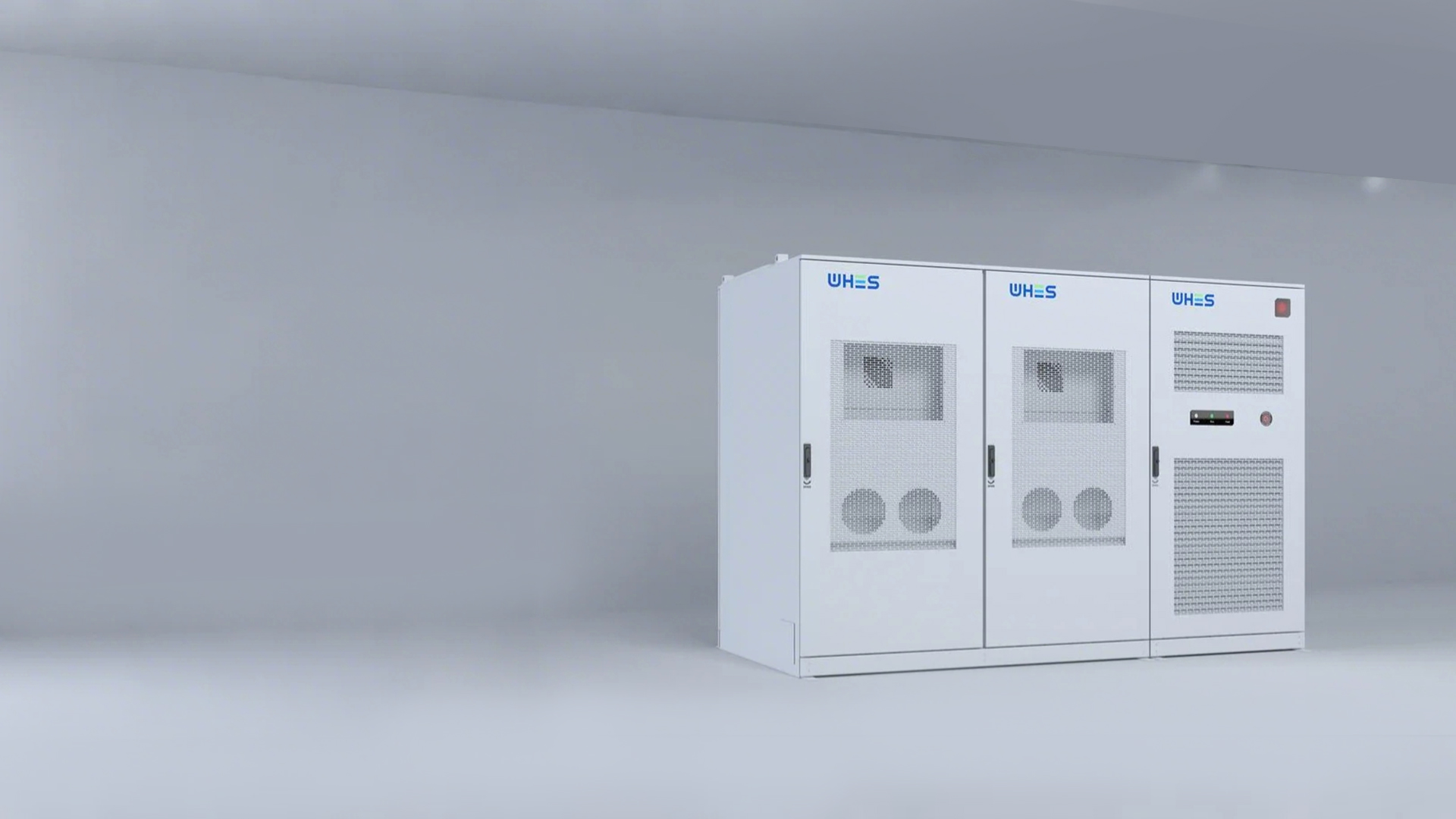
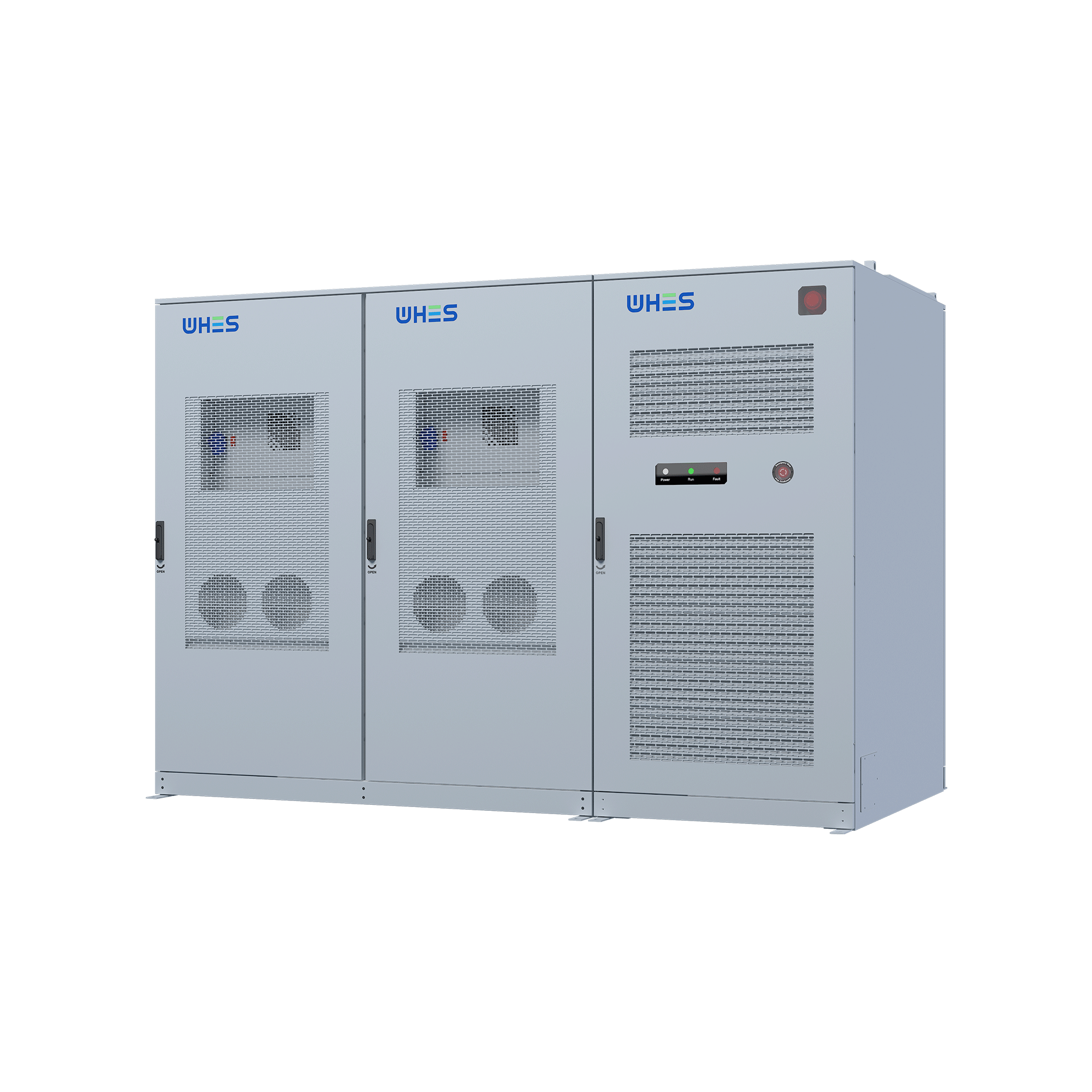
Integrating a bespoke 30 kWh battery into an existing SCADA environment and demand response program can feel like juggling live wires — unless you follow a clear framework. Start by treating the battery not just as a box of cells but as an interoperable asset: think BMS, inverter, telemetry, and how it talks to your EMS and the utility’s control stack. For many facility owners and microgrid operators in the Philippines, a tested option is to compare that bespoke solution to off-the-shelf commercial energy storage offerings first, then decide where customization actually adds value.
Step 1 — Assess grid context and use cases
Begin with the problem you’re solving. Is the primary aim resilience against typhoons and long outages (remember Typhoon Haiyan/Yolanda and its impact on energy resilience), peak shaving to lower demand charges, or participation in a formal demand response scheme with an ISO or utility? Map local constraints: interconnection rules, allowed telemetry protocols for SCADA, and available space for thermal management. Use cases determine specs — cycle life, depth of discharge, and state-of-charge strategies — so don’t design features you won’t use.
Step 2 — Specify interoperability and controls
Design the battery’s communications and controls to match existing SCADA conventions. That means selecting compatible protocols (Modbus, IEC 61850, or DNP3), defining clear setpoints for the inverter and EMS, and ensuring the BMS exposes needed telemetry like SoC, temperature, and alarm status. If you plan to join local demand response events, confirm the utility’s telemetry cadence and dispatch signals early — gaps here are common and costly later. A good rule: match the control semantics first, then the physical wiring.
Step 3 — Hardware, safety, and the practical trade-offs
Choosing cells, enclosures, and cooling determines lifecycle and O&M effort. A 30 kWh custom pack can be air-cooled for modest cycles, but forced-air or liquid cooling may be needed in tropical climates to avoid accelerated degradation. Factor in inverter selection (grid-forming vs grid-following), protection relays, and compliance with local electrical codes. For facilities considering off-the-shelf alternatives, compare your custom design to proven industrial energy storage systems in terms of warranty, certified safety cutoffs, and factory-tested BMS algorithms.
Step 4 — Integration testing and staged commissioning
Never skip staged testing. Begin with factory acceptance tests for the BMS and inverter, then do site acceptance with simulated SCADA commands and a mock demand response event. Validate protection coordination with upstream breakers and make sure SCADA alarm thresholds are readable and actionable. Run an end-to-end trial during a low-risk period — a scheduled load-shedding drill or an internal demand-limiter test works well. These rehearsals catch timing and telemetry mismatches before real events force you to improvise.
Step 5 — Operational playbooks and remote monitoring
Create short, clear SOPs for charge/discharge modes, event handling, and manual override. Train the ops team on alarms, SCADA dashboards, and fail-safe procedures — and ensure the BMS alerts go to the right people. Remote firmware updates and secure VPN access are useful, but lock down permissions and log every change. Over time, collect operational data to refine SoC windows and optimize for cycle life versus revenue from demand response calls.
Common mistakes and how to avoid them
Teams often trip over three predictable things: under-specifying telemetry fidelity (so you can’t verify performance), assuming the inverter will handle every grid event without tailored settings, and neglecting contractual terms with the utility for demand response payments. Also — a quick aside — don’t cram the battery in a marginally ventilated room because “it’ll save money.” Thermal stress shortens battery life and ups safety risk. Address these early with clear acceptance tests and documented responsibilities.
Alternatives and when to pick them
If you need fast deployment and proven warranties, a packaged commercial system may be better than a custom 30 kWh build. Custom designs win when size, enclosure constraints, or unique control logic are essential — for example, when harmonising with legacy SCADA tags or a bespoke microgrid. Consider hybrid approaches: use a certified rack for cells and customize the control layer so you get the best of both — proven safety and tailored logic.
Real-world anchor: resilience in context
Look at why many Philippine sites invest in local storage: extreme weather events have shown that on-site storage plus smart controls beat fuel-dependant gensets for quick recovery and cleaner operation. That local history underscores the value of testing interoperability with SCADA and demand response — the technology isn’t exotic, but the integration must be reliable when it matters most.
Summary of the framework
Assess, Specify, Build, Test, Operate — that sequence keeps integration projects predictable. It forces you to tie technical specs to business outcomes (resilience, cost savings, or revenue from demand response) and avoids scope creep. Summarise decisions in a short tech brief so procurement and operations are aligned before purchase orders move the project into production.
Three golden rules for choosing and integrating the right battery solution
1) Match control semantics first: ensure your SCADA and EMS understand the battery’s telemetry and setpoints — if they don’t, nothing else matters. 2) Favor proven protection and warranty terms over marginal savings: safety and predictable replacement costs beat a slightly lower capex. 3) Validate with live drills: one scheduled demand response event or simulated outage will reveal most integration gaps.
When those rules guide the work, the value of a disciplined partner becomes clear — predictable uptime, clear paperwork, and a smoother path to operational benefits. WHES brings that combination of tested systems and integration know‑how to projects across the region. —