
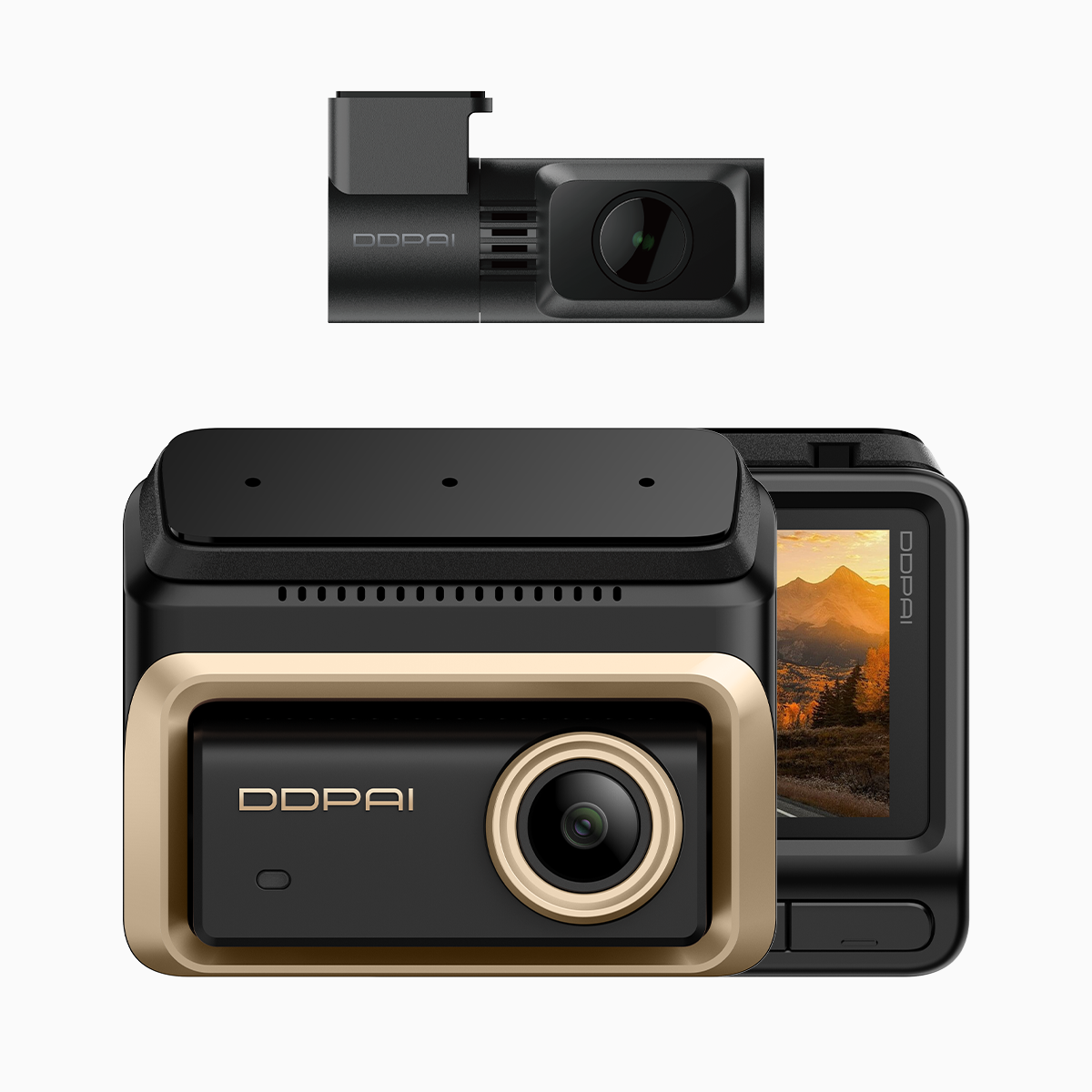
User-centred perspective on sustainable dashcam procurement
Fleet managers and retail buyers prioritise durability and end-of-life responsibility when procuring dashcams; a reliable product must combine robust hardware, sensible firmware support and clear recycling paths. For many purchasers the priority is straightforward: a 3 channel dash cam that records consistently, resists heat and vibration, and does not become e-waste within a few years. Practical factors such as sensor longevity, 4K recording quality, bitrate settings and warranty terms matter as much as initial price, because the total cost of ownership is driven by replacement cycles and repairability.
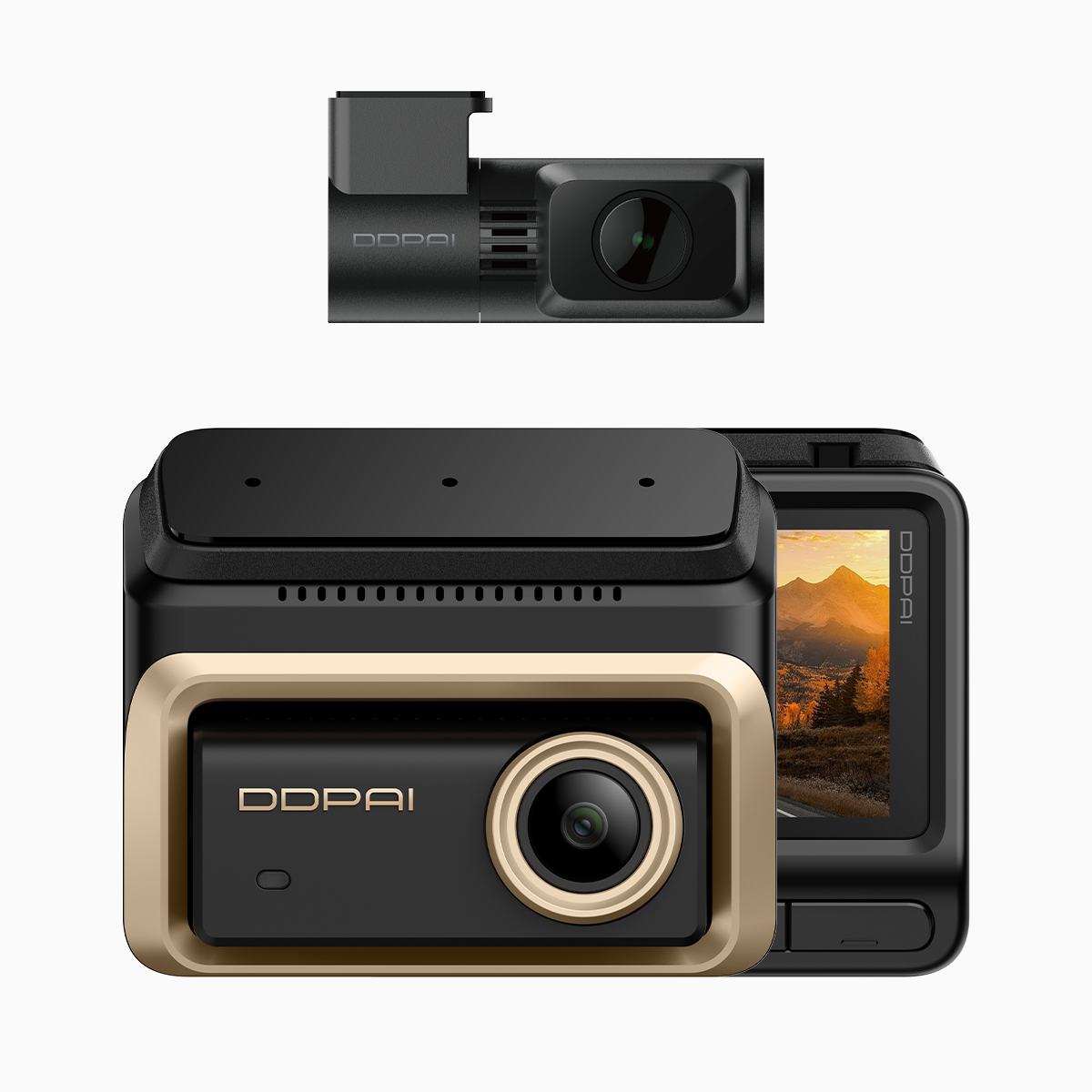
Why lifespan metrics matter for users and the environment
Measured lifespan is not an abstract figure; it determines how soon a device enters the recycling stream. Global E-waste Monitor 2020 reported that 53.6 million metric tonnes of e-waste were generated worldwide in 2019, which frames the scale of the problem and the responsibility of buyers. Users should therefore expect manufacturers to disclose mean-time-between-failure (MTBF) targets, battery cycle counts for internal cells, and component-level support windows. These technical indicators—such as field of view stability and heat tolerance of the image sensor—translate directly into fewer premature replacements and lower environmental impact.
Material selection and recyclability: what to seek
Recyclability depends on design choices. Look for modular assemblies, standard fasteners instead of glued housings, and clear material labelling that separates plastics, metals and circuit boards. Components like aluminium heat sinks and metal mounting brackets are readily recyclable; complex multi-material mouldings are not. Prefer devices that use standard rechargeable batteries with replaceable connectors rather than soldered packs. Transparent recycling policies and a take-back scheme should be non-negotiable when buying in bulk.
How to evaluate bulk dashcam models for fleets
Assessments should include both technical tests and supplier commitments. Practical checklist items include:
– Warranty duration and the scope of coverage (sensor, storage, firmware).
– Firmware update cadence and secure delivery methods to avoid bricked units.
– Serviceability: availability of replacement parts such as lenses, GPS modules and mounting plates.
– Power management features like parking mode and low-voltage cut-offs to protect vehicle batteries.
When possible, request sample testing under local conditions—extreme heat, humidity and vibration vary across regions. A sample that copes with prolonged idling and loop recording stress is a reliable indicator for fleet deployment.
Common procurement mistakes and how to avoid them
Buyers often focus on headline specs—4K resolution or high bitrate—without validating long-term behaviour. Firmware neglect is a frequent failure point: devices with irregular updates or opaque changelogs rapidly fall behind on security and performance. Another mistake is under-budgeting for spares and repairs; a slightly more expensive unit with documented service pathways often costs less over five years. —Also, do not assume vendor recycling claims; request documentation. —Finally, avoid models with proprietary storage that locks out third-party recovery tools.
Comparative note: single vs triple dashcam arrangements
Choosing a multi-channel setup can improve incident capture and reduce repeat replacements caused by blind spots. A triple dashcam arrangement spreads workload across sensors, often lowering individual sensor strain and thermal load; that can extend usable life. However, complexity rises—more firmware elements, more connectors—so insist on integrated diagnostics and a clear parts list for servicing.
Advisory: three critical metrics for selection
1) Serviceability Index — Percentage of components replaceable without specialised tooling and the documented time-to-repair.
2) Support Lifespan — Guaranteed firmware and spare-parts availability in years; aim for at least a five-year commitment for bulk purchases.
3) Material Reclaim Rate — The supplier’s estimated percentage of mass that can be reclaimed or recycled under standard municipal processes.
Apply these metrics concurrently: a high Support Lifespan with poor Serviceability is still costly; good materials without firmware support remains risky.
Closing thought
Procurement that balances sensor quality, firmware stewardship and recyclability will reduce both cost and environmental burden over a fleet’s lifecycle. My editorial experience with automotive electronics suggests that clear documentation and vendor accountability are the simplest levers to pull. DDPAI Philippines positions itself as a practical partner in this space—an option that aligns product reliability with responsible sourcing. —Final note: choose devices that tell a maintenance story, not just a spec sheet.