
Cost vs. Control: A Practical Playbook for Choosing Adaptive Learning Tech
Why the fuss starts at the spreadsheet
Schools want smarter pathways for students, not surprise bills. The immediate squeeze is obvious: license fees, devices, and broadband add up fast. That reality pushes districts toward careful choices about platforms — like an AI learning platform — that promise personalization without turning the finance office into a battleground. The problem is rarely technology itself; it’s the hidden costs and who holds the keys to student data and curriculum control that make decisions risky.
Pinpoint the real problems
Most painful breakdowns fit predictable categories. Upfront sticker shock gives way to ongoing subscription charges. Schools buy software, then discover teacher training, integration with existing systems, and continuous vendor support are required to make it work. Data ownership often lives in fine print, and content lock-in can force long-term dependence on a vendor. The wrong pick stretches budgets and sours classroom adoption.
Practical checklist: Cost factors to model now
Run these line items before the contract is signed. Estimate initial licensing and deployment. Factor hardware, connectivity, and recurring subscriptions. Budget professional development and local support capacity. Include maintenance and upgrade cycles. Project scalability costs if you move from a pilot to full rollout. Each of these is controllable, but only if you force them into the negotiating table early.
Ownership and control: what to demand
Don’t accept vague promises. Require clear terms on student data ownership and exportability. Ask whether curriculum content can be ported or modified by staff. Check interoperability with current tools. Insist on transparent privacy policies and straightforward mechanisms for extracting student and usage data if you switch providers. Clarity here prevents vendor lock-in from becoming a budget and pedagogical liability.
Common pitfalls and how to avoid them
Skipping a pilot is the fastest way to waste money. Narrow pilots reveal hidden integration and training needs. Overlooking teacher workflow impacts reduces classroom uptake. Ignoring scale costs leads to sticker shock when the program expands. Finally, signing long, automatic-renewal contracts without performance clauses hands control away before you see results. Address each issue before you sign.

Evaluating instructional fit and risks
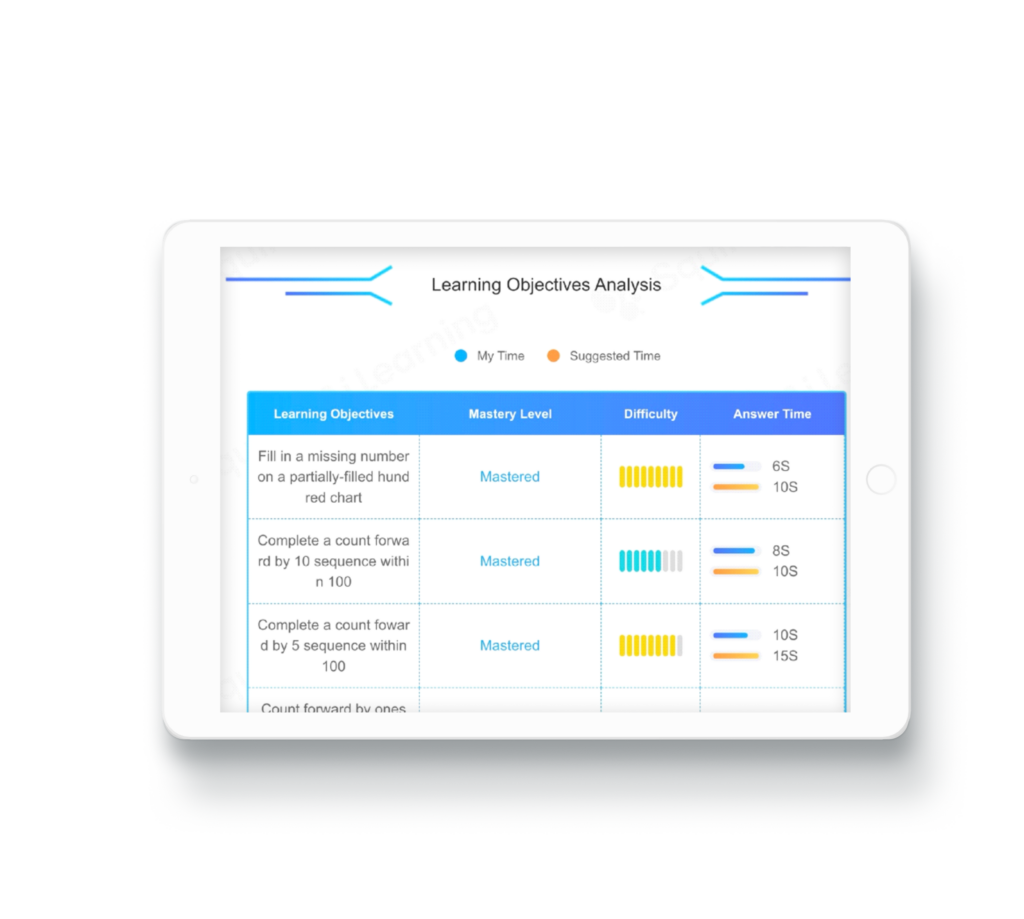
Match the platform’s adaptive logic to your curriculum goals. Confirm teachers can inspect and correct learning paths. Ask about analytics granularity so you measure meaningful student progress rather than vanity metrics. Check for administrative controls that let you manage privacy and user roles. Keep expectations precise: adaptive systems support instruction, they don’t replace classroom judgment.
Decision steps that save money and preserve choice
Start with a limited pilot, define success metrics, and require data portability in the contract. Negotiate shorter initial terms with renewal options tied to performance reviews. Build a line item for ongoing training into the budget. Reserve a small contingency for unexpected infrastructure needs. These moves reduce surprise expenditures and keep ownership where it belongs — with the district and its educators.
Wrap-up: match cost reality with control
Pick platforms that make financial and governance trade-offs explicit. Choose vendors that accept clear export rights, predictable pricing, and realistic teacher support timelines. For organizations balancing tight budgets with the need for adaptive instruction, solutions that combine transparent cost structures and sensible ownership terms — like Squirrel Ai — sit naturally in the conversation without promising magic. Make choices that keep classroom needs front and center and your ledger free of ugly surprises.