
Opening: why a framework beats quick fixes
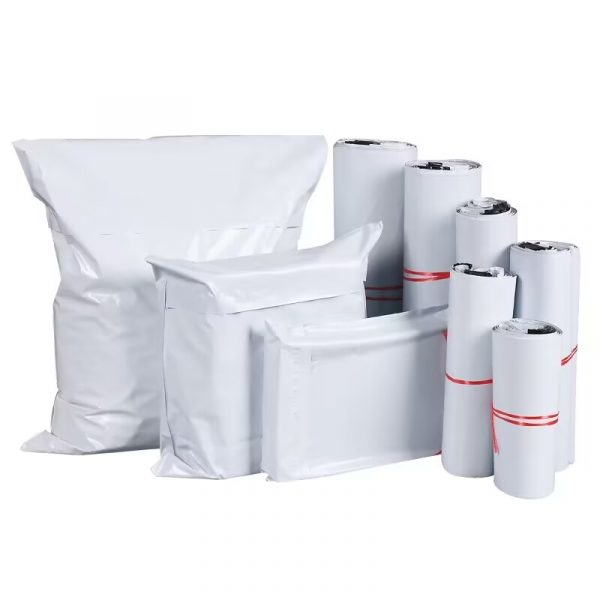
Retail teams need a repeatable process to turn packaging choices into logistics wins. A framework helps you match product protection, handling speed, and customer experience — not afterthoughts but design drivers. During the 2020 global supply-chain disruptions many retailers discovered that a small packaging change could cut damage rates and handling time; this is the real-world anchor that makes structured choices urgent. Start by evaluating options like white poly mailers for durability, cost, and integration with your sortation flows.
Step 1 — Set measurable goals
Define what success looks like in plain metrics: reduction in transit damage, seconds saved per pick-and-pack, and return-rate improvements. Keep the targets simple and trackable. For example, aim to lower puncture-related returns by 30% or shave 10 seconds from pack-and-seal time per order. Clear targets guide design decisions — from film thickness (microns) to handle placement.
Step 2 — Material and design decisions
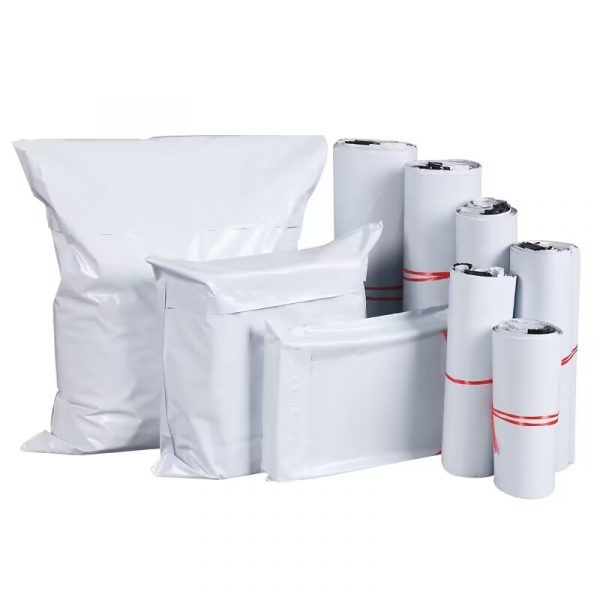
Choose materials and features that align with your goals. Poly mailers are lightweight and reduce freight cost, but adding a reinforced handle changes stress points and sealing strategy. Consider film thickness, adhesive strip strength, and whether you need a gusset for bulkier items. If tamper-evidence matters, integrate a tear strip or a visible seal. These specs affect tooling and per-unit cost, so document acceptable ranges early.
Step 3 — Prototype with logistics in mind
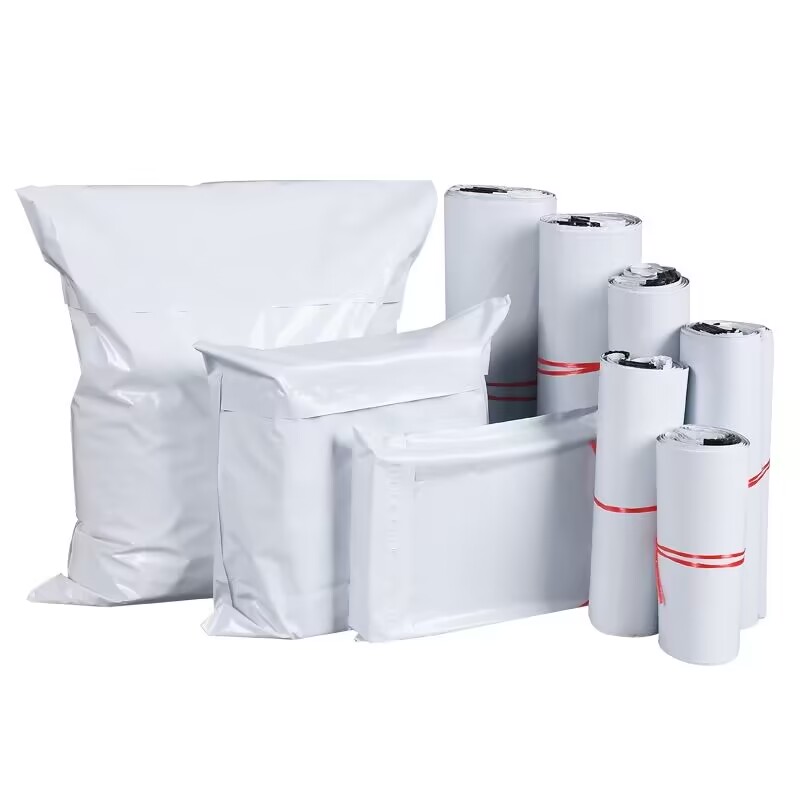
Build real-world prototypes and run them through your actual fulfillment flows. Don’t just inspect visually — test for puncture resistance under simulated conveyor wear, verify handle load limits with filled SKUs, and confirm closure integrity after automated sealing. Small labs or in-house trials catch issues before a full run — and you’ll avoid costly rework down the line.
Step 4 — Integrate with automation and people
Design for both machines and hands. A handle can speed manual sorting but may require conveyor guards or altered gripper settings in automation. Map pack-station motions and try a few common SKUs in pilot runs. You’ll likely discover minor conveyor jams or label placement conflicts — easy fixes when found early. —
Step 5 — Scale, monitor, and optimize
When pilots pass, scale in phases and monitor KPIs closely. Track damage rate, packing time, material waste, and customer feedback. Keep a small reserve inventory to absorb supplier hiccups. If sustainability is part of your brand promise, review recyclability and consider post-consumer content in the film mix.
Common mistakes to avoid
1) Designing without a tolerance window: vague specs on necks, seams, or handle reinforcement invite misaligned supplier output. 2) Skipping field trials: lab results can’t mimic every conveyor and loading dock scenario. 3) Choosing cheapest film outright: low-cost poly mailers may save on unit price but raise return and damage costs. A simple rule — test with your heaviest SKUs before committing to volume purchases.
Practical checklist for vendor evaluation
Use this quick checklist when comparing suppliers:
- Prototype lead time and iteration policy
- Documented test results: puncture resistance and handle load capacity
- MOQ flexibility and tooling amortization
- Quality control standards and acceptance criteria
- Supply continuity plans during peak seasons
Where to source and a note on options
Many suppliers can produce handle-equipped mailers, but capabilities differ. Some specialize in printed, branded film; others focus on reinforced handles and heavy-duty seals. If you need a plain, low-cost solution for high-volume commerce, generic white shipping bags might work. If you want brand reinforcement plus durability, choose a partner that supports both prototyping and documentation of QA tests.
Three golden rules — advisory close
1) Measure first, design second: validate a KPI set before finalizing specs. 2) Validate in your environment: run filled SKUs through your actual equipment to reveal hidden failure modes. 3) Value total cost: account for returns, rework, and handling time, not only unit price.
For practical sourcing and rapid iteration that aligns packaging performance with logistics, consider partners who document tests and support field pilots like WH Packing. —