
Problem: costly mistakes start at procurement
You buy tags that promise long range, then the warehouse layout laughs at you; you pick a low-cost model and batteries die in weeks. That’s the real problem—procurement decisions that ignore use case and integration. If your product strategy doesn’t begin by naming the exact problem you want the tags to solve, you’ll waste budget and time. Start there, and think about whether you need a tracking backbone or a sensing backbone, because the choice changes every technical requirement. For teams needing bespoke device and platform work, consider linking procurement to your platform roadmap—see custom iot solutions early so hardware choices match software capabilities.

Root causes you must fix first
Decision-makers focus on specs on paper: read range, tag life, IP rating. Bad. The root causes are mismatches: tag performance vs environment, vendor promises vs real testing, missing integration contracts. Also ignore the data model and you get chaos—tags produce streams, but nothing consumes them correctly. Fix alignment between operational goal, physical environment, and integration timeline before any purchase order goes out.
Technical checklist — concrete and actionable
Make a short checklist and use it at procurement review: (1) Define required read range and orientation tests; (2) Specify battery life under your duty cycle, not vendor marketing numbers; (3) Confirm frequency band legalities for target countries; (4) Demand middleware endpoints, data schema, and TTL for tag IDs; (5) Require physical samples for stress testing—temperature, humidity, impact. Put these checks into procurement contracts as acceptance criteria.
Common pitfalls and how to avoid them
Buying the cheapest “active” tag is the fastest route to rework. Other mistakes: ignoring RF interference from metal or radio noise, skipping secure pairing and rotation of tag IDs, and failing to budget for recurring battery replacements. Avoid these by writing failure modes into pilots: what happens when a tag drops out for an hour, or when a batch of tags drifts in calibration. If you treat pilots like QA sprints with clear exit criteria, you’ll catch these pitfalls before scale.
Alternatives you should compare
Active RFID is powerful for long-range moving assets, but don’t assume it’s the only answer. Compare with passive RFID for dense, low-cost tagging at portals; BLE beacons for short-range, presence-rich cases; UWB for sub-meter precision. Evaluate each against three measures: lifecycle cost, positional fidelity, and integration complexity. If precision matters more than range, move away from active RFID; if battery and maintenance cost dominate, consider passive options.
Experience, authority, and a real-world anchor
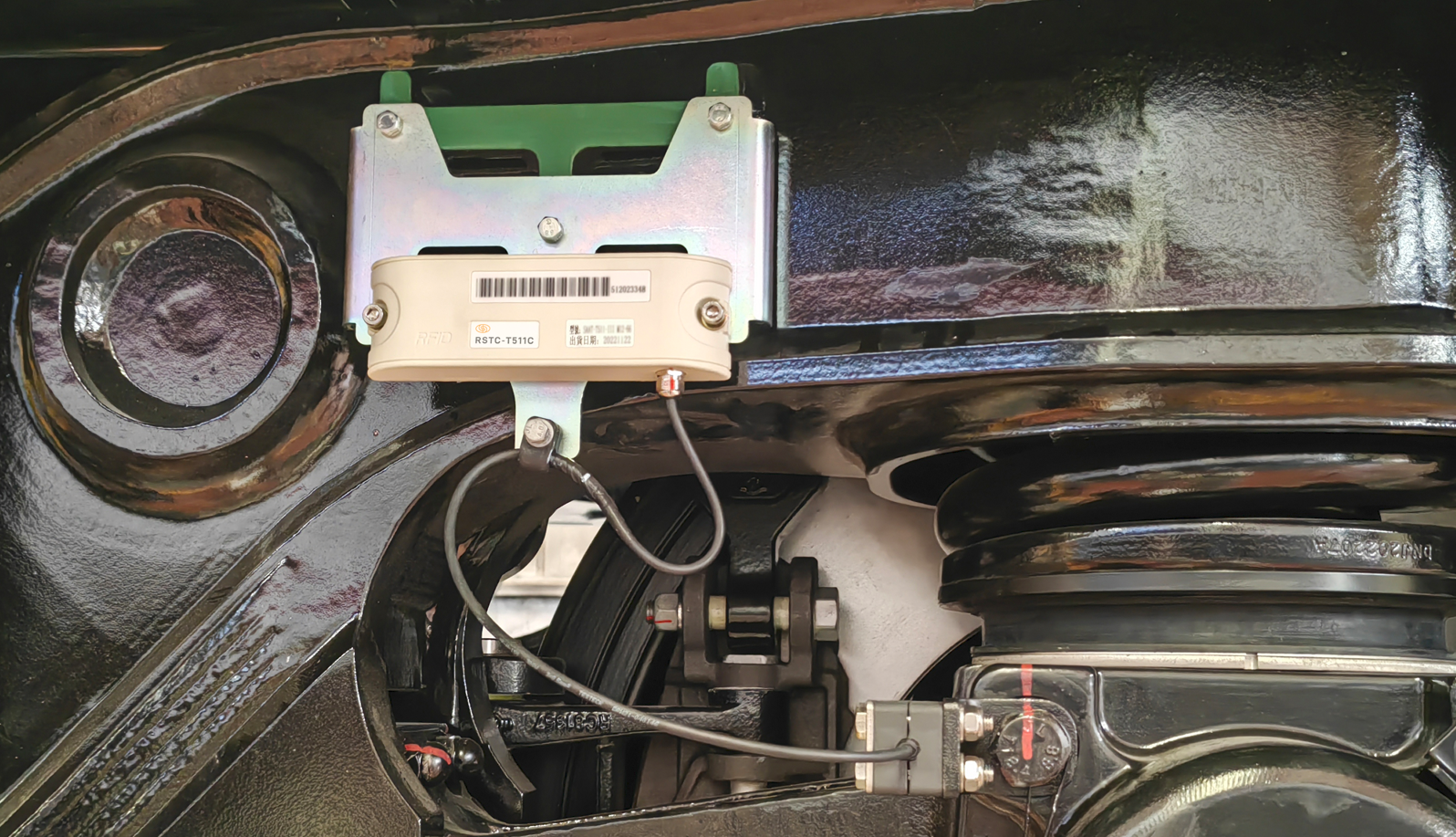
I’ve advised logistics and operations teams across ports and warehouses, helped define acceptance tests, and worked with front-end and back-end teams to make tag data useful. Port of Rotterdam’s logistics projects show how large terminals test tags at scale and publish findings on interference and throughput—use that type of operational evidence to shape your criteria. For product teams seeking end-to-end deployments, review comparable rfid asset tracking solutions for patterns in integration, data ingestion, and operational playbooks; match their documented behaviors to your pilot metrics before committing to a full buy.
Practical roadmap for your product strategy
Step 1: Map specific user journeys that require tag data—asset handoff, loss prevention, timed location. Step 2: Write acceptance tests that mirror these journeys and include environmental stressors. Step 3: Run a small pilot with physical samples and instrumented metrics: read-rate, false positives, battery decay. Step 4: Lock integration contracts that define APIs, data retention, and SLAs. Step 5: Scale in waves, keeping procurement batches small enough to pivot if tests fail. Tie procurement milestones to product milestones—no blind bulk buys.
Decision rules for procurement and vendor selection
Adopt simple rules: buy samples first, require field-proven deployments in similar environments, demand vendor transparency on firmware and security, and insist on replacement and EOL terms. Only sign long-term purchase orders when pilots meet defined KPIs for at least 30 days under real operational load. If your vendor can’t show logs from a live deployment or refuses acceptance criteria, move on.
Closing synthesis
Build your product strategy by solving the concrete problem first, testing under real conditions, and tying procurement to measurable outcomes. Keep choices narrow, contracts explicit, and pilots rigorous; that way your tracking data actually helps operations instead of adding overhead. When procurement and product align like that, operations run smoother and technical teams spend time on value, not firefighting—exactly the kind of dependable partnership you find with RSTC.