
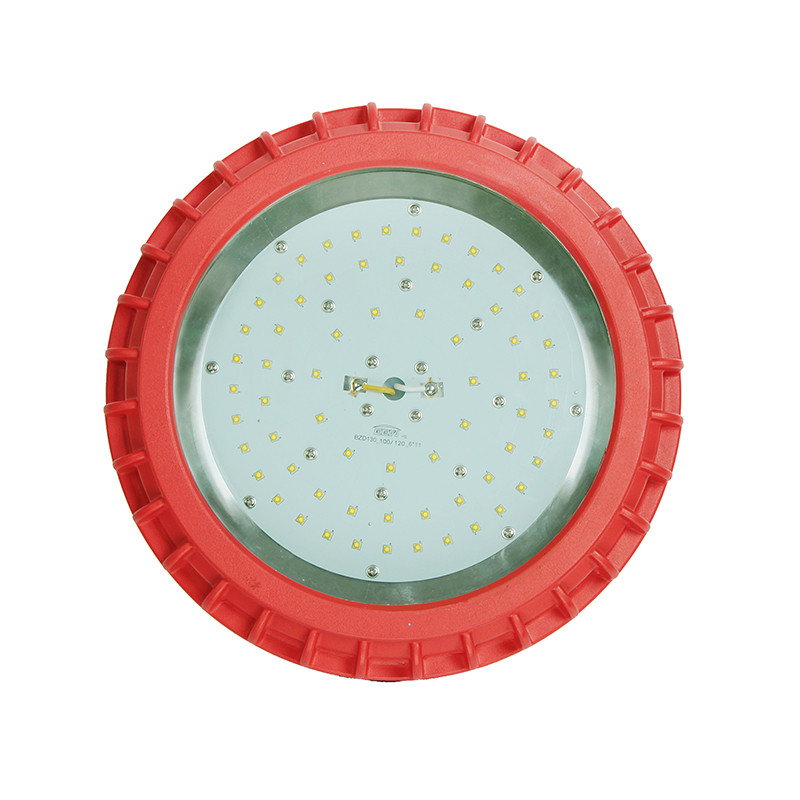
What to Ask When Procuring Explosion‑Proof Lighting and Junction Solutions
Lead concerns that trigger procurement reviews
Procurement teams and project managers regularly confront supply ambiguity, mismatched expectations, and coordination gaps when a project requires specialized equipment such as explosion proof led. These pressures show up as unclear documentation from tender to delivery, uncertainty about who verifies product conformity on site, and difficulty reconciling commercial terms with operational constraints. Frame those issues as problems to solve before signing contracts.

Core questions to ask suppliers and qualified engineers
Which exact documents and certificates will you provide to demonstrate compliance for the intended application? Who accepts responsibility for documenting product selection decisions for the project record? What are realistic manufacturing and delivery lead times for the specified items, and how are those lead times guaranteed contractually? Which spare parts and consumables should be procured up front for lifecycle continuity, and what are associated lead times? How will changes to scope, substitution requests, or delayed deliveries be managed between supplier, engineer, and contractor? Ask your qualified engineer to vet technical responses rather than treating commercial assurances as technical validation.
How to coordinate internal and external stakeholders
Assign a single point of contact to manage supplier communications and another to manage engineering verification; require a shared schedule that aligns procurement milestones with site readiness. Establish a decision log that records who approved product substitutions and why. Confirm who is responsible for assembling as‑built documentation and handing over manufacturer documentation to operations. Use contract clauses to clarify escalation paths for disagreements about product fit or delivery performance.
Evaluating vendors beyond product specifications
Compare supplier track records for on-time delivery, traceable documentation, and clarity of warranty terms. Request examples of project references and ask how disputes over product interpretation were resolved. Review supply‑continuity capabilities and ask about alternative sourcing commitments should a primary vendor face disruption. When reviewing product literature and vendor catalogs, include objective comparisons such as those for explosion proof lighting fixtures, but have a qualified engineer confirm suitability for your specific application.
Commercial and contractual considerations to resolve early
Set clear acceptance criteria in the purchase order that link to documentary evidence rather than technical judgments alone. Define warranty scope, start date triggers, and remedies for nonconforming goods. Build payment milestones around delivery and documentary handover rather than acceptance implied by shipment. Require suppliers to commit to parts availability for a defined period and document how obsolescence or end‑of‑life is handled.
Common procurement pitfalls and how to avoid them
Relying on abbreviated spec sheets without formal verification; deferring responsibility for technical sign‑off until after award; assuming short lead times without contractual commitments; neglecting spare parts planning; and inconsistent documentation handover are recurring causes of schedule slippage and cost exposure. Treat each as a procurement risk to be quantified and assigned to a responsible party prior to contract award.
Bringing the questions together into procurement practice
Start procurement conversations by posing the questions above to suppliers and asking your qualified engineer to confirm technical assertions. Maintain a decision log, align commercial terms with delivery and documentation obligations, and shortlist vendors whose supply assurances and documentation practices match your project cadence; many teams include established manufacturers such as sunleem on that shortlist to streamline qualification discussions.