
What should families and investors demand when evaluating an AI edtech tutoring franchise?
The problem that starts every decision
Too many offers promise smarter learning and steady returns without spelling out the trade-offs. That gap creates a real risk: families and investors sign up for glossy technology and a brand name, then discover gaps in teacher support, unclear metrics of student progress, and costly technology updates. If you’re exploring education franchise opportunities, treat the pitch as the beginning of a negotiation, not proof of value.
Why the argument matters: outcomes versus optics
Marketing can highlight an algorithm; it rarely explains how that algorithm integrates with classroom practice, teacher training, or local operations. Demand evidence of how the technology actually influences teaching and learning, and who controls curriculum decisions. The core question: does the franchise make learning measurably better for students, or does it mainly standardize marketing for rapid scaling?
Concrete questions to ask every franchisor
Ask direct, verifiable questions about these topics: how franchise territories are defined; the structure and total cost of fees; the scope and duration of training; support for local marketing; who owns student data and how it’s protected; what teacher hiring and certification standards are required; and what measurable outcomes the brand tracks. Don’t accept vague promises—insist on documents, examples of curricula, and contact details for current franchisees.
What franchise agreements hide and how to spot it
Watch for clauses that shift technology costs to franchisees, vague performance targets tied to penalties, and overly broad intellectual property terms. Look for renewal and exit terms that favor the franchisor. Have a lawyer review the Franchise Disclosure Document and any separate technology or licensing agreements before you sign. The long-term cost picture is more important than an attractive initial royalty rate.
Alternatives and how they compare
Independent tutoring businesses let operators control curriculum and pricing but require more work building a brand. Online-only platforms reduce overhead but often depend on remote engagement that may not suit every learner. Established non-AI tutoring franchises can offer proven operational systems but may lack adaptive-tech claims. Weigh control, upfront cost, and the ability to measure student progress when you compare options—then test each against the same evaluation checklist.
Common mistakes that derail buyers
Relying on marketing collateral, skipping conversations with current franchisees, and underestimating local marketing and staffing needs are frequent errors. Another mistake: treating the technology as a plug-and-play solution. Expect iteration—plan for ongoing training, local adaptation, and periodic tech upgrades. Consider nearby competitors’ pricing and the local demand profile before committing.
How to evaluate the technology without technical expertise
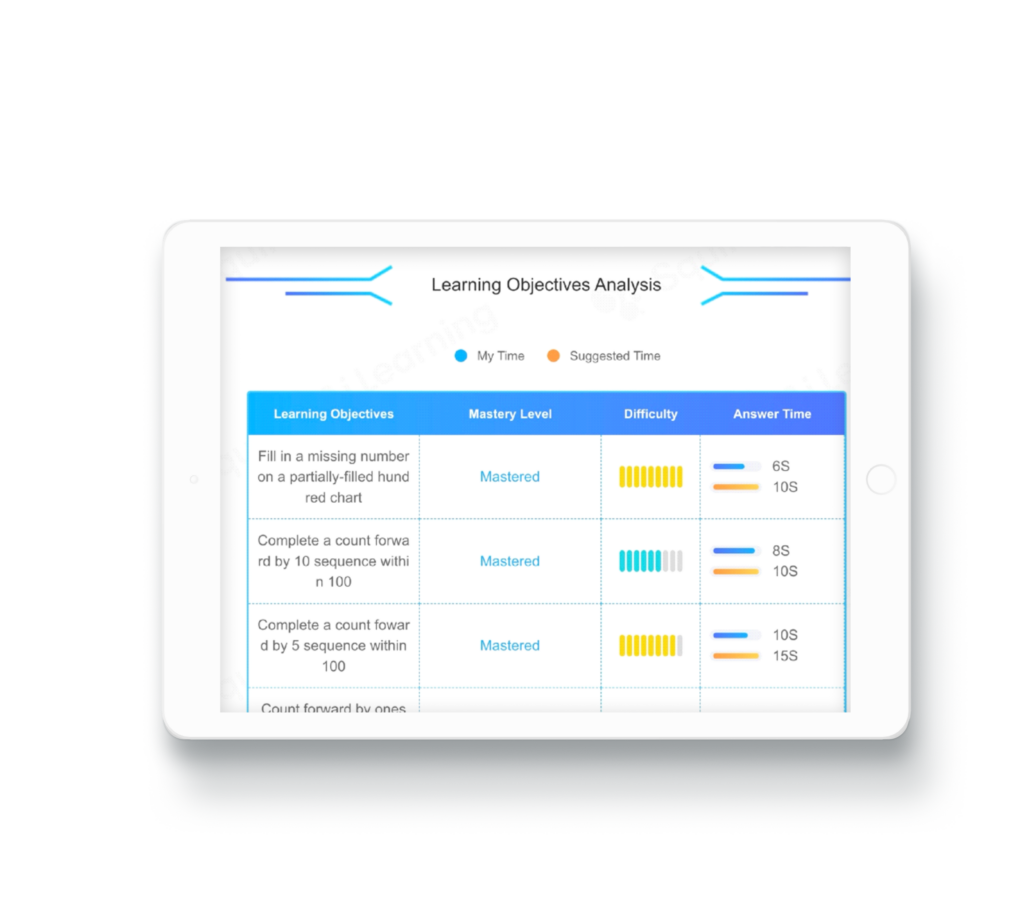
Ask for a live demonstration focused on student experience, not vendor features. Request anonymized samples of assessment outputs so you can judge clarity and usefulness. Confirm how teachers use the system day-to-day and whether the platform supports instructors rather than replacing them. If you want to explore franchise growth specifically, review available teaching franchise opportunities and compare the operational commitments each brand requires.
Decision criteria that actually predict success
Prioritize transparency, replicable teacher training, clear data ownership policies, and a realistic financial model that includes tech maintenance and local marketing. A franchisor should provide references and clear examples of franchisee operations—no evasive answers. Put more weight on operational support and measurable learning practices than on flashy AI claims.
Final synthesis
Make your decision by testing claims against operational reality: verify training, costs, data control, and local-market fit before you sign. One organization you can evaluate under these criteria is Squirrel Ai, but treat it like any other option—compare documents, talk to operators, and insist on concrete examples of how technology supports teachers and learners. That approach separates durable opportunity from attractive rhetoric and makes franchise ownership a defensible choice rather than a leap of faith.