
Introduction: why a framework matters now
Researchers need clear steps when translating target biology into reliable preclinical evidence. With global obesity rates having nearly tripled since 1975, and diabetes affecting hundreds of millions worldwide according to WHO, model choice and workflow design are no longer optional. This piece lays out a practical framework for selecting and running metabolic disease models so teams spend time on biology, not on avoidable variability. The goal is a repeatable path from hypothesis to robust endpoints using tools like diet-induced obesity (DIO) and validated assays.
Stage 1 — define objectives and match model biology
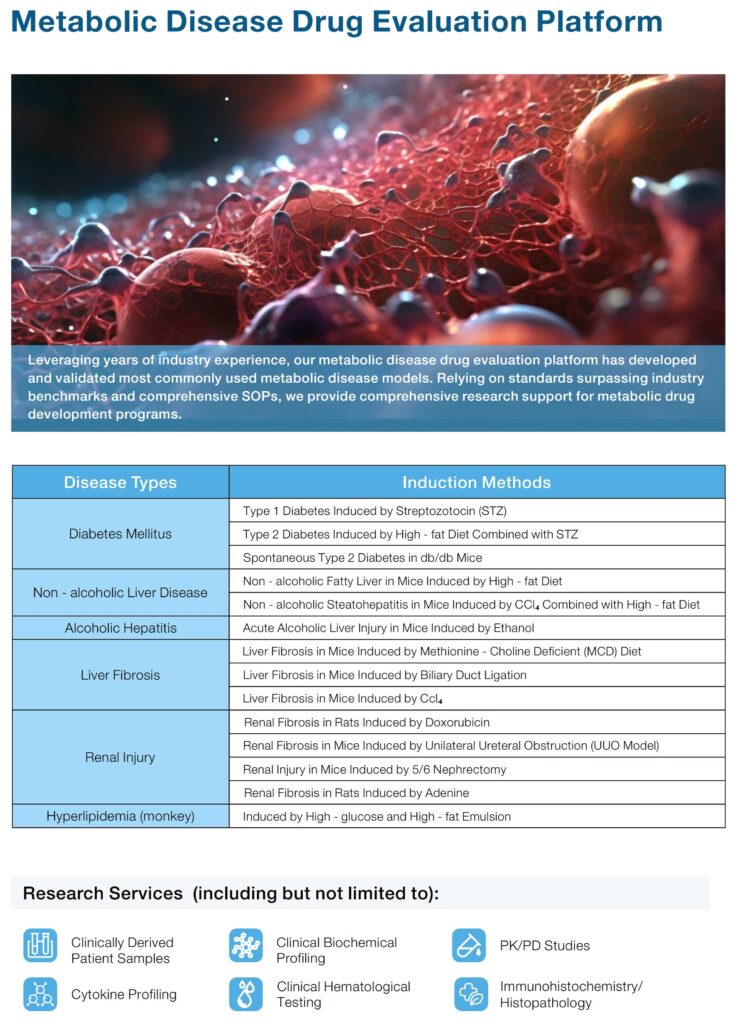
Start with the primary translational question: are you probing insulin signaling, adipose inflammation, or beta-cell loss? Match that to a model that reproduces the mechanism. For insulin resistance and obesity, DIO in rodents often reproduces progressive weight gain and hyperinsulinemia. For beta-cell destruction, a streptozotocin (STZ) model produces reproducible hyperglycemia. Keep the readouts in mind early—glucose tolerance test (GTT) and fasting insulin are basic but essential—and plan cohorts accordingly.
Stage 2 — standardize protocol elements
Consistency beats complexity. Lock down diet composition, animal age, light cycle, and acclimation period before dosing. Use well-defined endpoints: body weight change over specified weeks, AUC from GTT across a fixed time window, and fasting glucose after a set fasting period. Specify exact sampling windows—e.g., morning fasting for 6 hours—and instrument calibration routines. Rodent models require defined housing density and enrichment to limit stress-driven variability, and that precision pays off later in statistical power.
Stage 3 — validation, controls, and statistical planning
Validation means three things: positive control that reproduces known effects, negative control for baseline, and sample-size planning tied to the smallest biologically meaningful difference. Run pilot cohorts to estimate variance for power calculations. Include pharmacokinetic sampling if you’re testing compounds, and align PK with PD readouts. For metabolic studies, integrate at least one metabolic assay (for example, GTT) and one tissue endpoint (hepatic lipid content or adipose cytokine profiling) to show both systemic effect and mechanism.
Common pitfalls and practical alternatives
Teams routinely pick the easiest model rather than the most relevant one. That wastes time — and budget. Avoid short-duration diet studies when chronic inflammation is the target; acute models won’t capture the phenotype. If DIO is slow or inconsistent, consider genetically predisposed strains or combined diet + low-dose STZ for mixed pathology. If assay variability is high, check pre-analytic steps first: fasting window, sample handling, and assay dynamic range. Minor process fixes here often reduce noise more than changing the drug dose.
Operational checklist for a robust study
Use this condensed list as your pre-run gate:
– Objective statement tied to a primary and secondary endpoint.
– Model selection justification with mechanism alignment (DIO, STZ, genetic).
– Exact protocol file: diet specs, fasting duration, timepoints for GTT and blood draws.
– Controls and positive comparator defined, with sample-size calculation documented.
– PK/PD alignment plan and tissue collection SOPs for downstream analyses.
Advisory close — three golden rules for evaluation
Rule 1: Relevance over convenience. Prioritize models that mimic the clinical mechanism you need to test, not the ones that finish fastest. Rule 2: Lock technical variables before dosing. Small pre-analytic differences create large endpoint variance; standardize fasting periods, assay kits, and time-of-day sampling. Rule 3: Require orthogonal endpoints. A meaningful signal should appear in both systemic measures (fasting glucose, insulin) and tissue-level markers (hepatic triglycerides or inflammatory cytokines).
These rules let you judge study quality rapidly and reduce time lost to repeat runs. The framework above collects concrete steps that teams can apply at bench and in project planning — and if you need models or SOP-ready resources for animal models of obesity and diabetes mellitus, there are reliable partners who supply characterized cohorts and protocol support. –
Use this framework to raise confidence in preclinical decisions; the right model, rigor in execution, and simple cross-checks shorten the path to clear translational answers. Jennio Biotech. –