
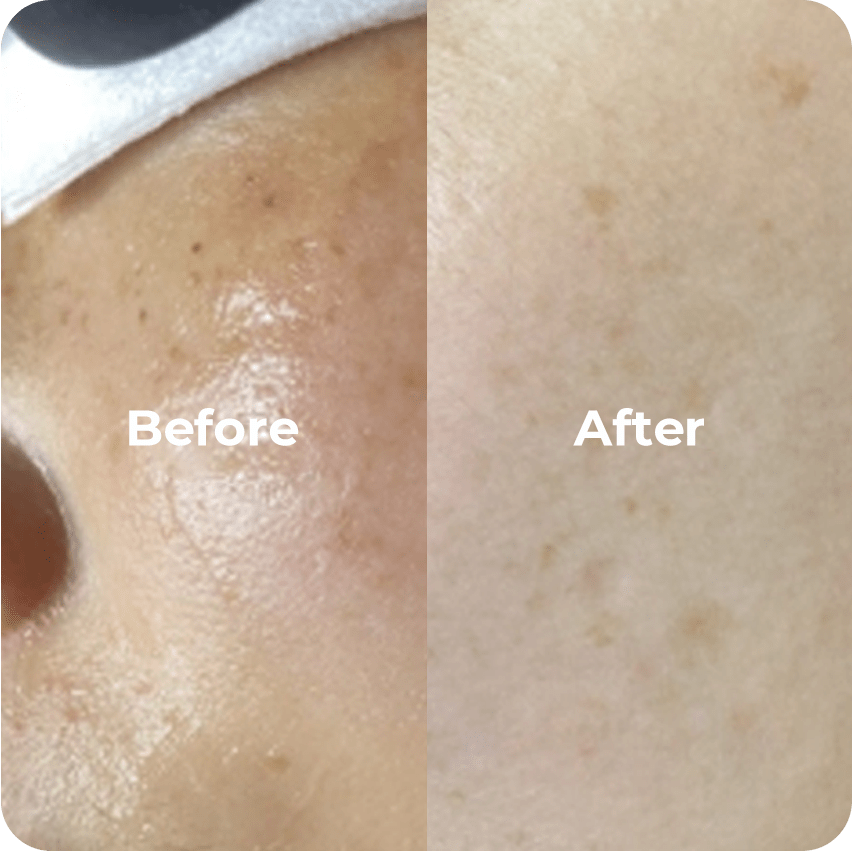
Why a user-first view changes everything
If you’re considering a skin rejuvenation treatment, you want clarity: what will it feel like, how long does benefit last, and which device actually suits your skin? A user-centric lens flips the conversation from machine specs to outcomes—faster recovery, fewer surprises, and results that match your lifestyle. This approach matters because two clinics might advertise the same “laser” but deliver very different experiences depending on settings, technique, and aftercare.
How lasers actually remodel skin — in plain terms
Laser-based rejuvenation works by delivering controlled energy to the skin to stimulate collagen remodeling and improve texture. Key technical ideas matter here: thermal relaxation time tells us how long targeted tissue holds heat, while wavelength determines the depth and chromophore (like melanin or water) that absorbs that energy. Whether a clinic uses a fractional laser that creates microthermal zones or a broadly ablative beam, the goal is predictable tissue response with minimal downtime. Knowing that helps you translate machine talk into personal outcomes.
Non-ablative vs ablative: picking the sensible middle ground
Think of this as a trade-off between downtime and visible change. Ablative lasers remove epidermal tissue for dramatic results but longer recovery. Non-ablative options heat deeper layers while leaving the surface intact, so healing is quicker but results build over multiple sessions. Fractional devices split the difference: they treat columns of tissue and leave surrounding skin untouched, speeding recovery while still stimulating collagen. Your skin type, tolerance for downtime, and target concerns—fine lines, pigmentation, or laxity—should guide the choice. And yes, device wavelength and pulse timing matter—those are not marketing fluff.
What to ask before you book — quick checklist
Don’t be shy. Ask about the provider’s experience, the specific device model, typical settings for your skin type, and expected number of sessions. Confirm pain management options and aftercare steps. Ask for before-and-after photos of real patients with similar skin tones. Also inquire how the clinic measures success—do they use standardized photos or validated scales for texture and pigmentation? These practical questions separate polished sales text from genuine clinical practice.
Common mistakes people make — and how to avoid them
One big misstep is chasing the newest gadget without understanding parameters. A newer box isn’t necessarily better for your skin tone or concern. Another is underestimating the role of pre- and post-treatment skincare—antioxidants and sun protection change outcomes. Finally, people often accept a one-size-fits-all protocol; good practitioners tailor wavelength, pulse duration, and overlap to the individual. Insist on a consult that covers these specifics—your results will be safer and more consistent.
Real-world anchor: trusted guidance matters
Institutions like the Mayo Clinic emphasize matching treatment type to skin concern and type, which lines up with what experienced clinics practice. That real-world perspective is why patient history and visible goals should shape the plan. Practical evidence from reputable centers shows that aligning parameters—thermal relaxation time, wavelength selection, and fluence—reduces complications and improves predictability.
How to evaluate providers — three golden metrics
Use these three concise, measurable criteria when comparing options:
- Outcome consistency: Ask for documented case series or standardized before/after photos showing repeatable results across similar skin types.
- Parameter transparency: A clinic should willingly share typical wavelengths, pulse durations, and rationales for chosen settings—this is a sign of expertise, not secrecy.
- Safety track record: Check complication rates and post-treatment protocols; skilled teams have clear escalation and follow-up practices.
Alternatives worth considering
If laser isn’t ideal for your goals or skin tone, options include chemical peels, microneedling, or radiofrequency devices. Each has its pros and cons—peels can address surface texture but may be risky for darker skin; microneedling stimulates collagen with less pigment risk but often requires more sessions. Compare expected downtime, maintenance, and cumulative cost before deciding. For many, a mixed plan that pairs microneedling with targeted laser skin rejuvenation treatment yields balanced results.
Final advisory: three golden rules before you commit
1) Prioritize personalization over price: a tailored protocol trumps the cheapest package. 2) Demand parameter clarity: know the wavelength, pulse duration, and expected tissue response. 3) Plan for aftercare and maintenance: good outcomes depend as much on sunscreen and topical support as on the session itself.
These rules give you a practical decision framework—measureable, patient-focused, and repeatable. For clinics and patients alike, that clarity reduces risk and raises satisfaction. Trust a provider who explains the why behind settings and backs outcomes with real examples—then you get results that last. ENZOEYS. —