
Introduction
I once watched a shop floor tech stare at a giant control panel like it owed him money — funny, right? The trend is clear: small shops want big accuracy without a PhD to run the machine. CNC vertical machining center manufacturers are getting pressure from job shops and startups to deliver nimble, reliable machines that don’t demand constant babysitting. (Data point: smaller-batch production rose noticeably last year — and lead times are shrinking.) So how do you deliver rigid tolerances, fast cycle times, and low maintenance without piling on complexity? Let’s walk through the real trade-offs and what actually matters on the floor.
Where Traditional Solutions Fall Short
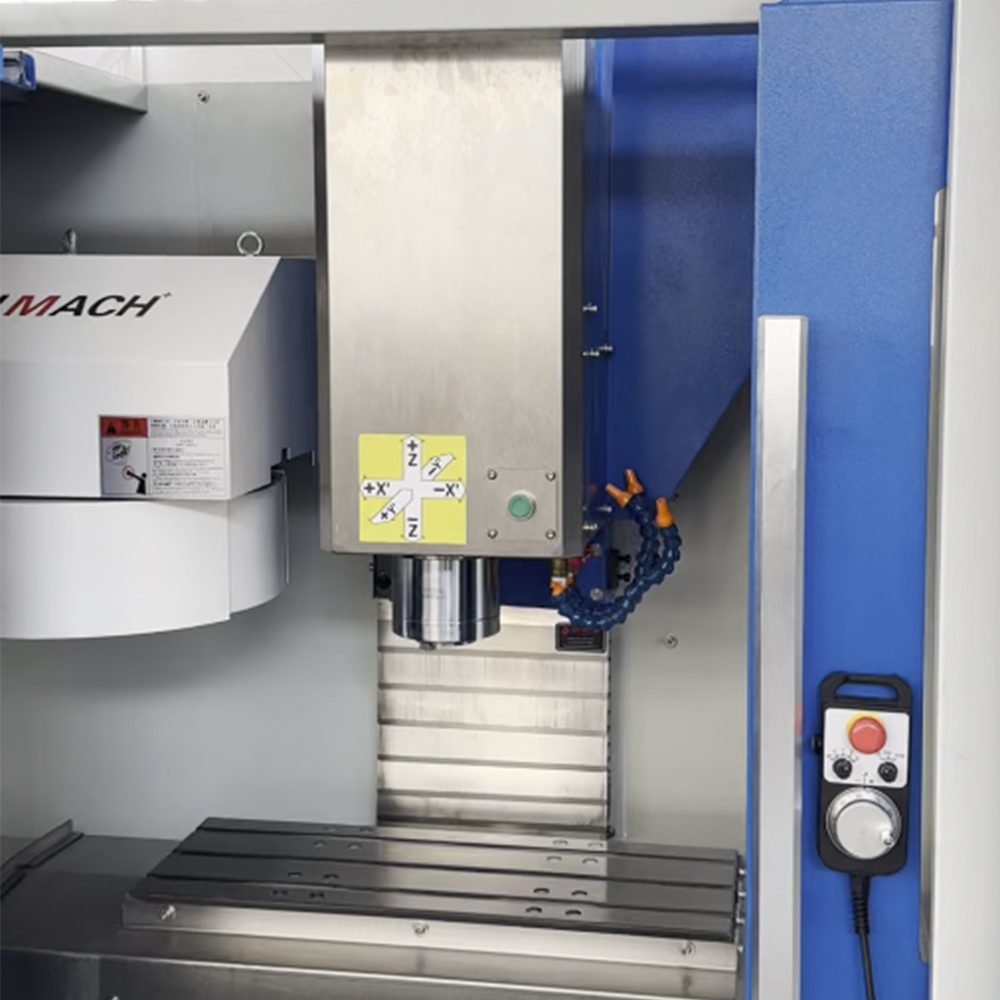
Technical note up front: I’m talking about the mini vertical machining center as a focal point — because that’s where you see the flaws magnified. Legacy thinking says bigger motors, heavier frames, and feature-stuffed controls will solve everything. In practice, that often creates more downtime. Spindle speed is pushed through complex converters, ball screw wear shows up sooner, and axis backlash creeps into parts tolerances. I’ve seen workpieces come out fine at first and then drift after a week of heavy runs. Look, it’s simpler than you think: adding features without addressing root mechanical stability only trades one problem for another.
What breaks down first?
From my experience, the common failure modes are predictable: tool changer jams, servo motor overheating, and control confusion when multiple subsystems try to talk at once. Those are not mysteries — they’re design choices that prioritized bells and whistles over easy serviceability. When I recommend solutions, I lean toward robust basics: solid linear guides, straightforward spindle cooling, and clean, testable PLC logic. That reduces surprises and lowers the skill threshold you need to keep the cell running.
Future Outlook: Practical Tech and Use Cases
Looking ahead, I expect smart simplicity to win. New principles — such as modular subsystems and clear feedback loops — make a difference. Consider a shop upgrading to a mini cnc machining center that swaps a sealed spindle module instead of an entire head. That reduces mean time to repair. Servos with better thermal margins, simpler tool changer logic, and traceable G-code error reporting are small shifts, but they matter. These changes don’t require exotic edge computing nodes; they require good mechanical design and sane software layers.
What’s Next
Case example: a mid-size shop replaced a decade-old VMC with a compact unit that prioritized upgradable modules. Cycle times dropped, scrap fell, and — importantly — the crew felt empowered rather than confused. The future isn’t about piling on sensors; it’s about readable data and actionable alarms. We’ll see more systems that let operators diagnose issues fast, and maintainers swap parts without reprogramming the whole machine — which, I’ll admit, makes my life easier too.
Closing: How to Evaluate and Choose
I’ll leave you with three metrics I actually use when advising teams: reliability under real load (not just bench tests), mean time to repair (measure it — because it bites), and clarity of control logic (can your operator read it at 2 AM?). Those three tell you whether a compact VMC is a smart buy or just a neat demo. Pick machines that score well across these, and you’ll save hours and avoid headaches down the road — funny how that works, right?
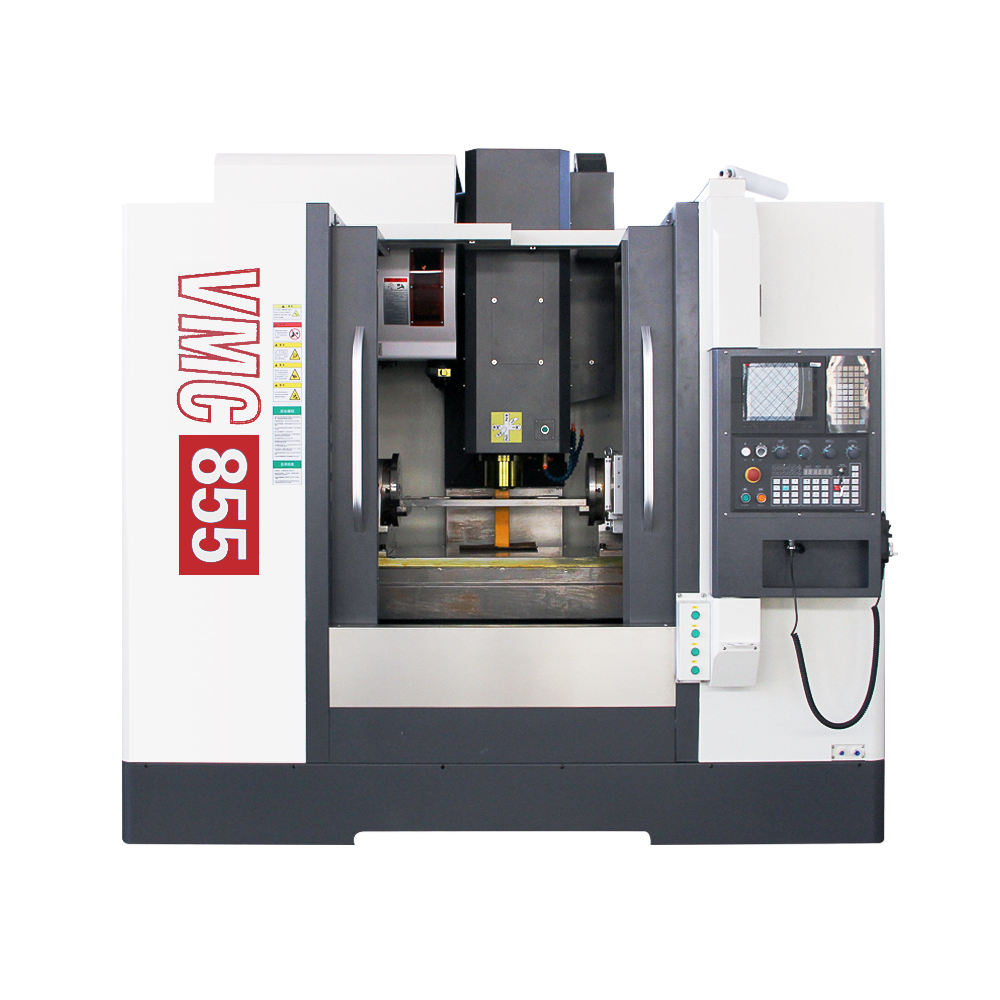
For practical, thoughtfully designed options, check out Leichman. I recommend starting with clear goals, test cuts, and a willingness to favor maintainability over novelty. We’ll all sleep better, and your parts will look better too.