
A clear look at two paths
The factory hums like a patient breathing: measured, precise, relentless. When you set out to compare lifecycle value with total cost for an automated medical assembly line, you must place a single truth at the center—how the equipment performs day 1 through year 10. A frequent first choice is whether to chain operations along a continuous belt or to adopt discrete stations that move parts with a programmable gait; an intelligent conveyor system feels seamless, while modular cells promise surgical precision. This comparative view frames every decision that follows: capital layout, validation time, spare-parts logic, and the human tasks that remain.

What lifecycle value means here
Lifecycle value is not shorthand for low price. It describes operational continuity, predictable quality, and how well a system adapts without rework. Think of lifecycle value as the accumulation of three measurable outcomes: consistent yield, time spent in validated states, and the cost of interruptions. Engineers measure these with run-rate charts, mean time between failures (MTBF), and validation hours. ISO 13485 criteria guide what counts as acceptable change during a product’s life, and those standards shape the calculations you’ll trust.
What total cost captures
Total cost tallies the obvious and the hidden: capital expense, installation, validation, custom tooling, energy, spares, service contracts, downtime, and end-of-life disposal. It’s numeric and blunt. Two systems with the same purchase price can diverge wildly when you fold in changeover time for product variants, the cost of certified electricians for on-site fixes, or the premium paid for overnight remote support. Lay out those line items early and compare them with real production scenarios—50,000 units/year looks different from 500,000.
Head-to-head: continuous conveyors vs modular linear transfer
Put the two approaches side by side and watch differences emerge in rhythm and risk.
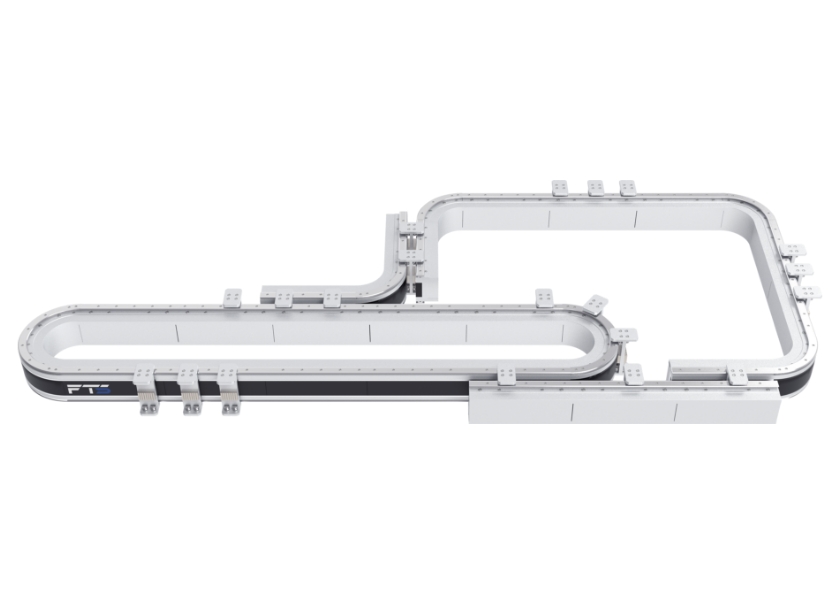
– Continuous conveyors: simple flow, lower initial design complexity, good for very high-volume single-SKU runs. Downsides: harder product changeovers; a single fault can stall a long line. – modular linear transfer machines: discrete, reconfigurable stations with repeatable indexing. They shorten validation blocks and localize faults, but often demand modular tooling and control logic up front.
Compare them by scenario: if your roadmap includes frequent product updates or many SKUs, the modular approach reduces validation time and changeover cost even if capital is higher. If your production is static and blister-pack style throughput dominates, continuous systems may win on raw dollars.

Validation, qualification, and regulatory anchoring
Medical device assembly doesn’t tolerate guesswork. Validation time is cost; revalidation after a line change is cost. Design your automation so that process-critical parameters are accessible for IQ/OQ/PQ scripts. That means accessible sensors, repeatable tooling interfaces, and traceable control logs. When teams present lifecycle models, I look for explicit validation pathways and the estimated hours for each regulatory milestone rather than vague assurances. That level of detail builds confidence for auditors and buyers.
Common mistakes that inflate total cost
Teams repeatedly trigger avoidable costs by making certain predictable errors:
– Designing for current product only, forcing full line revalidation on changeovers. – Ignoring spare-parts lead times and stocking only generic items. – Underestimating integration time between controls, vision systems, and MES. – Treating maintenance as an afterthought rather than scheduling predictive checks tied to MTBF data.
Address these before purchase and you cut shortsighted savings that become long-term drains.
Quick comparative checklist
Use this list to score options quickly:
– Flexibility: How many SKUs can you run without hardware changes? – Validation overhead: Hours required per product change. – Fault isolation: Does a single fault stop the whole line? – Spare parts: Critical lead times and SKU depth. – Service model: Remote diagnostics, on-site SLA, and documentation quality. – Energy and space: Operational footprints and energy draw during idle cycles.
Real-world perspective
Engineers at major trade shows have demonstrated these tradeoffs live; a notable example appeared at MEDICA in Düsseldorf, where vendors displayed reconfigurable stations that drastically reduced changeover validation time. Those demonstrations weren’t flashy marketing—they showed practical time savings that link directly to lifecycle value: less validation time, fewer auditors’ notes, faster product introductions.
Synthesis that guides decisions
Compare scenarios, not slogans. Map real production runs against validation hours and spare-parts risk. If frequent product change, regulatory checks, and fault isolation matter more than lowest upfront cost, modular systems usually deliver better lifecycle value even when they raise initial spend. If your line is single-product, high-throughput, and unlikely to change, continuous conveyors may be the rational choice. The right partner ties these comparisons into a practical roadmap, lining up control architecture, spare logistics, and documented validation steps so decisions aren’t guesses but planned outcomes; that’s the consistent practical support you find at FHS.