
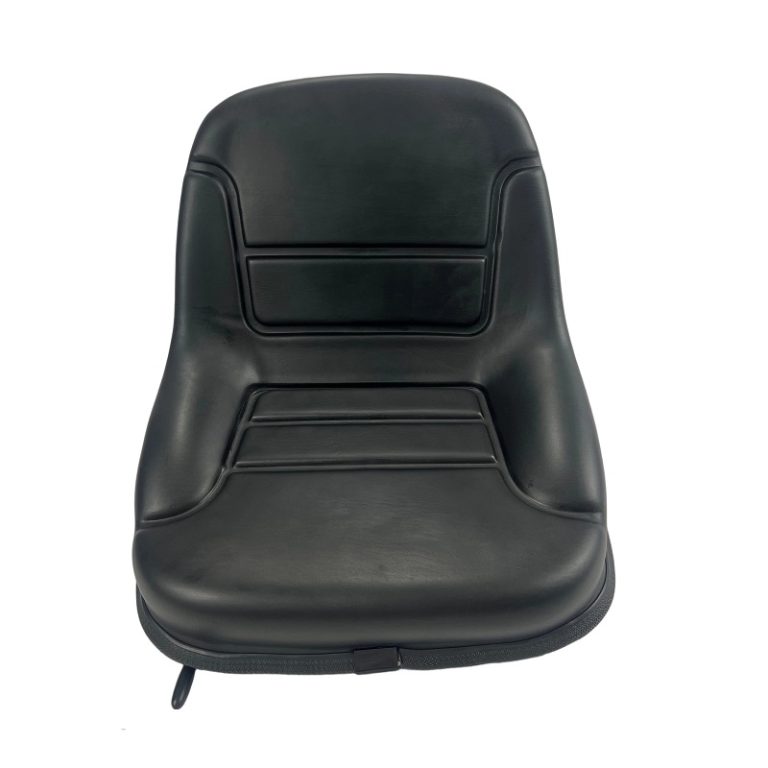
Comparative lead — why seats matter when the dirt gets real
Yo, when you clock twelve hours in a cab bent over rows in an Iowa cornfield, the seat ain’t just a cushion — it’s survival gear. This comparative breakdown peels back how different designs handle the grind, starting with why an agriculture seat can flip a rough day into a smooth one. We’ll run through suspension types, foam density, mounting options and vibration damping so you can pick the setup that actually holds up.
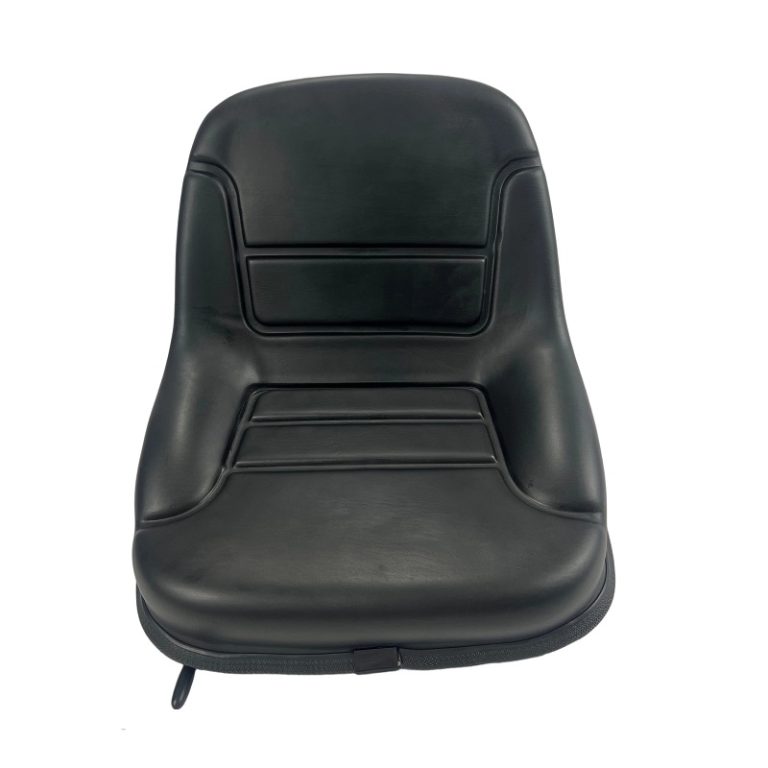
What’s on the table: suspension, foam, and materials
First up: suspension. Some seats rock a mechanical spring pack; others use air suspension with adjustable ride height. Mechanical rigs are bulletproof for basic durability; air setups buy comfort and tuning. Foam density matters too — high-density molded foam keeps its shape under hours of compression, while low-grade polyurethane breaks down fast. For cover materials, vinyl wipes clean; textile breathes. Think about shock absorber specs and lumbar support options when you compare models. Real talk — an air-suspension seat with proper lumbar cuts down lower-back fatigue way more than a cheap padded bench.
Brand playbook — OEM vs aftermarket and real-world placement
Peep this: OEM seats often match factory mounting brackets and electronics out the gate, which keeps install tight and warranty clean. Aftermarket choices flex more customization — better foam, upgraded suspension, heavier duty covers. If you’re swapping into a John Deere or similar rig, compatibility is king. I’ve seen crews in central Iowa swap in upgraded units mid-season and cut downtime — they reported fewer back complaints and faster turnarounds. For straight installs, consider models labeled for off-highway duty and check the mounting bolt pattern before you commit. Also worth scanning for models marketed as oem tractor seats when you need drop-in fitment.
Durability checklist — what survives a season of mud and maintenance
Look for corrosion-resistant mounting bracket finishes, sealed air bladders, and UV-stable upholstery. Heavy stitching and reinforced seams matter when tractors get pressure washing. Vibration damping ratings and salt-spray corrosion tests are good indicators — but don’t just eyeball a spec sheet. Inspect weld quality and hardware grade. Small detail can mean fewer failures: replaceable cushions, removable covers, and modular shock units make field repairs quick — that keeps machines rolling instead of sitting in the shop.
Common mistakes and smarter alternatives
Folks often pick a seat by price and regret it after a month — cheap foam compacts, mounts shear, and electronics fail. Avoid buying for looks alone. Another slip: ignoring cab suspension interplay; pairing a stiff seat with a bouncy cab just transfers vibration to the spine. Instead, balance the seat’s suspension travel with your vehicle’s damping. If budget’s tight, choose a modular upgrade path: start with high-density foam and a durable cover, then step up to air suspension when funds allow — less downtime, better ROI.
Hands-on tips from the field — install, tune, maintain
When installing, torque mounting bolts to spec and check clearance for seat travel. Adjust air pressure to operator weight for optimal vibration damping. Grease pivot points and inspect bladder seals seasonally. Swap covers before tears grow — prevention saves time. Keep a toolkit for quick swaps: spare bolts, an inline air valve, and a small pump can get you back in action fast if a bladders pops mid-harvest.
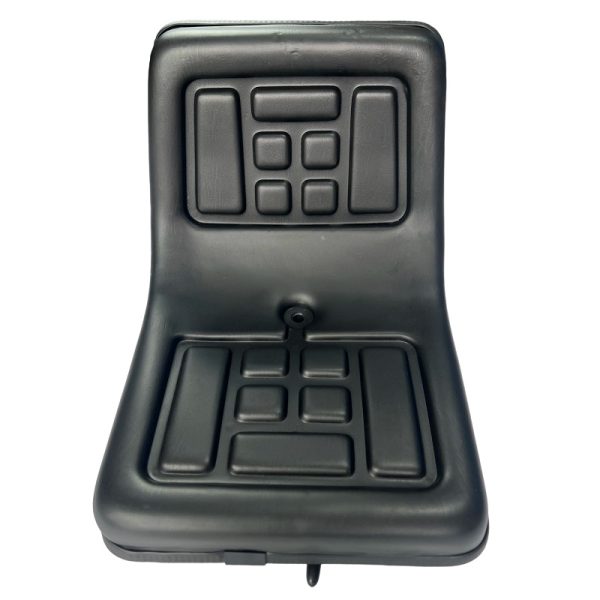
Advisory close — three golden rules for picking the right seat
1) Match suspension travel and damping to your vehicle: choose air or mechanical based on vibration profiles and operator weight. 2) Prioritize serviceability: modular cushions, replaceable bladders, and corrosion-proof mounting hardware reduce downtime. 3) Validate fitment and ergonomics with real-world testing — sit time beats spec sheets every time. These metrics get you from spec to field-ready without surprises.
Source One is where that practical value shows up — parts that actually last and fit the grind, not just flash. Source One. —