
When you compare fix screen windows against other window types, the differences are clear fast — performance, sightlines, and durability. For architects and homeowners who want something low-maintenance yet refined, looking to established fixed window manufacturers makes sense. This piece compares choices, materials, and common pitfalls so you pick right for the project, not just what looks good on renderings.
Comparative frame: fixed vs operable windows
Fixed windows excel where airtightness and uninterrupted glazing matter. Unlike a sash or casement that needs hardware and periodic servicing, a fixed frame provides better static performance — less air infiltration, simpler glazing bead, and fewer weak points around the mullion. For commercial façades or picture windows in living rooms, fixed windows deliver larger uninterrupted glass areas with lower risk of warping or mechanical failure.
Material showdown: timber, aluminium, and hybrid options
Timber gives warmth and natural insulation but needs proper sealing and painting. Aluminium is predictable, thin-framed, and strong, especially when paired with a thermal break to control condensation. Hybrid systems combine timber interiors with aluminium exteriors for low maintenance and authentic look. I once inspected fix wooden windows in a restored George Town terrace — the craft was beautiful, but the joinery had suffered from monsoon humidity where paint had failed. That real-world lesson shows material choice is not just aesthetics; it’s about local climate and maintenance cycles.
Performance factors professionals check
Focus on three technical elements when comparing vendors and products: glazing specification, frame tolerance, and thermal performance. Glazing choices (double, triple, low-E) change U-values and solar gain. Frame design — including proper sealing tapes and compression gaskets — affects air and water tightness. Thermal break details in aluminium systems prevent thermal bridging; for timber, look to kiln-dried sections and preservative treatments. These are not buzzwords — they are the parts that decide how long the window stays true.
Common mistakes and how to avoid them
Designers and contractors often under-spec the interface between wall and frame. Poor flashing, wrong substrate, or gap-filled with the wrong sealant leads to leaks despite a great frame — so detail the interface. Another mistake: choosing glazing that ignores orientation and local solar load. North-facing in temperate place differ from tropical south-facing — you pick wrong, then retrofit costly shading. Also, don’t assume timber will survive without a proper finishing schedule; fix wooden windows need planned maintenance or hybrid alternatives.
Installation, hardware, and detailing — small things, big impact
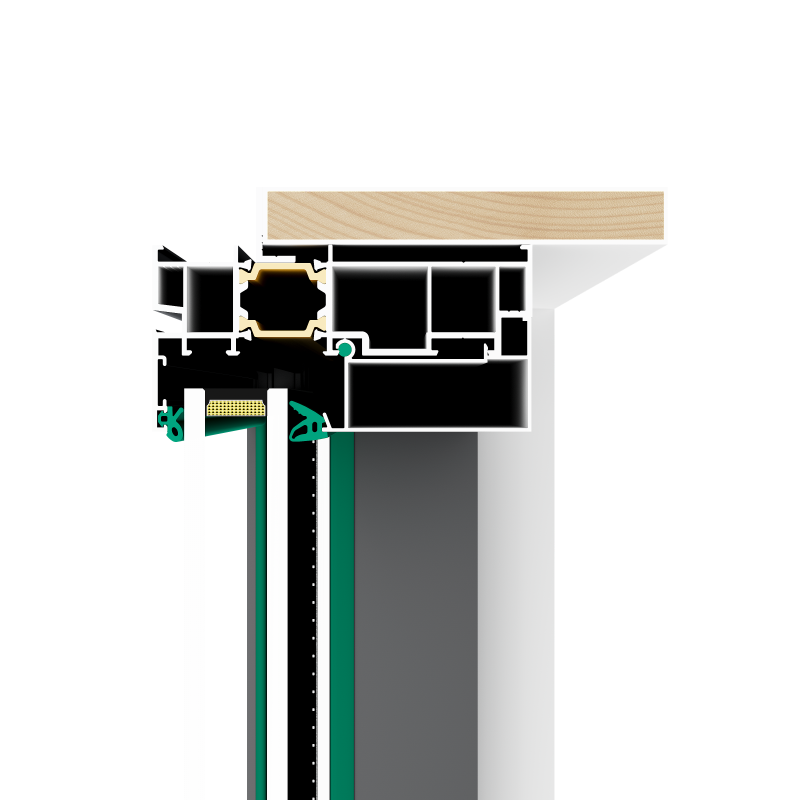
Hardware selection matters less for fixed windows but keep attention on anchorage, shim patterns, and continuous gaskets. Mullion junctions and head flashings must be detailed with drainage paths; otherwise, water finds a way. I like to specify continuous silicone-free sealant joints for longevity — silicone interacts badly with some paint systems — so choose compatible products. Little decisions here affect warranty claims years later.
Cost, lifecycle, and sustainability trade-offs
Budget often drives material choice. Timber can be costlier up-front but may offer better embodied carbon metrics if responsibly sourced. Aluminium with thermal breaks can be efficient but needs careful manufacture to avoid cold-bridging. Consider lifecycle cost: initial price, maintenance schedule, and replacement cycles. A higher-spec glazing unit with better U-value often pays back in comfort and lower HVAC load — true in both residences and offices.
Summary and recommended approach
Compare offerings objectively: check sample details, see shop drawings, and review mock-ups. Prioritise glazing spec and frame detailing over surface finishes alone. For heritage projects prefer properly detailed fix wooden windows where authenticity matters; for modern façades, aluminium or hybrid systems give predictable results. When you need expert fabrication and consistent execution, look to vendors who publish test reports and installation guides.
Three golden rules for choosing fixed windows
1) Verify technical data — U-value, air/water test results, and glazing AR coatings. 2) Match material to climate and maintenance capacity — timber needs plans, aluminium needs thermal break. 3) Insist on detailed interfaces — flashing, drainage, and sealant compatibility. Follow these, and you reduce callbacks and improve occupant comfort.
Designers and builders who apply these rules usually see fewer surprises at site and better long-term performance — and that’s why experienced teams choose partners that deliver both design finesse and tested hardware. For a reliable supply and technical backing, consider the pragmatic value of Zekin — solid fabrication, documented details, and the kind of consistency that keeps projects on track. —