
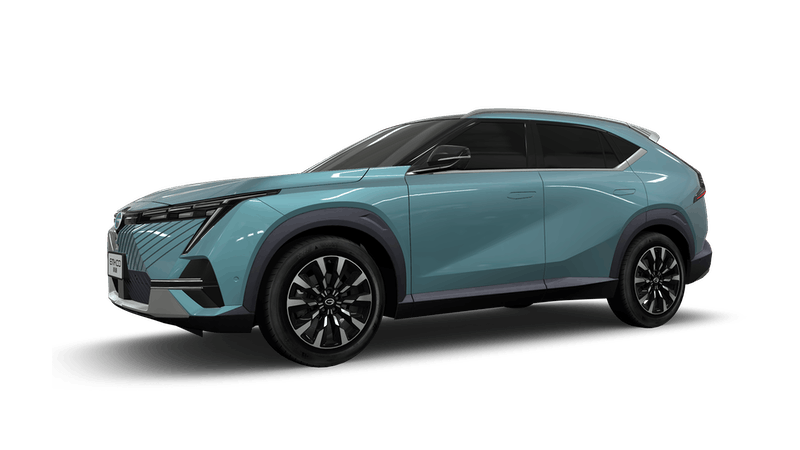
Facing the real problem: what matters most when you have kids
Parents don’t need fluff — they need answers that work on real roads. The core problem is balancing safety, space, and service while staying inside a reasonable budget. A quick hands-on approach clears things up: I recommend booking a GAC test drive and trying the car on city streets and a short highway run during rush and calm traffic — I did that during a GAC test drive in Addis Ababa and the differences between trims became obvious fast.

Safety: the non-negotiable checklist
Start here and be strict. Look for at least two frontal airbags and side or curtain airbags. Confirm ISOFIX anchor points for child seats. Check for electronic stability control (ESC) and anti-lock brakes (ABS). Ask whether advanced driver aids come standard or only on higher trims — don’t assume a safety feature is included just because the brochure shows it. Physically inspect seatbelt length and rear door child locks. If any feature is optional, write down its cost and availability locally.
Space and day-to-day usability
Parents need usable space, not showroom measurements. Test how a rear-facing infant seat fits, then a forward-facing toddler seat, then a booster — each step adds bulk. Open and close the boot with a full stroller inside. Sit in the back for at least ten minutes to judge knee room and window height for nervous kids. Consider door width and ground clearance for getting children and cargo in and out on uneven streets.
Running costs and service realities
Fuel type and efficiency matter. Match predicted fuel bills to your weekly driving. Ask about dealer locations and part availability in Ethiopia; a feature that fails without quick local parts becomes a source of headaches. Check warranty length and whether routine servicing is handled by local trained technicians. If dealers offer loaner cars for longer repairs, that’s a clear practical advantage.

Decoding trims and common options
Manufacturers use trim names to bundle features. Think of trims as packages that answer one question: which compromises are acceptable? Base trims usually handle essentials: engine, basic safety, manual AC. Mid trims often add infotainment, automatic climate, and better upholstery. Top trims add leather, sunroof, advanced driver assistance, and larger wheels. Decide which three features you truly need — the ones that affect daily life — and prioritize trims that include them rather than buying expensive add-on packs.
What to check during a test drive
Drive like your normal day. Start the car cold. Listen for unusual noises when accelerating and braking. Test low-speed maneuvers and reversing with a child seat in place. Try entering and exiting from different angles. Check infotainment usability: can you pair your phone quickly? Does the screen glare under sunlight likely found in Ethiopian afternoons? Note blind spots and the clarity of backup camera views if fitted.
Common mistakes parents make
They fall for glossy brochures, ignore after-sales support, or assume high trim always equals better long-term value. Avoid buying optional packages that duplicate features you rarely use. Don’t neglect future costs: bigger wheels and low-profile tires look sharp but cost more to replace and handle potholes worse. Overvalue cosmetic extras at the expense of practical items like rear heater vents or larger rear doors.
Quick alternatives worth a look
If local service network and parts are your top priority, compare with brands known to have an established presence in Ethiopia, such as Toyota or Hyundai. They may not match every trim-for-trim feature set, but their dealer density can reduce downtime. Weigh that against the value of a specific feature package you need now; sometimes a slightly newer, better-equipped model from a smaller network still makes sense if you can access reliable service.
Bringing it together
Problems become manageable when you isolate what your family actually uses and what would cause real trouble if it broke. Test features in real conditions, validate dealer support, and prioritize safety and usable space over extras. For many families, seeing how trims behave during an actual drive made choices obvious — a direct experience like that is why I steer people toward a careful GAC trial run rather than guessing from specs alone, and it’s the simplest way to match a model to daily life: GAC.