
Where the trouble starts
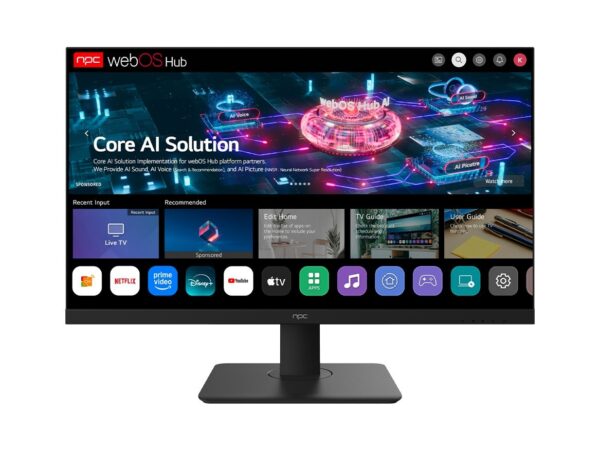
Too many teams treat a telly like another SKU to bolt onto a roadmap, and that’s where the mischief begins. Manufacturers cram features, chase panel specs, then wonder why customers feel let down. I’ve been in product rooms with a monitor manufacturer, watching designers argue over inputs while installers fretted about calibration. One clear moment at CES in Las Vegas showed it plainly: prototype panels can dazzle on stage but falter in daily use, and that gap matters when a computer display is central to how customers actually live with their screens.
The real problem, told plain
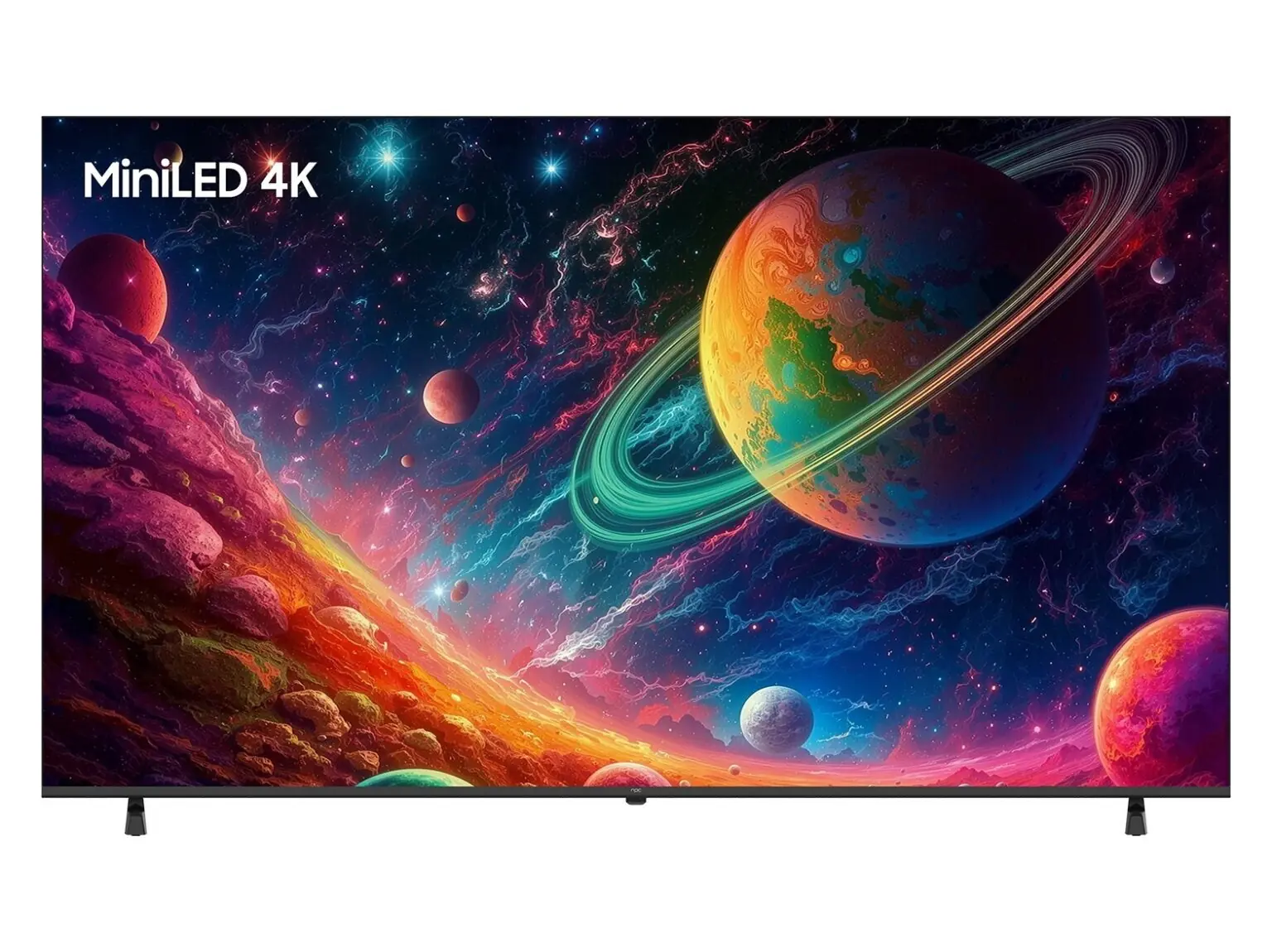
Brands confuse spectacle with suitability. Big numbers in marketing don’t equal reliable color, low latency, or consistent firmware. That mismatch spawns returns, support calls, and bruised reputations. I’ve specified panel stacks and sat through integration tests long enough to know which choices bite you later: wrong scaler, scant QA on HDMI/DRM, or a gut reaction to chase the latest HDR buzz without testing common content.
Where mistakes commonly happen
Designers grab the flashiest panel or the cheapest chipset. Engineering gets squeezed by time, so validation is thin. Supply teams buy by price band, not by long-term yield or software support. Marketing promises features that firmware never quite delivers. Those are concrete, repeated errors — and they’re fixable if you change the sequence of choices.
Practical priorities for a sensible strategy
Start with use-cases, then pick hardware. Gamers need low input lag and VRR. Creatives need color accuracy and uniformity. Living-room viewers want smart UI that stays updated. Lock in panel family and scaler early so software can be written to its realities. Put time and budget into interoperability testing—console, streaming boxes, PC setups—before you ship. That prevents the most expensive fixes: recalls and large-scale firmware patches.
Alternatives and the trade-offs
You can build a TV from scratch, white-label a design, or partner with a specialist. Building in-house buys control but costs time and demands deep display expertise. White-labeling is fast but risks poor differentiation and flaky long-term updates. Partnering with a steady panel partner shortens time and keeps quality predictable. Each route costs something: choose the cost you can live with, not the cheapest one today.
Common pitfalls to dodge
Avoid these habits: selling on peak specs alone; deferring QA until late; skipping real-world latency tests with consoles and PCs; assuming firmware is a one-off launch task. Do not promise features without an update path. Keep warranty and support planning realistic; customers judge you by how problems are fixed, not by the launch show.
How to prove competence without bravado
Test on representative content, publish clear benchmarks for latency and color, and maintain a transparent update cadence. Use living testbeds—playback from streaming services, a contemporary console, and a workstation—to catch problems early. Share learnings with partners; that builds trust. These are the sorts of steady practices that win repeat buyers and calm support desks.
Final stitch
Fix the order of decisions: define buyer needs, lock the panel and software interface, then refine features. That approach trims returns, shortens support queues, and makes product promises you can keep. When brands choose partners and processes with care, they avoid the usual scramble — and they find the steady support they need from suppliers such as npc.