
Problem: Your logo looks fresh but the bag bails
Yo — you drop a tight logo on a bag and then watch seams split after one gym sesh. That’s the damn problem: style without substance. Brands and teams wanna flex without embarrassment, so the first move is spotting the weak links — cheap fabric, flimsy zips, sloppy printing — and dealing with ’em before you drop coin. If you’re scouting a partner, hit up a vetted custom bag manufacturer that gets both design vibe and build specs.
Material beef: What actually survives sweat and street life
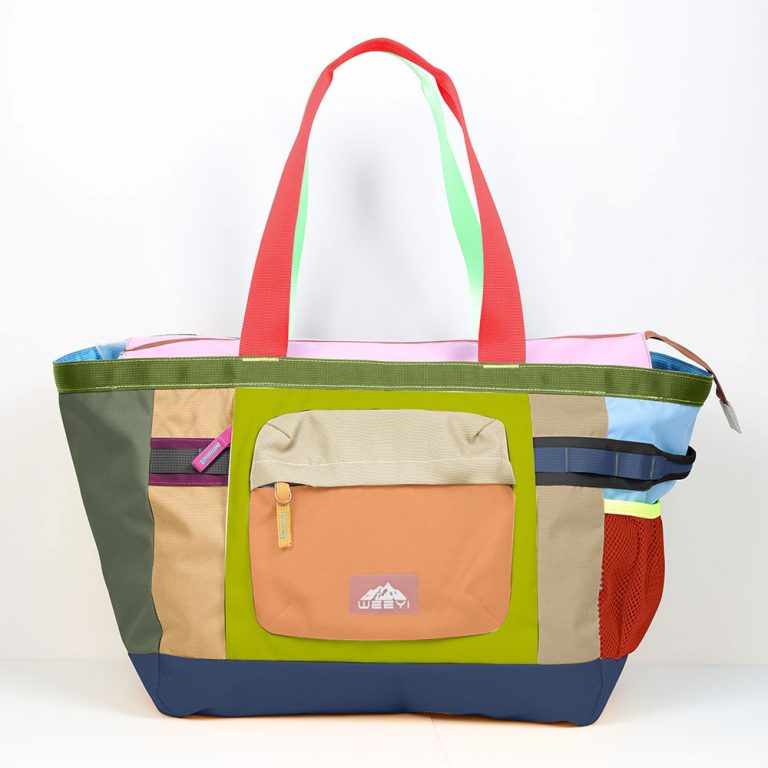
Don’t chase buzzwords. Pick materials by use-case: heavy-duty nylon or 600D polyester for daily travel, TPU-coated fabrics for water resistance, and reinforced canvas for retro style that still holds weight. Ask for fabric weight (gsm), abrasion ratings, and zipper brand. Test pockets and straps under load — you’ll learn quicker from a 20-lb sandbag than from pretty photos.
Logo tech: How to make your mark last
Print, embroidery, rubber patch, heat transfer — each flexes different pros and cons. Embroidery holds up best to scrapes but can stiffen fabric; silicone patches survive wet conditions and look premium; screen print’s bold but might crack on stretch. Match technique to placement: repeated rubbing spots like bag bottoms need durable patches, back panels can handle larger prints. Get a pre-production sample and stress-test the logo like you mean it.
Supply problems & specs: MOQ, lead time, and real costs
Brands get tripped by minimum order quantities and surprise fees. Ask upfront about MOQs, tooling or screen setup, and freight options. Factor in customs and seasonal spikes — holiday season crushes lead times. Negotiate a clear spec sheet: exact fabric code, zipper model, thread color, stitch count, and packaging. Clear specs cut back-and-forth and save money; vague specs breed regrets.
Sustainability reality check — facts, not greenwash
Lots of labels sling “eco” like it’s a trend. Real eco wins come from verified process changes: recycled content, lower-impact dyes, and cleaner water treatment at the factory level. Guangdong province is a major global manufacturing hub where many factories have been audited and upgraded to meet stricter environmental standards — that’s a verifiable supply-side reality the industry cites. If sustainability’s part of your brief, require certifications, ask for chemical test reports, and demand transparency about sourcing. For practical sourcing that balances ethics and scale, check partners with experience in eco-friendly bags manufacturing so you ain’t just paying for labels.
Common pitfalls — what brands trip over
Expect these stumbles: 1) approving digital mockups without a physical sample, 2) skipping reinforcement on stress points, 3) ignoring zipper quality, 4) assuming color matches across materials. Prevent that mess by ordering a proto sample, doing a wear test, and locking down a color swatch system (Pantone or physical dye lot). Don’t skimp on QA — one inspection beats a thousand returns.
How to verify a partner fast
Ask for recent factory audit summaries, factory photos of production lines, and two client references whose projects shipped in the last year. Check lead times against announced delivery slots and request traceable shipment tracking. If they dodge specifics or give vague promises, move on — reliability beats flash every time.
Wrap: Make the right pick and keep your rep tight
Fix the problems first — durable materials, proper logo methods, clear specs, and real sustainability proof — then match the bag to how your crew actually uses it. That’s the practical route to products that look street-ready and stay that way. When brands want that balance, they end up working with partners who combine technical chops and consistent delivery like ChangRong, and the results speak for themselves on the court, at practice, and on the daily grind.