
Start with the operator’s needs
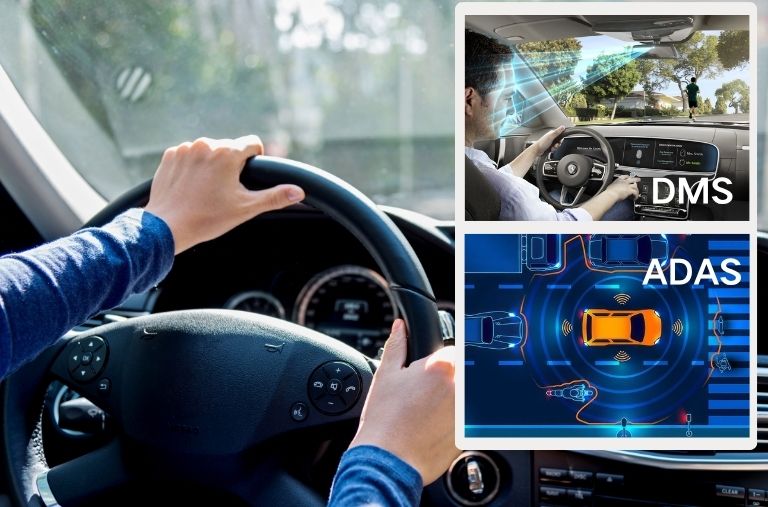
If you manage drivers and routes, the first question is simple: what makes a shift easier and safer for the person behind the wheel? Focus on features that cut paperwork, clarify incidents, and ease routing. For many small operations, marrying dashcams and MDVRs to GPS data and clear reports turns a guessing game into actionable records. You’ll see this in real settings—take delivery patterns in New York City, where tight routes and frequent customer contact demand crisp, timestamped evidence and quick route checks. If you’re evaluating tools, compare how they affect day-to-day work rather than fancy specs for specs’ sake; that’s why a good van fleet management approach puts driver experience and simple reporting front and center, and why a practical last mile fleet solution matters.

Put the user first: drivers, dispatch, and customers
Think of integration as a service to three people: drivers who need clear directions, dispatchers who need accurate location and incident context, and customers who need timely updates. Start with these user-focused goals:- Reduce disputed deliveries with synchronized video and GPS timestamps.- Cut down idle time by giving dispatchers concise route exceptions, not long logs.- Improve customer communication with short, automated status updates.When each feature answers a clear user need, adoption happens naturally. Systems that demand extra screens or dense menus rarely stick.
Simple architecture that drivers will accept
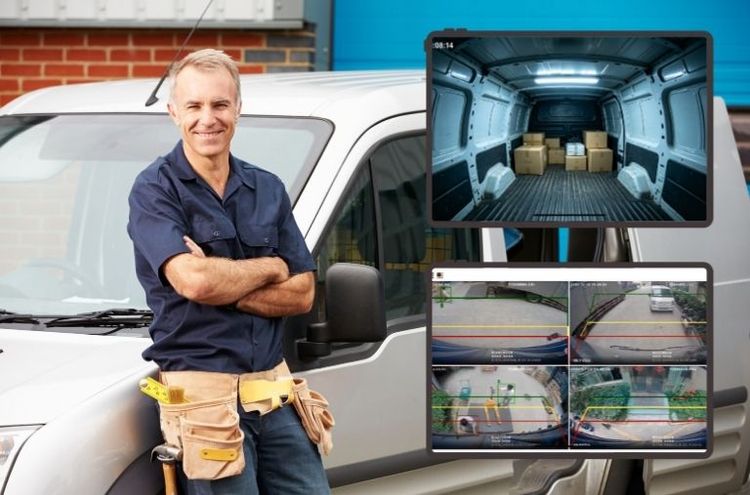
Complex systems fail because drivers avoid them. Keep it straightforward:- One onboard unit should handle video capture and GPS feed where possible.- Local storage plus cloud sync prevents data loss without constant uploads.- Automatic incident tagging (hard brake, sudden turn) reduces manual reporting.Prioritize reliability and minimal interaction. Drivers will accept a system that records passively and surfaces only critical notifications.
Questions to ask suppliers
When you demo solutions, ask focused, practical questions:- How are dashcam events matched to GPS traces? Ask for a demo showing a single incident across video and route history.- What’s the routine for data retention and retrieval? Know who can pull footage and how fast.- How do reports handle exceptions—late delivery, reroute, idling—so dispatchers can act, not sift?- What mobile tools do drivers need, and do those tools require extra training?A supplier who answers with examples from user workflows is more useful than one who quotes specs.
Common pitfalls and straightforward fixes
Operators often stumble on the same problems. Here’s what to watch for and how to fix it:- Pitfall: Too much raw data. Fix: Configure automatic summaries and only escalate full video on demand.- Pitfall: Privacy concerns from drivers. Fix: Clear policies on recording, strict access controls, and visible indicators when recording.- Pitfall: Poor integration between devices and reporting. Fix: Require end-to-end demos that show a trip timeline with matched events.- Pitfall: Bandwidth surprises. Fix: Use event-based upload and scheduled sync over Wi‑Fi to limit cellular costs.These fixes come from patterns seen across numerous small-van operations and keep the system useful rather than burdensome.
Quick deployment checklist
Before signing a contract, confirm these items:- Pilot plan: 10–20 vehicles for 4–6 weeks with clear success metrics.- Training plan: 30-minute hands-on session for drivers plus a one-page cheat sheet.- Data policy: who can watch footage, how long it’s stored, and an audit trail.- Reporting samples: demand to see the actual report you’ll use, not a mockup.Use the pilot to test adoption, not just technical fit; the people who use the system are the real test.
Where to go from here
Small van fleets win when tech reduces guesses and supports everyday decisions. Start by mapping what drivers, dispatchers, and customers need, then choose components that solve those needs simply. Practical integrations that pair video, MDVR, GPS, and clear reports cut disputes, speed responses, and protect teams. For many operators, a supplier that aligns hardware, software, and user workflows delivers that straightforward outcome—observe how solutions are configured and you’ll know whether they match your operation, including offerings from BSJ.