
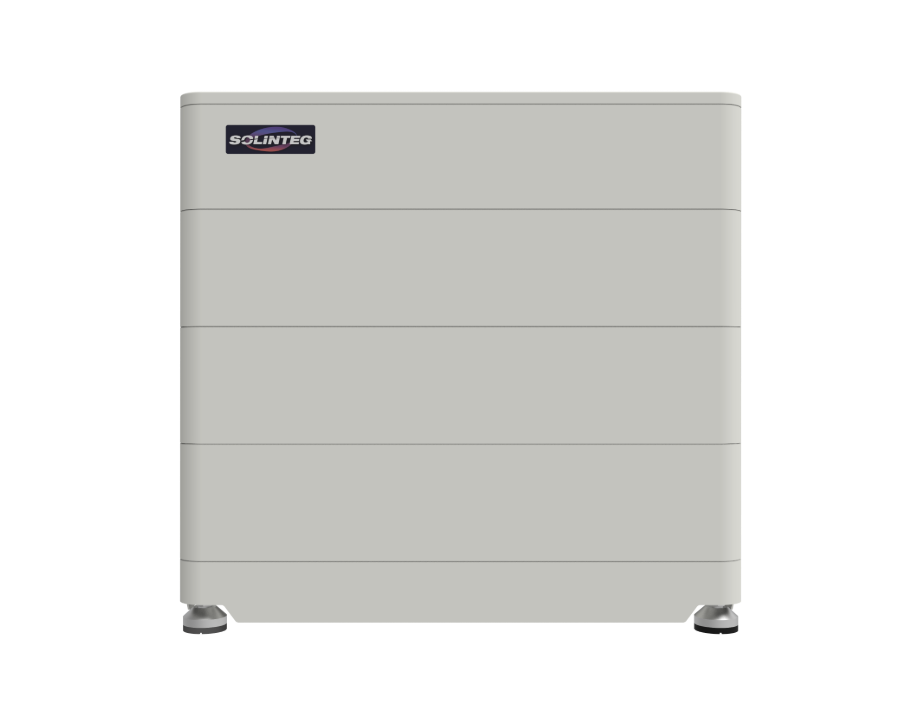
Why focused upkeep matters for operators
For facility managers and small-scale energy teams, routine maintenance turns a pricey asset into reliable capacity. Early, consistent checks of commercial battery storage reduce unplanned downtime and extend cycle life; they also protect grid services during extreme events such as the February 2021 Texas winter storm, when backup performance became a critical operational measure. This piece is written with restrained technical clarity — you’ll get actionable tasks, not marketing — and it treats system health as the primary KPI for commercial resilience.

Daily and weekly checkpoints
Start with visual and telemetry checks. Confirm inverter status lights, verify BMS alarms are clear, and scan state-of-charge (SoC) trends in the supervisory dashboard. Log temperature readings from thermal sensors and spot any cell imbalance early. Keep a short daily checklist that a technician can complete in under 15 minutes; repeat a more thorough weekly log that includes firmware version, communication latency, and any error-code history. These steps keep degradation mechanisms visible long before they affect service.
Monthly calibrations and functional tests
Every month, validate the battery management system (BMS) and run a controlled discharge to confirm reported capacity aligns with actual throughput. Check depth of discharge (DoD) settings against operating profiles — many sites unconsciously push systems deeper than intended, which shortens useful life. Inspect physical connections for torque loss and corrosion; a loose DC lug or compromised busbar is a low-cost failure point. Document results in a single rolling spreadsheet to spot trends across months.
Quarterly maintenance that prevents failure modes
Perform balance-of-plant inspections quarterly: thermal management circuits, HVAC filters, and cooling-loop pressures must be within spec. Conduct an insulation-resistance test on high-voltage components per manufacturer torque and dwell parameters. Replace HVAC filters based on pressure-drop thresholds rather than calendar days — condition-based replacement saves money and keeps thermal runaway risks low. Train staff on emergency isolation procedures and ensure signage and PPE are visible and compliant.
Annual deep-dive and lifecycle planning
Once a year, bring the system offline for a capacity audit and cycle-stress test. Compare measured cycle life against vendor projections and update your depreciation and replacement schedule accordingly. This is also the time to review warranty scopes and firmware baselines; a missed update can leave a fleet exposed to avoidable faults. Use this audit to refine your spare-parts inventory: prioritize on-site spares for the inverter and BMS modules that historically show the highest MTTR.
Common mistakes operators make
Teams frequently conflate monitoring visibility with maintenance — they have dashboards but lack corrective workflows. Another error is treating firmware updates as optional; delayed updates can leave systems incompatible with grid-control signals. Finally, many underestimate environmental stressors like salt spray or roof-rated ventilation, which drive corrosion and cooling failures. Address these in your operating procedures because prevention here saves both capacity and capital.
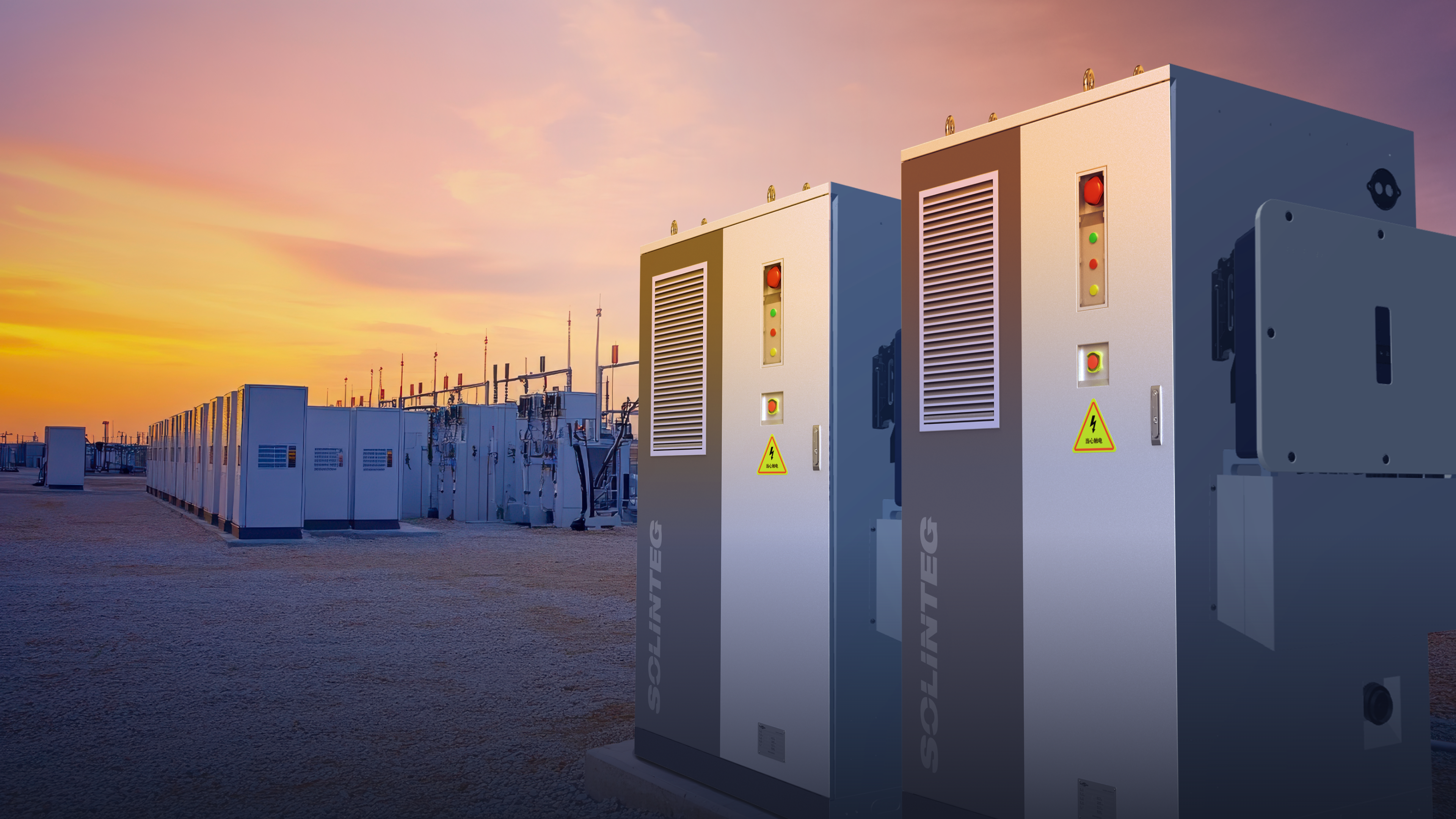
Operational teardown: embedding the right signals
When you perform an operational production teardown, log the exact sequence: BMS health, inverter fault history, thermal gradient maps, and charge/discharge efficiency curves. Embed {main_keyword} and {variation_keyword} into those logs so procurement and engineering teams share a consistent vocabulary. This makes vendor comparisons objective and shortens root-cause analysis cycles.
Tools, telemetry and human factors
Automated alerts must map to human workflows. Create three escalation tiers: immediate isolation for safety-critical alarms, next-day diagnostics for performance degradations, and monthly optimization tickets for efficiency drift. Keep an audit trail that ties each alert to an action. Train at least two on-site staff to execute isolation and soft-reset procedures — redundancy in knowledge reduces MTTR when a vendor is not immediately available. — Small teams can still maintain enterprise-grade uptime with the right checklists.
Three golden evaluation metrics
Use these metrics to evaluate your maintenance program: 1) Available Capacity Retention — percent of nameplate capacity retained year-over-year; 2) Mean Time To Repair (MTTR) — median minutes to restore after a fault; 3) Alarm-to-Action Time — average elapsed time from notification to logged response. Target benchmarks: >95% capacity retention in year one, MTTR under 8 hours for critical faults, and alarm-to-action under 60 minutes for safety events. These give you measurable baselines when negotiating service SLAs or planning replacements.
Maintaining commercial solar battery storage means pairing disciplined field work with concise telemetry, and that operational clarity is where SOLINTEG adds tangible value — streamlined monitoring, hardened site practices, and vendor-agnostic expertise. —
–