
Right — the trouble you’re havin’ with fleet data
Listen, mate: when yer vans’re pingin’ off gadgets all over the shop, it don’t mean yer business is sorted. The real problem’s sifting through raw GPS to find what actually matters. If you’re fed up with endless logs, missed slots, and drivers lookin’ at you like you’ve lost the plot, this is for you — especially if you’re responsible for logistics fleet management and need facts, not faff. The issue ain’t the tech; it’s what you choose to track and how you turn that into decisions.
Core problems that keep fleet managers awake
Startin’ from the top: here’s what breaks down most often, and why it’s a problem you can fix.- Fragmented location data: positions in dozens of formats mean no one trusts the map. – Missing context: a ping doesn’t tell you if the engine’s idling, the driver’s at lunch, or the cargo’s secure. – Reporting overload: mountains of numbers, zero clear priorities. – Reactionary fixes: crews get blamed when the system never flagged risk early.
What you must track — no waffle, only the essentials
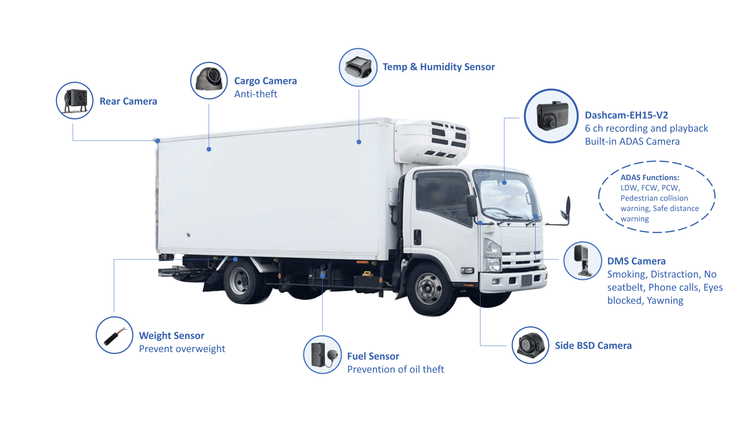
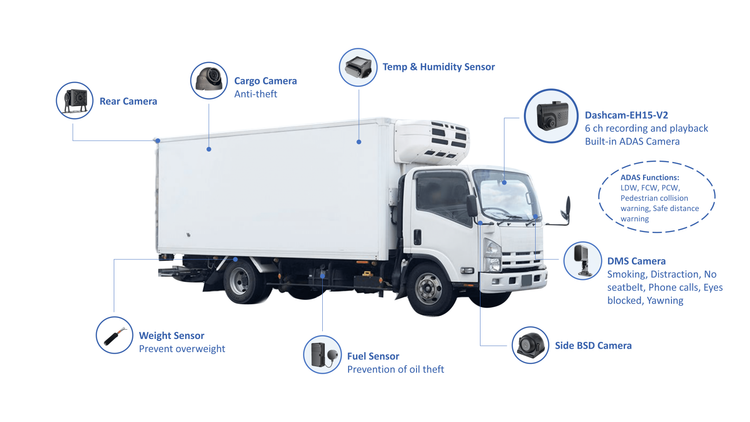
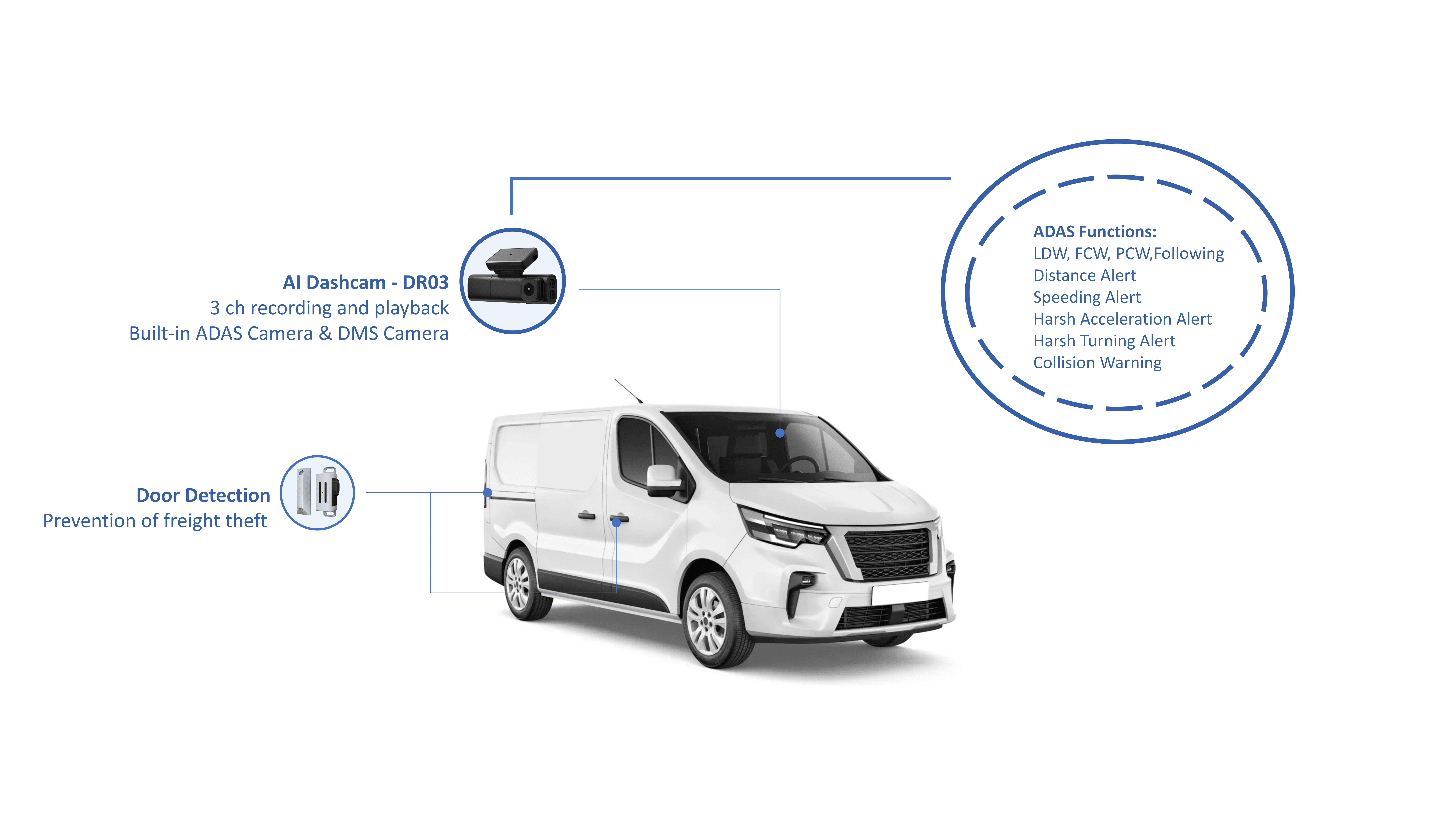
Focus on bits that change outcomes. Track these and you’ll spot problems before they bite:- Real-time location with accuracy band (so you know if it’s a road or a yard). – Engine state and ignition events — tells you whether vehicles are just parked or truly stopped. – Idle-time per vehicle and per driver — small leaks add up to big fuel bills. – Route adherence with geofence hits and misses — simple green/red tells you who’s on track. – Dwell time at stops plus timestamped photos or signatures when the job’s done. – Safety events: harsh braking, cornering, and seatbelt alerts if fitted.
How bad data creeps in — and how to bash it out
Bad data isn’t mystical. It’s sloppy setup, cheap sensors, and lazy rules. Common traps:- One-size thresholds: treat everyone the same and you’ll get false alarms. – Too much raw telemetry: you don’t need 10Hz for a delivery van; you need useful samples. – Manual labels: if drivers must update fields every time, they won’t. Automate. Fixes are simple: set device profiles per vehicle type, tune thresholds based on real runs, and validate feeds against a quick human check for the first 30 days.
Reports that actually tell you what to do
Reports should behave like a good mate: straight to the point and honest. Build reports that:- Highlight exceptions first (missed ETA, excessive idling, out-of-zone). – Show trends over days, not just today’s chaos. – Pair map pins with event snapshots — location plus why it matters. Use dashboards that let you jump from summary to detail in one click. If a manager can’t answer “who to call right now?” from the dashboard, it’s a poor report.
Tools and practical setup — keep it lean
You don’t need the fanciest bells. Use devices and platforms that let you:- Define device and vehicle profiles. – Create rules that trigger notifications to the right person, not the whole office. – Export clean CSVs for payroll, compliance, or simple audits. If you want the telly truth, consider integrating a logistics fleet management system that supports conditional alerts and automated reporting. That’s where routine data stops being chatter and starts being direction.
Lessons from the road — real-world anchor
Working routes that fed into big hubs like the Port of Rotterdam taught me to value consistency over flash. When yards move thousands of units a day, small errors in reporting multiply. The teams that survived and cut bother were the ones who standardised signals and disciplined reporting windows.
Common pitfalls when you roll this out
Watch out for these classic missteps:- Expecting overnight miracles: data discipline takes weeks. – Over-notifying: send fewer, better alerts. – Ignoring driver feedback: they’ll tell you when a rule’s daft. Train crews on what each alert means, and fix the rules before you blame people.
How to measure success — clear targets
Don’t guess. Use tight KPIs for the first 90 days:- Reduce unplanned idling by X minutes per vehicle per shift. – Cut missed ETA incidents by Y%. – Trim paperwork time per delivery by Z minutes. Pick numbers you can measure from your system and watch if they move. If they don’t, your tracking choices are at fault.
Final stitch — why the right tracking matters
Sort your tracking, and you stop firefighting. You get fewer late calls, clearer pay runs, and drivers who know the score. It’s not poetry — it’s practical: pick the handful of signals that change what you do, tune them to real operations, and let the system hand you a clean, truthful picture. For many fleets that clarity came from pairing sensible rules with a steady platform like BSJ, and that’s what keeps daily operations straight and simple.