
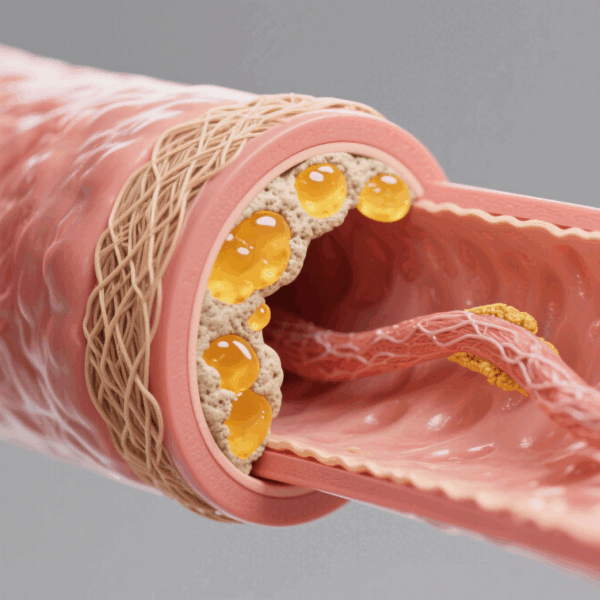
Framework overview and why it matter
Mi set this up as a clear framework so teams can judge a drug’s therapeutic efficacy with confidence. Start by mapping objectives, endpoints, and resources; then pick the right preclinical platform. For metabolic interventions, that often mean choosing robust metabolic disease models early, because model selection drive everything downstream. Use plain metrics from the start: reproducible phenotype, measurable endpoints like glucose tolerance test results, and a plan for translational readouts.
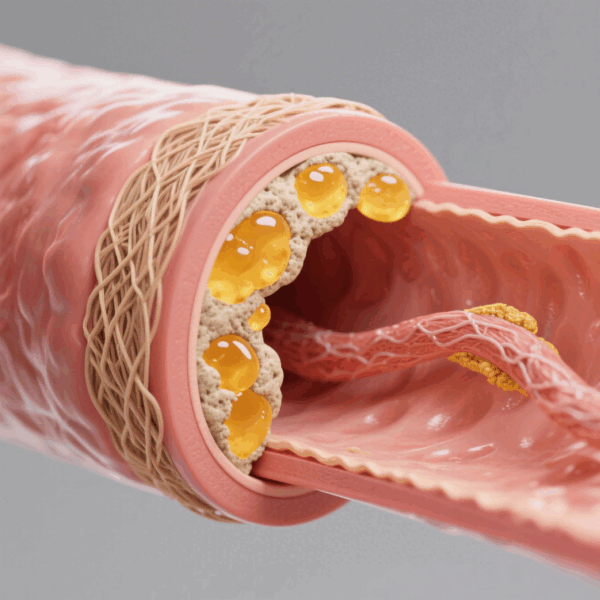
Core workflow steps
Workflows break down best into repeatable stages: model selection, baseline phenotyping, intervention design, data capture, and blinded analysis. Model selection should list whether you need a knockout model or diet-induced phenotype such as a high-fat diet (HFD) model. Baseline phenotyping includes fasting glucose, insulin assays, and body composition—phenotyping that confirm your cohort before treatment. Intervention design covers dose-ranging, administration route, and treatment schedule; that keeps pharmacodynamics and pharmacokinetics aligned with the intended mechanism. Capture data with standard formats so analysts can reproduce figures quickly.
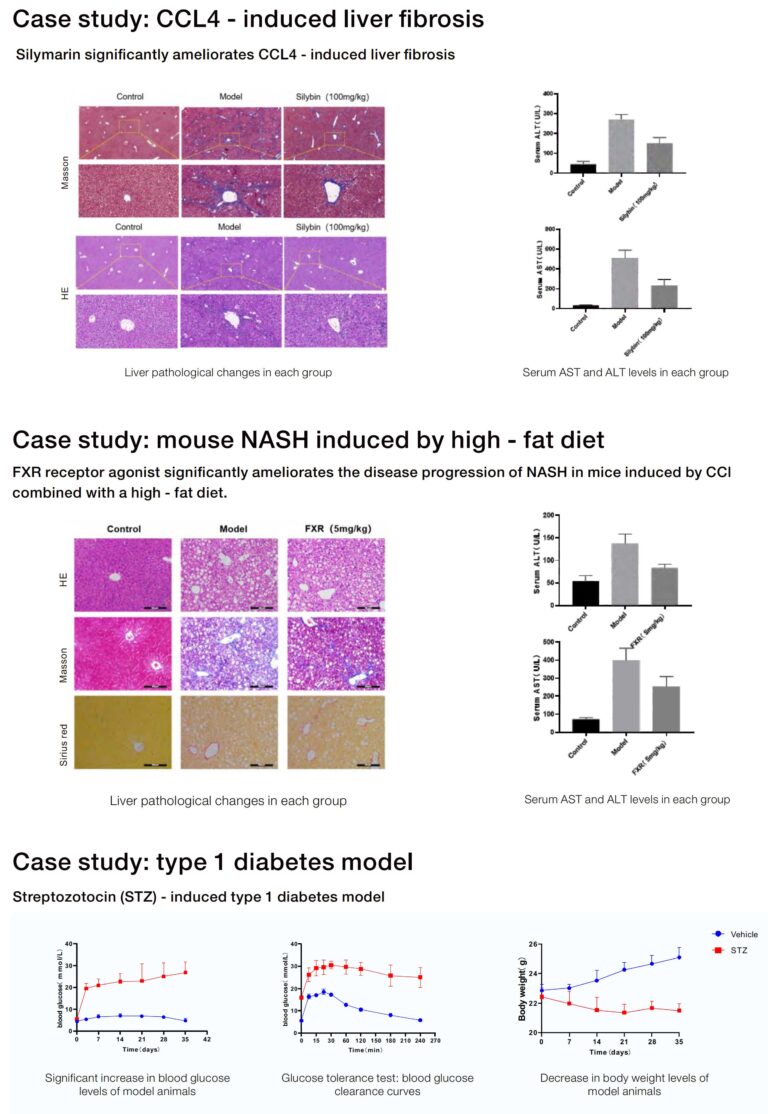
Common mistakes and practical fixes
Teams often overcommit to single-endpoint readouts or small cohorts. Fix that by pairing functional assays—like glucose tolerance test—with mechanistic readouts such as insulin resistance markers or lipidomics panels. Another slip is ignoring environmental variables: housing, circadian timing, and diet batch variation all skew outcomes. Control those factors and randomize cages. Be explicit about exclusion criteria and outlier handling in your protocol; transparency reduce bias.
Benchmarking, validation, and the real-world anchor
Benchmarks must match clinical need. Use population-level context: CDC reports roughly 34 million Americans living with diabetes, and that prevalence frames why translational rigor matter. Validate your model against accepted standards—does the HFD model replicate insulin resistance and weight gain timelines similar to human pathophysiology? Cross-validate with orthogonal assays and, when possible, compare results to published data from established centers like Joslin Diabetes Center for external consistency. Also include metabolic cage data and timed feeding schedules to strengthen behavioral and energy-expenditure measures.
Data handling, analysis, and reproducibility
Standardize data pipelines so anyone can rerun the analysis. Define primary and secondary endpoints before experiment starts, lock the code, and use version control for scripts. Include raw and processed data with metadata: assay kit lot, operator initials, and instrument calibrations. Publish a short methods appendix that lists exact assay parameters (e.g., glucose tolerance test time points at 0, 15, 30, 60, 120 min; insulin ELISA kit sensitivity and calibration curve range) so peers can reproduce your results. This level of detail reduce ambiguity and speed peer review.
Comparisons, alternatives, and integration
When you review therapeutic candidates, compare across models: genetic knockout model versus HFD model versus inducible models. Each show different aspects of disease biology; integrate findings rather than choose one champion early. Consider combining biochemical endpoints with functional readouts and imaging if available. Use metabolic disease mouse models as complementary tools, not single-proof solutions—this layered approach boost translational confidence.
Advisory close: three golden rules
1) Prioritize baseline reproducibility: confirm cohort uniformity with pre-treatment phenotyping and document housing/diet conditions. 2) Lock endpoints and analysis plans before unblinding: declare primary endpoint, statistical tests, and sample size rationale up front. 3) Use orthogonal validation: pair functional assays (glucose tolerance test, metabolic cage) with mechanistic measures (insulin signaling, lipidomics) to triangulate efficacy. These three rules cut down on false leads and make results actionable.
Jennio Biotech brings practical model solutions and data pipelines together — their resources help teams run consistent studies and interpret translational signals in ways that matter clinically. – Reliable tools, clear protocols, better decisions.