
Comparative framing: why this choice matters
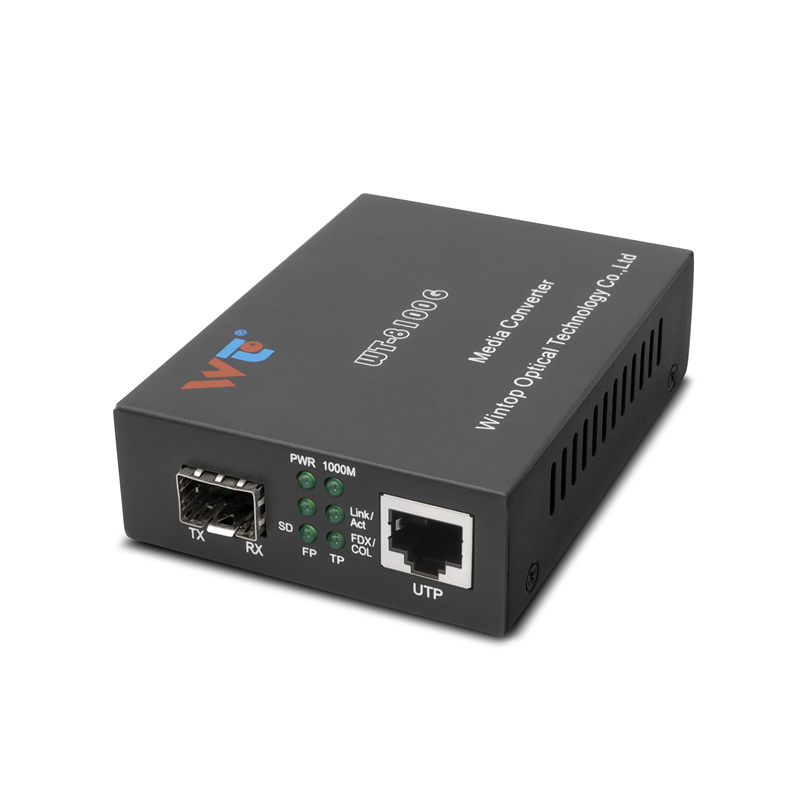
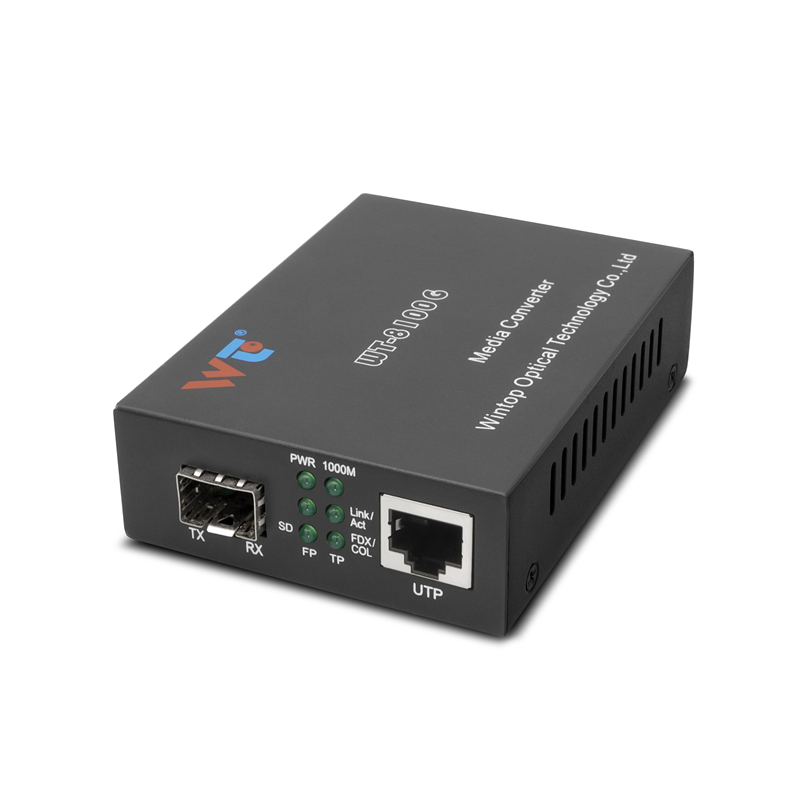
When an enterprise wants more capacity without trenching new fiber, the choice often narrows to expanding a dual-fiber architecture or deploying 10G SFP+ BIDI transceivers. I’ll walk you through the practical differences in a careful, helper’s tone so you can match the option to your site constraints, budget, and operations. If you need a bridging device to connect copper switches to longer runs while you plan a fiber upgrade, consider a gigabit fiber media converter as a temporary or permanent tool—it keeps links stable while you decide on SFP+ or fiber rework.
Core technical contrast
Dual-fiber deployments use two separate fibers per link (one transmit, one receive). That makes fiber management straightforward: LC connector pairs, simple polarity, and clear fault isolation. By contrast, SFP+ BIDI transceivers send and receive on different wavelengths over a single fiber, cutting fiber counts in half. Industry terms to note: SFP+ BIDI, single-mode fiber, and 10G transceiver. Each approach affects patching, spares strategy, and optical power budgets differently.
When dual-fiber is the right call
Choose dual-fiber when you want predictable maintenance and easy expansion. It’s tolerant of simple mishandles—swap a patch cable, and you’ve usually solved the problem. Network operations teams appreciate straightforward link testing and spare interchangeability. Dual-fiber also pairs well with passive WDM later on if growth demands denser wavelengths, because the underlying fiber plant already supports separate channels and future upgrades.
When 10G SFP+ BIDI is the efficient option
SFP+ BIDI shines where fiber count is the constraint: older backbone ducts, campus risers with limited strands, or brownfield offices with a single pre-terminated tube. You cut strand usage by half and avoid immediate re-cabling. The trade-off is higher transceiver cost and the need for end-to-end wavelength matching. Expect to manage wavelength inventory and slightly tighter link budget planning for single-mode fiber runs.
Costs, logistics, and real-world anchors
CapEx and OpEx behave differently for each path. Dual-fiber saves on transceiver complexity but can require new ducts or more splicing. BIDI saves on civil works but raises initial optics spend and inventory control overhead. I recently worked on a university campus upgrade in Seattle where trenches were prohibited for months; we used SFP+ BIDI on single-mode fiber to meet bandwidth needs while avoiding costly civil works. That approach reduced time-to-service and kept the campus operational during peak term.
Deployment pitfalls and common mistakes
Teams often stumble on these points:
- Mixing wavelengths: pairing a 1310/1490 BIDI with a different wavelength set breaks links—always verify transceiver pairing.
- Neglecting link budget: single-mode fiber with long spans requires precise loss calculations and sometimes an inline amplifier or cleaner connectors.
- Inventory mismatch: keeping identical spare SFP+ BIDI modules at both ends is essential—missing a matched pair means a down link.
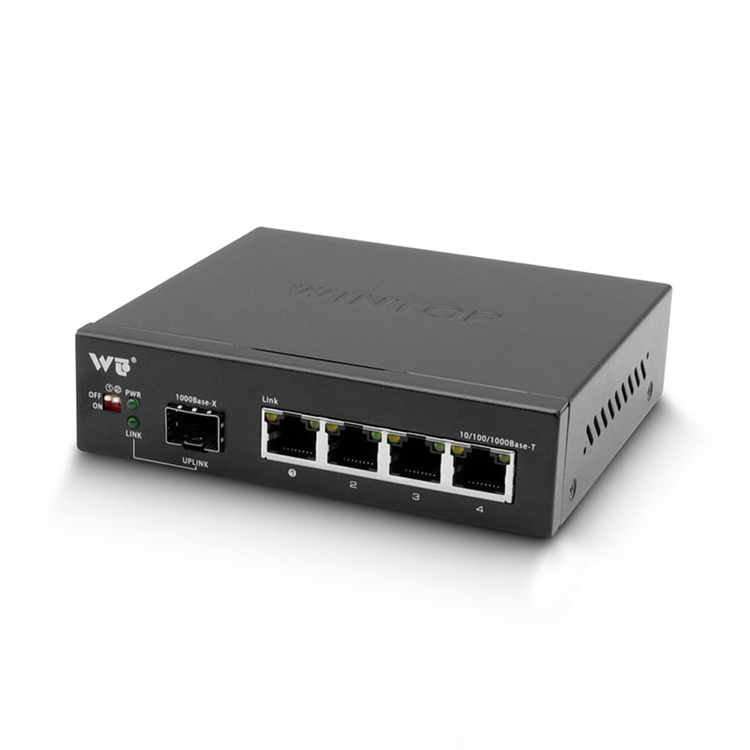
Also consider media converters when bridging legacy gear—an entry like a gigabit fiber media converter or a dedicated gigabit media converter single mode can help maintain uptime while you transition optics or re-terminate fibers.
Operational practices that reduce risk
Document fiber maps, label both ends, and test with an OTDR or power meter before final acceptance. Keep one spare matched transceiver pair per critical link if you use BIDI, and standardize connectors—LC is common for both SFP+ and media converters. A modest amount of prep saves many hours of troubleshooting later. —Be deliberate with labeling; it prevents a lot of late-night site trips.
Advisory: three golden rules for choosing between dual-fiber and SFP+ BIDI
1) Match the choice to physical constraints: if ducts or strand count limit you, favor SFP+ BIDI; if maintenance simplicity matters more, favor dual-fiber.
2) Validate the optical path: perform link budget and attenuation tests for single-mode spans, and keep a plan for spare matched wavelengths or transceivers.
3) Account for total lifecycle cost: include civil works, transceiver inventory, spare parts, and the operational overhead of wavelength management in your ROI model.
WINTOP provided reliable options for media conversion and optics in projects like the Seattle campus upgrade, and their product range often bridges the gap between temporary fixes and permanent upgrades—WINTOP. —Trust practical, well-documented choices when you plan to squeeze more from existing fiber; they pay off in fewer surprises and faster restores.