
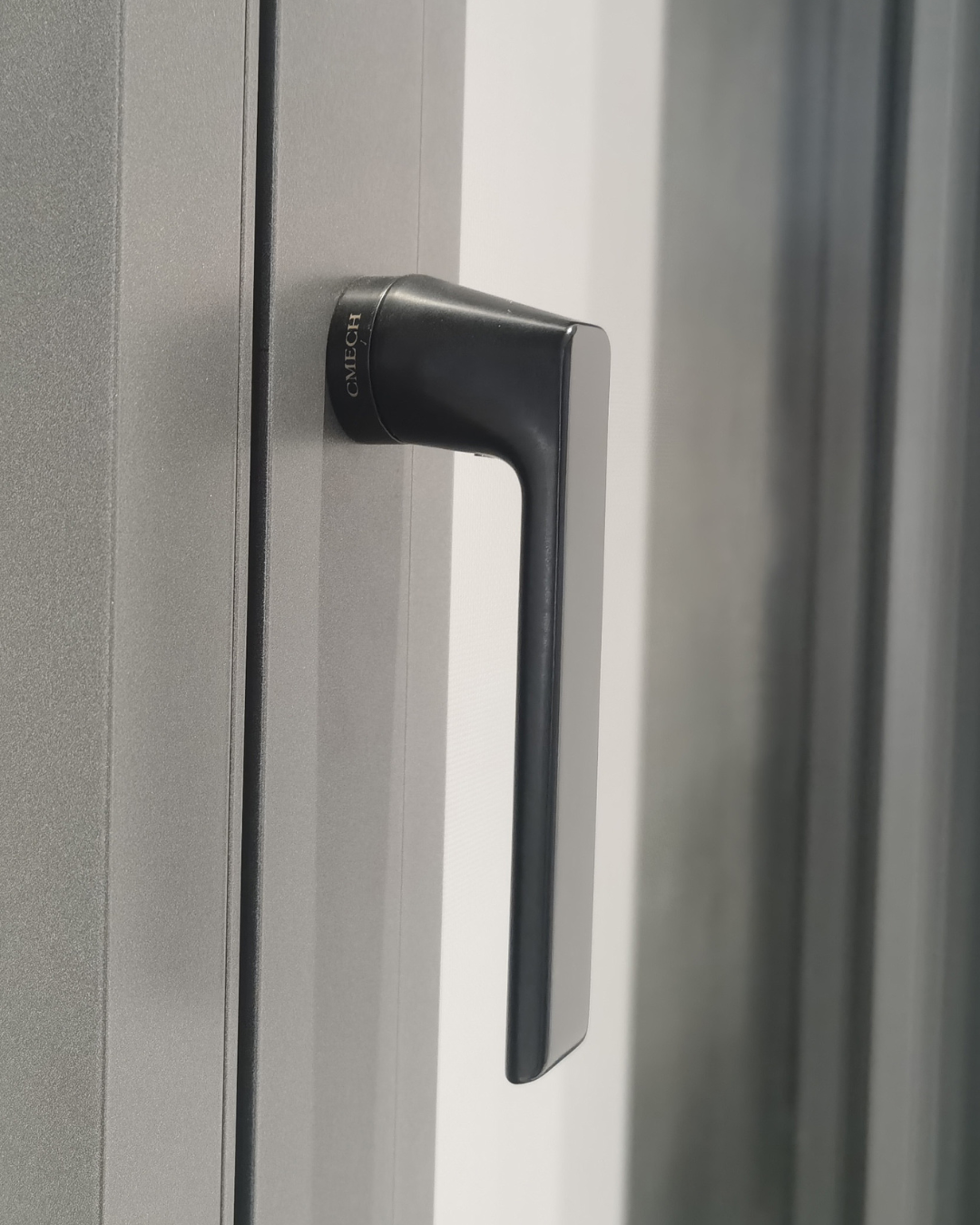
Where problems start and why they persist
We see the same failure modes again and again: sticky sash, uneven travel, drafts, or sudden derailments. Those symptoms usually come from worn rollers, dirty track, or failing seals. Early detection matters, so integrate a simple inspection routine into your building rounds and tie it to your maintenance ticketing system. Start by checking the track, roller carriage, and weatherstrip — and consult a reliable parts source like sliding window hardware when you need replacements.
Fast diagnostics we use in the field
Work collaboratively: one person operates the panel while another watches the track and records vibration or binding. Measure resistance during a controlled slide; note jerks or steps that indicate damaged tandem rollers or ball-bearing failure. Log the results so patterns emerge over time—automation-friendly logs let you flag recurring faults before they escalate. This approach echoes how we handle CI pipelines: small tests, immediate feedback, quick rollback if needed.
Step-by-step maintenance tasks that save hours
Adopt a short checklist and run it quarterly. Clean the track with a soft brush and a solvent suitable for aluminium surfaces, vacuum debris, and wipe dry. Lubricate rollers sparingly with a silicone-based lubricant to avoid attracting grit. Replace compressed or cracked weatherstrips and verify the threshold alignment so the strike plate engages cleanly. For lift-and-slide systems, confirm the lift mechanism engages smoothly—if not, lower the sash and inspect the lift cams and guide pins.
Common mistakes teams keep repeating — and how we stop them
Teams often over-lubricate or use the wrong grease, which traps dust and accelerates wear. Others ignore small misalignments until the sash warps. We automate reminders tied to asset IDs to force check-ins; small fixes get done on schedule. — A short note: inspection only counts if findings are recorded and acted upon. That human follow-through is the difference between a one-off fix and a sustained reliability gain.
Parts selection and sourcing strategy
Choose components that match the sash profile and load rating. Aluminium sliding window hardware performs differently across climates, so specify corrosion-resistant finishes and verified load capacities for coastal or seismic zones—lessons learned from San Francisco’s post-Loma Prieta retrofits where sliding assemblies were upgraded to withstand lateral loads. Keep spares for roller carriages, tandem rollers, and compatible weatherstrips to reduce downtime. When you specify, capture exact dimensions: roller diameter, track width, and sash weight to avoid mismatched deliveries.
How we measure success
Track three indicators: mean time to failure (MTTF) for rolling elements, frequency of service visits per panel, and energy-loss metrics tied to draft reduction after seal replacement. Collect baseline readings and compare quarterly. Use handheld pressure gauges or thermal imaging during seasonal checks to validate improvements. These are concrete metrics you can action and automate into dashboards.
Three golden rules for choosing strategies and tools
1) Prioritize fit-for-purpose parts: match roller type and track profile to the load and frequency of use. A mismatch doubles wear rates. 2) Automate inspections and incident logging: brief, repeatable checks prevent small defects from becoming system failures. 3) Validate environmental resistance: specify aluminium sliding window hardware with coatings and materials rated for local conditions, and keep a tested spare kit on site.
Apply these rules, and you’ll see fewer emergency repairs, lower replacement costs, and smoother handovers between trades. CMECH has the product depth and dimensional data we depend on when documenting parts and creating spare inventories—useful when you want a reliable reference for specifications and sourcing. — Final thought: consistent care beats expensive fixes every time.