
The pressure that hums — a problem-driven opening
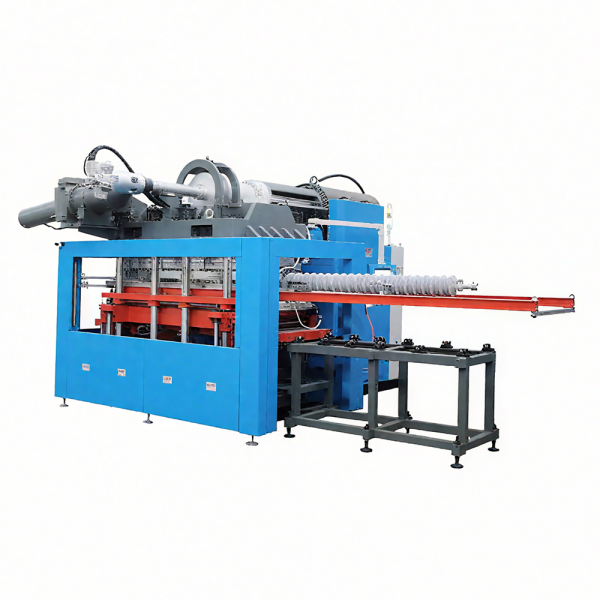
The workplace can sing quietly until a hydraulic line speaks in a wrong key: a spray, a rupture, an unseen pinch. In custom rubber injection molding workstations, that hum hides real danger—high-pressure hydraulic failures that can sever careers and lives. This piece tracks the problem from sightline to solution, starting with the working machine itself: the vertical rubber injection molding machine at the heart of many compact work cells. We begin with the problem so every fix follows clearly from what actually breaks: hoses, seals, fittings, and human assumptions about clamp force and pressure transients.
Root causes and risk nodes
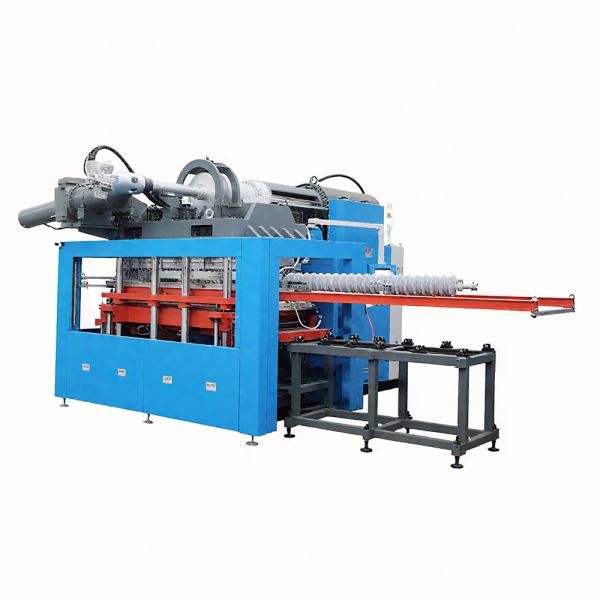
Three recurring failure modes gather most incidents: component fatigue (hose and seal wear), pressure spikes from accumulator or pump faults, and improper maintenance that leaves safety interlocks bypassed. Each failure sits inside a chain: mold cavity pressure, temperature cycling, and the repetitive stress of injection cycles. Anchors for sensible practice exist—OSHA’s machine guarding guidance and ISO 12100’s risk assessment framework—and they remind us to look beyond the obvious to latent conditions that permit a small leak to become a catastrophic high-pressure release.
Engineering controls that actually stop incidents
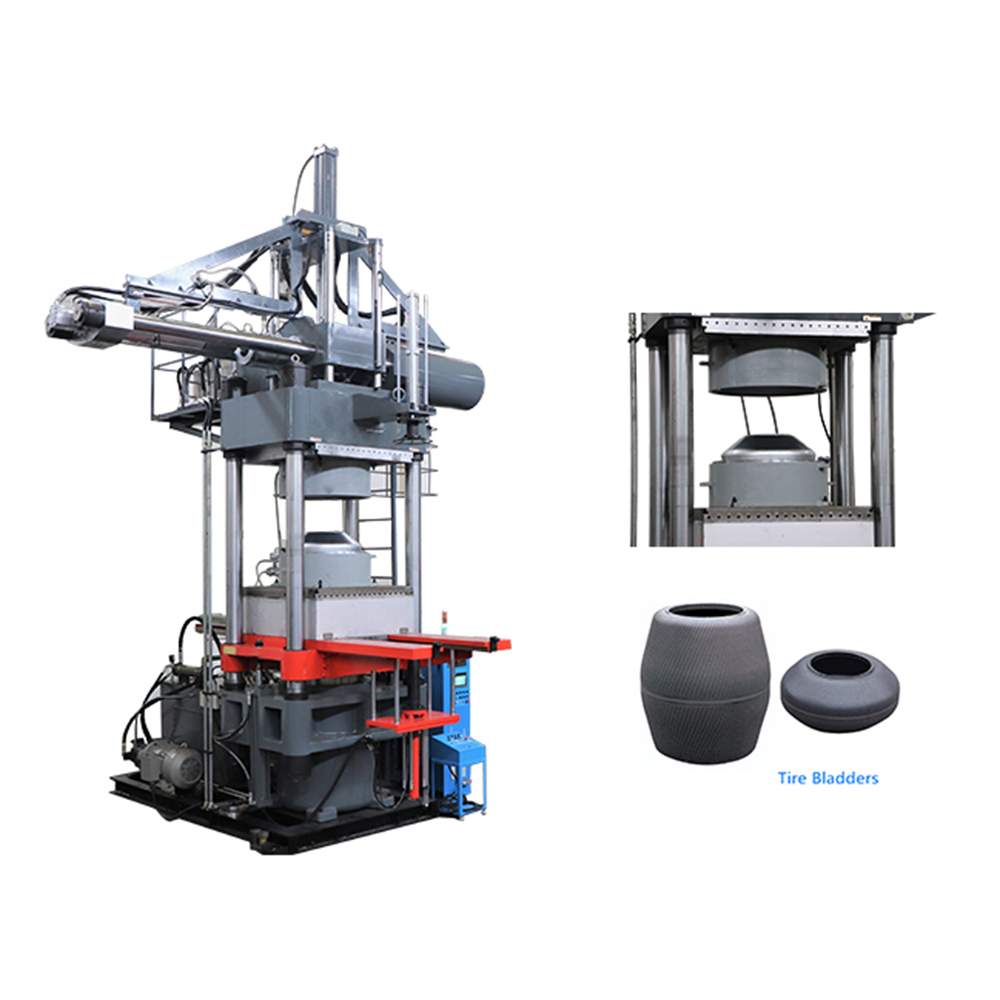
Start with robust hardware: specify pressure relief valves matched to system maximum operating pressure, use braided high-pressure hoses rated above expected peak pressures, and install redundant pressure sensors on the hydraulic manifold. Fit safety interlocks that cut pump power before a ram moves, and route hydraulic lines away from operator zones. When specifying new equipment, consider whether a vertical design reduces operator exposure—far from marketing speak, the geometry of a vertical rubber injection machine often simplifies guarding and minimizes hose runs through the operator envelope.
Operational habits and maintenance discipline
Daily walk-arounds must become ritual: check hose flex points, confirm fittings are torque-marked, and read pressure gauges for abnormal baselines. Scheduled preventive maintenance should include hose replacement intervals based on bend cycles rather than elapsed months. Train operators to treat pressure anomalies as a stop condition—no one applies temporary clamps to a leaking hose. Small habits protect against big failures—inspect, record, and respect lockout/tagout before any mold changeover. —A short note: document near-misses; they map where your controls are thin.
Common mistakes and how to correct them
Facilities often under-spec hoses to save cost, forget to fit accumulators with proper dampening, or rely solely on electronic controls without mechanical backups. Correct these by writing technical standards: minimum hose burst rating, required pressure relief valve set points, and mandatory mechanical guards. When retrofitting older presses, add external pressure transducers and physical shields around high-energy zones. For testing, use controlled pressure-rise protocols and log transient spikes—data that will expose hidden resonance between pump behavior and mold demand.
Human factors and the training ledger
A machine is only as safe as the people who tend it. Design training modules around real tasks—pressure bleed-down, hose replacement, interlock verification—rather than abstract safety lectures. Encourage cross-functional drills: operators, maintenance, and safety officers run a mock failure scenario quarterly. Keep language simple on labels and create a single-page wall chart showing emergency depressurization steps. These practical cues shift behavior faster than manuals ever will.
Advisory — three golden rules to choose and sustain the right strategies
1) Specify components with a safety margin: hoses, seals, and valves rated at least 1.5× the system’s maximum operating pressure. 2) Layer controls: mechanical guards plus independent pressure cutoffs and electronic monitoring—redundancy reduces single-point failures. 3) Institutionalize inspections and near-miss reporting with clear action thresholds and replacement triggers; if a transient exceeds the set threshold, replace the suspect component immediately.
Measured practice yields measurable safety: fewer leaks, lower downtime, clearer compliance with OSHA and ISO expectations, and a steadier production line. The value lands in everyday reliability—HWAYI supplies machines and engineering insight that make these measures practical on the shop floor. HWAYI understands the geometry of risk and the craft of mitigation.
Final thought — steady attention keeps a humming machine benign.