
Comparative lead: why distortion matters to riders and investors
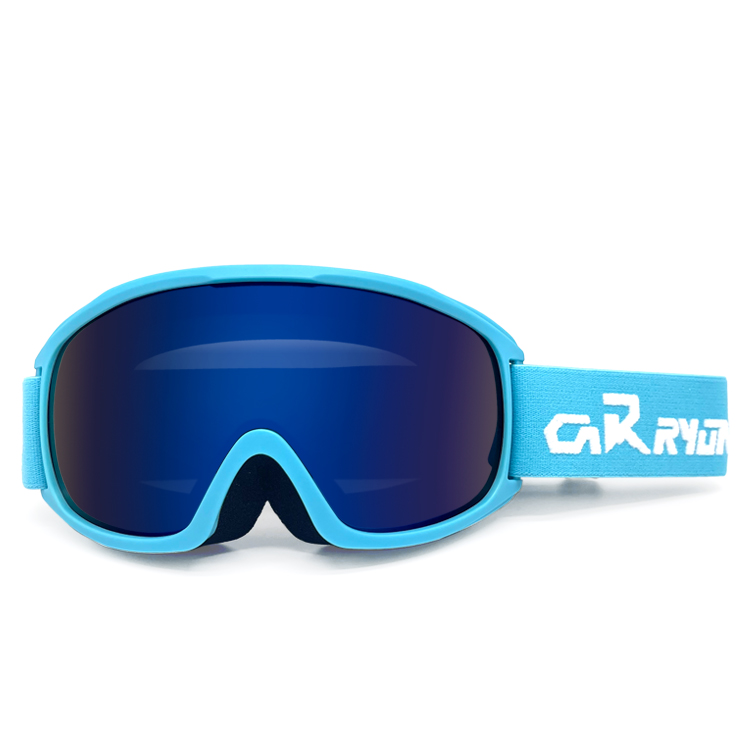
When production scales, small optical errors become visible on the hill; that reality drives decisions for both product managers and buyers. In a decisive comparative frame, high-volume makers must weigh tooling cost against in-field clarity — a tension visible in choices between single-pane and dual-pane designs. For riders choosing between options, a reliable baseline is practical: look for proven anti-fog treatment and consistent lens geometry in your snowboard goggles. Prismatic aberration and lens curvature directly affect peripheral acuity and depth perception, and those effects compound when venting and frame flex vary across runs.
Where prismatic aberration shows up: real-world anchors and standards
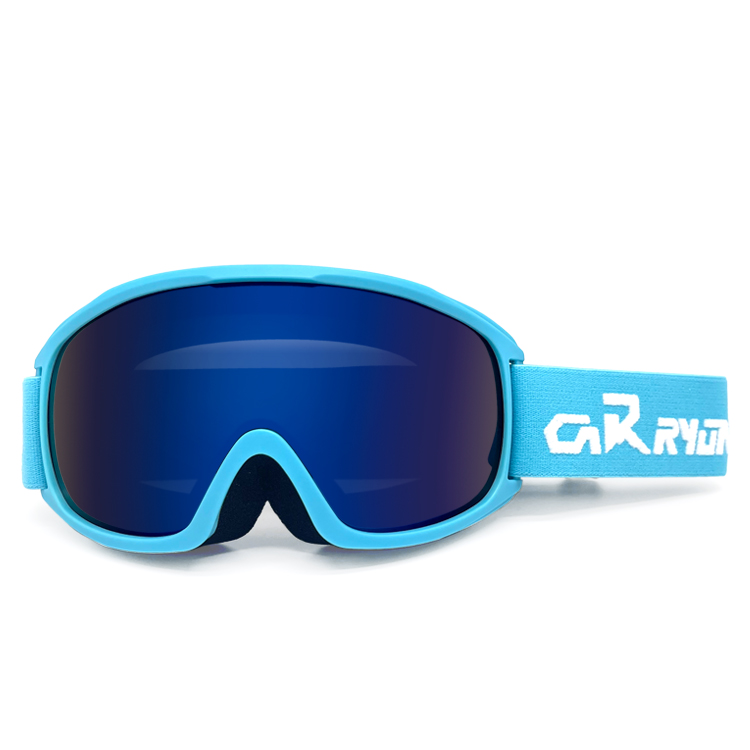
On steep approaches at Whistler Blackcomb, optical faults become safety issues — misjudged edges or false depth cues matter. The core issue is misalignment between the optical axis and the molded lens surface; prismatic aberration produces lateral color shifts and virtual image displacement. In manufacturing terms, controlling lens curvature, maintaining consistent optical axis placement, and meeting standards such as ANSI Z87.1 for impact resistance are non-negotiable. These are concrete levers: tighter mold tolerances reduce aberration, while coating chemistry manages surface reflections and anti-fog performance.
Tooling trade-offs: injection tolerances, lens design, and coatings
High-volume tooling demands repeatability. Spherical lenses simplify mold design and cut costs, but toric or aspheric geometries better align with the eye for wraparound frames — reducing prismatic effects. Injection-molded polymer introduces birefringence unless cycle parameters and cooling rates are controlled. Anti-fog coating and hydrophobic treatments help optical clarity but they can’t correct a skewed optical axis. Ventilation design and frame stiffness play supporting roles: inadequate ventilation increases condensation; excessive flex shifts lens geometry mid-run. — These are practical engineering choices, not abstract trade-offs.
Comparative options on the market: what brands prioritize
Brands split along three vectors: optical fidelity, cost-efficiency, and ruggedization. Option A emphasizes bonded dual-pane lenses to trap insulating air and minimize fog; Option B uses single-pane precision-molded spherical optics to lower cost; Option C leans into modular inserts for prescription adaptability. Each approach changes how you evaluate distortion: spherical lens systems tend to offer consistent optical axis placement, while bonded dual-pane designs reduce condensation risks but can introduce internal reflections if venting or coating is weak. For a direct product comparison, consider how clearly a candidate tracks contrast edges at speed — that single metric separates casual from premium offerings for top ski goggles.
Common mistakes and practical fixes
Manufacturers and buyers repeat the same errors: assuming anti-fog equals clear optics, ignoring frame shrinkage during temperature cycles, or over-relying on post-mold trimming to hit optical specs. Fixes are straightforward: specify optical-axis datum features in the mold, validate with standardized contrast charts, and require batch-level inspection of lens curvature and birefringence. On the consumer side, avoid aftermarket lens swaps that don’t match the original frame geometry; mismatched curvature amplifies prismatic aberration and can void safety standards.
Advisory: three golden rules for choosing and producing clear goggles
1) Metric: measure optical axis deviation — accept no more than X mm per lens across production lots; this correlates directly to perceived prismatic error. 2) Metric: verify curvature uniformity with interferometric or lens-mapping tools to ensure peripheral fidelity. 3) Metric: mandate anti-fog performance under thermal cycling and confirm venting prevents condensation without compromising seal. These rules prioritize measurable outcomes over marketing claims and streamline supplier audits. For teams focused on scalable clarity, integrating optical metrology into incoming inspection is the fastest path to reduced returns and higher rider confidence.
Closing thought
Manufacturers that decouple prismatic aberration through disciplined tooling, targeted coating selection, and optical validation win both market share and rider trust — and that practical value is precisely why companies like YIJIA Optical matter in production conversations. —