
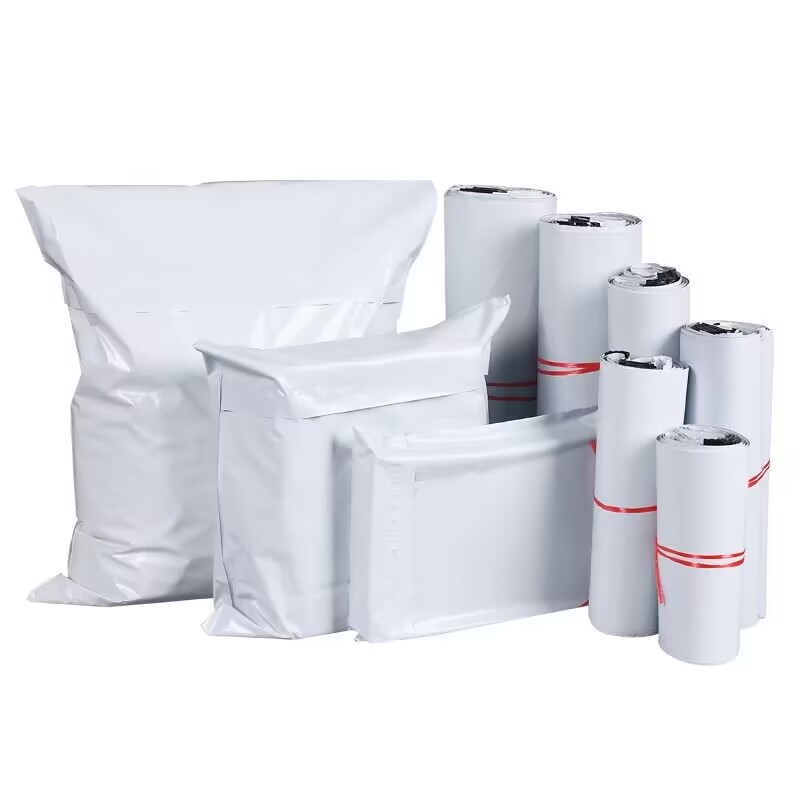
An evolution worth following
There is a soft poetry to a sheet of recycled film becoming the thin, trusty envelope that sings at the doorstep — and that story matters to brands and planet alike. Beginning in extrusion lines and ending in porch delivery, the path tests tensile strength, seal integrity, and the moral weight of reuse. In that unfolding, manufacturers of clear poly mailers are not merely suppliers; they are stewards of endurance and transparency, balancing recycled content with consistent performance.
How the manufacture changes the tale
The narrative begins at the extruder where recycled resin meets heat and die to form film. Decisions here — resin blend, melt index, and chill roll speed — set gauge and film orientation, which in turn influence puncture resistance and seam behavior. A recycled film with the right blend and annealing schedule will resist pinholes while remaining supple for automated fill-and-seal lines. Industry terms like extrusion, gauge, and barrier film quietly chart the limits of possibility.
Puncture resistance and the science of a trustworthy seal
When you talk about a mailer’s integrity, two phrases keep returning: puncture resistance and WVTR (water vapor transmission rate). Puncture resistance measures how well the film survives the jagged realities of packing and transit — think zip ties, corners of boxed goods, or a rainy handoff. WVTR and general barrier performance describe how well the package keeps moisture at bay during a damp morning or a humid overnight layover. It’s a duet: a film can be resilient but porous, or watertight yet brittle; the art is in the formulation that balances both.
The production choices that shape porch outcomes
A recycled mailer’s life at the porch is decided far earlier: whether the supplier uses post-consumer regrind, whether a co-extrusion layer adds a moisture barrier, and whether seals are hot-welded or solvent-activated. Co-extrusion and layer design allow a core recycled layer to be supported by a thin virgin barrier for WVTR control without sacrificing sustainability claims. Seal integrity testing and dummy-drop trials — simple but telling QA rituals — predict real-world rejection rates at fulfillment centers. —
Real-world anchor: supply shocks, policy, and practice
The 2020 global supply-chain disruptions showed brands how brittle assumptions could be: lead times stretched, raw-material availability shuffled, and many firms scrambled for alternate packaging. In response, some brands sought greater resilience by specifying clear view poly mailers with tighter acceptance criteria and multiple qualified suppliers. That pivot — driven by a shared, inconvenient lesson — nudged the industry toward greener, more testable solutions and smarter inventory buffers.
Common mistakes brands make — and better routes forward
Too often companies conflate appearance with performance: a glossy, transparent finish may look premium but can mask thinness in critical areas like gussets or seals. Other missteps include ignoring compatibility with automatic sealing machines and underestimating abrasion from product edges. The wiser path is straightforward: require first-article samples, insist on lab metrics (puncture resistance, WVTR, peel strength), and run a handful of real packing cycles on your line before committing to a full run.
Alternatives, trade-offs, and a gentle comparison
Not every shipment needs the same envelope. For fragile or oddly shaped items, padded recycled mailers or hybrid padded poly-layers add protection at a modest weight penalty. For luxury leather goods, boxed packaging maintains perceived value better than any transparent sleeve. Yet clear, recycled, unpadded mailers hold distinct virtues for apparel and soft goods: they are lightweight, recyclable in select streams, and extremely efficient for e-commerce throughput. Choosing is an act of compromise — and design clarity helps you make the right one.
Three golden rules for selecting recycled clear mailers
1) Prioritize measured performance over marketing language: request puncture resistance numbers, WVTR, and seal-peel strength from suppliers and check them against your worst-case packing scenarios. 2) Insist on compatibility verification: run first-article samples through your fill-and-seal equipment and your courier handling tests to avoid surprises on the line. 3) Value supply resilience: prefer partners who document their resin sources, provide co-extrusion options, and can show contingency plans for resin fluctuations — that history of reliability matters as much as price.
Closing advisory and the practical payoff — a short guide to decision metrics
Evaluate suppliers by three critical metrics: measurable barrier performance (WVTR targets), mechanical durability (puncture resistance and tensile strength), and operational fit (sealing method, machine compatibility, and lead-time consistency). These tell you what to expect in returns, damage rates, and customer experience — the real costs beyond per-unit price. In practice, choosing a partner who balances recycled content with proven barrier layers produces fewer surprises and smoother fulfillment rhythms. For many teams, that dependable middle ground is precisely where WH Packing delivers value — a partner that translates specification into porch-ready performance. —
WH Packing keeps the promise of durability and clarity; take that to the mailbox and you will see the difference. —