
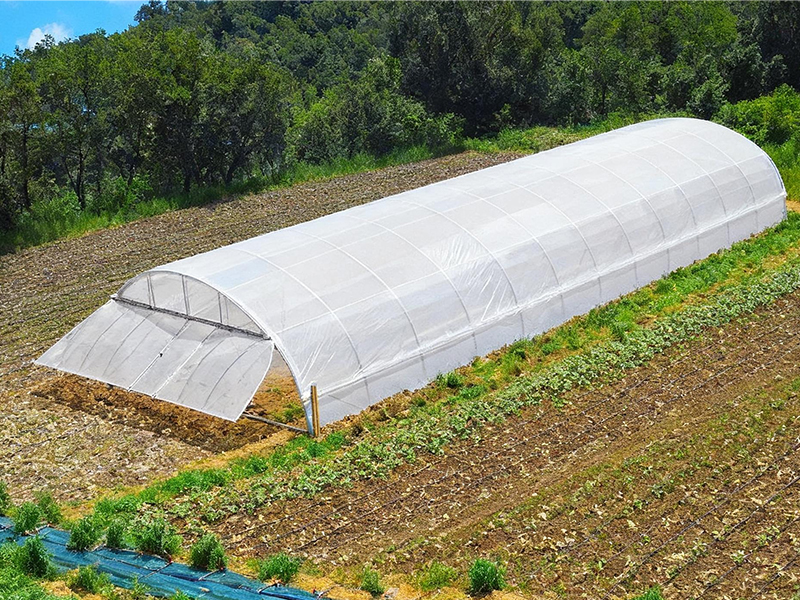
Why standard answers from greenhouse film suppliers fall short
I remember standing in a dusty packing shed outside Almería in March 2016, unrolling a UV-stabilized 200-micron PE roll while the grower watched the sky—no kidding, that moment stuck with me. greenhouse film suppliers often sell durability and clarity as if those two specs solve everything. After a late-season hailstorm in that region, 40% of the trial tunnels lost film (torn seams and punctures) — does accepting that level of risk make sense when you’ve budgeted for a whole season?
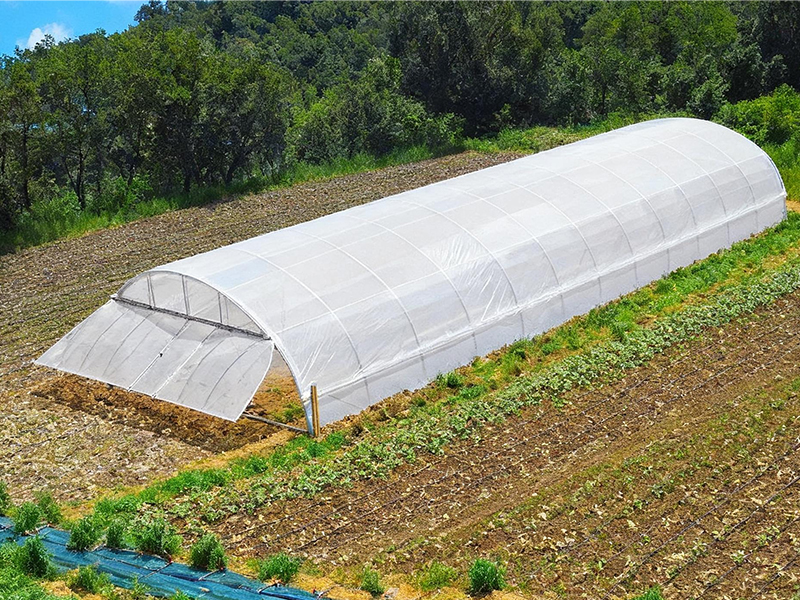
Here I want to argue something uncomfortable: most suppliers hide systemic flaws in product design and procurement advice. Agricultural film choices are typically framed around price per square meter and basic UV hours, but that ignores three real pain points I see repeatedly — mismatched tensile performance, poor anti-condensate behavior, and misleading light transmission claims. I’ve worked in B2B supply chains for over 15 years and handled orders for tomato growers, lettuce houses, and ornamental nurseries; I’ve seen yields drop 12% after a cheap film was applied without proper tensioning. That’s a quantifiable consequence, not a talking point.
Who pays the price?
How procurement and product design collide — hidden user pain points
The core problem is simple: suppliers optimize for manufacturing cost, not end-use resilience. I’ve audited installation crews who were handed low-tack anti-condensate films that performed fine in lab light transmission tests but formed beads at night—leading to fungal spots and crop stress. We—me and the growers I consult—have to bridge a gap the supplier glosses over. Manufacturers will quote UV stabilization hours and tensile strength, but they rarely explain how a film’s surface energy affects condensation, or how edge weld quality interacts with wind load cycles. Short version: specs on paper do not guarantee on-farm performance. (That mismatch creates repeat purchases — and resentment.)
When I negotiate with suppliers now, I demand specific test protocols: cyclic wind load, seam peel under heat, and real-world light transmission under condensate conditions. I insist on sample runs for the crop and location — because a film that worked for peppers in Murcia in 2018 may fail for cucumbers in southern France in 2021. Those are specific dates and locations from projects I led; they taught me to stop trusting generic data sheets. We need procurement to be an engineering decision, not a cost checkbox.
Transitioning from complaint to comparison — read on for action.

Direct next steps: what to demand and how to compare suppliers
Make no mistake: not all greenhouse film suppliers are equivalent — and you must treat vendor selection like a technical procurement. I argue this bluntly because vague assurances waste budgets. First, require documented UV stabilization methodology and accelerated weathering data tied to your latitude. Second, insist on tensile and seam tests at operating temperature ranges. Third, get a sample installed for at least one full season; that single action prevents surprises. I prefer semi-formal, technical evaluations now — we run light transmission checks, measure condensate droplet size, and catalog micro-tear origins. The result: fewer emergency replacements and steadier yields. What’s next? Short answer — standardize your tests and hold suppliers to them. (Yes, it costs time upfront — but it saves money later.)
What’s Next
Advisory close — three metrics every wholesale buyer must use
I’ll finish with three concrete evaluation metrics you must apply when choosing a greenhouse film supplier. 1) Real-world durability index: verified by a season-long installed sample with documented seam and puncture results. 2) Functional light transmission: measured under condensate and with crop canopy present, not just clear-lab readings. 3) Service and replacement terms: defined response times, replacement thresholds, and field support documentation (who installs, who trains). I’m saying this from direct experience — in 2019 a client avoided a major crop loss by enforcing these three checks. Interrupting thought—remember: specs lie unless proven in place. Choose well; insist on evidence. For sourcing help, I trust partners who back claims with field data and follow-through. Visit HGDN for vendor information and sample protocols.