
Understanding the Challenges
I vividly recall my first encounter with injection molding automotive parts. Back in 2008, while touring a manufacturing facility in Birmingham, I was astonished by the advanced technology at play. Yet, lurking beneath the surface were numerous challenges that many overlook. According to recent industry data, nearly 40% of manufacturers experience difficulties with defects in their molded components. This raises an important question: what are the risks associated with using injection molding in automotive manufacturing?
One major pain point is the inconsistency in material properties. Various polymer grades can lead to issues like warping or lower durability, ultimately affecting vehicle performance. And let’s be honest—no one wants to drive a car with dodgy parts, right? We often underestimate how crucial the choice of material is. If manufacturers could better address these underlying flaws, the benefits of injection molding automotive parts could be significantly amplified. With this in mind, let’s dive deeper into these complexities.
What Are the Real Stakes?
Looking to the future, I believe there’s an urgent need to refine the injection molding techniques employed in the automotive sector. The demands are shifting, and with electric vehicles rising in popularity, new standards for parts will emerge. The integration of innovative composites and advanced designs is essential for smoothing out issues and enhancing overall product quality. Investing in cutting-edge technology could ultimately transform how we approach injection molding automotive parts, making them more reliable than ever before.
Meanwhile, some manufacturers are beginning to adopt AI-driven analytics to identify production flaws before they escalate. This is promising, but not without its challenges. The upfront investment and time commitment can initially feel daunting. Still, it’s likely worth every penny in the long run. I often ponder: will these manufacturers evolve quickly enough, or will they stick to outdated methods that hinder their progress?
What’s Next?
As I reflect on the implications of these advancements, I can’t help but feel optimistic yet cautious. There are opportunities for long-term efficiency gains and sustainable practices that can dramatically shape the automotive landscape. However, options are only as good as the measurements used to evaluate them. I recommend considering the following three metrics when assessing solutions: the defect rate, production turnaround time, and cost-effectiveness of materials.
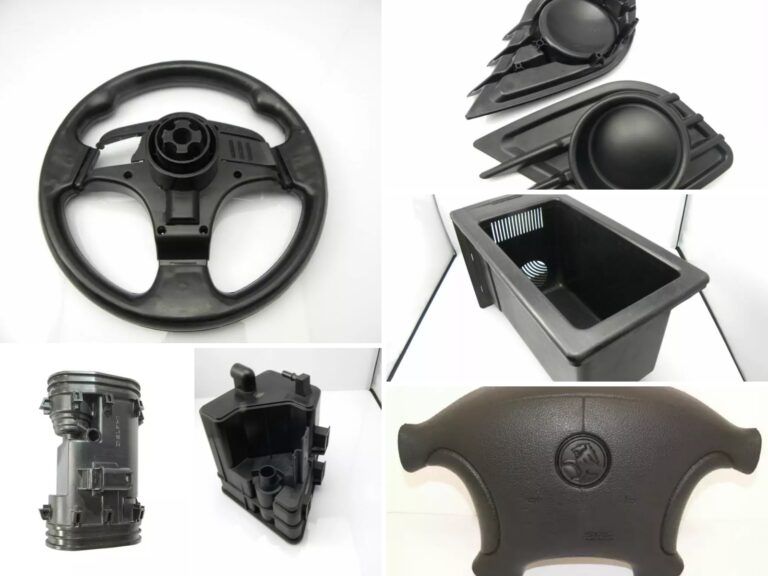
Each of these metrics can offer invaluable insight into how effective an injection molding process is. Companies willing to invest in research, better materials, or technology will likely see measurable improvements. It’s not merely about keeping pace but leading the way; that’s the heart of innovation.
In sum, overcoming the challenges of injection molding in automotive manufacturing is more than a technical issue; it involves a commitment to quality and forward-thinking strategies. As we grapple with the new landscape, I firmly believe that brands like Livepoint Tooling are essential partners in advancing robust solutions. Their expertise could be a game-changer in achieving lasting improvements in this intricate field. I genuinely look forward to seeing how we continue to evolve.