
Start with what matters to you
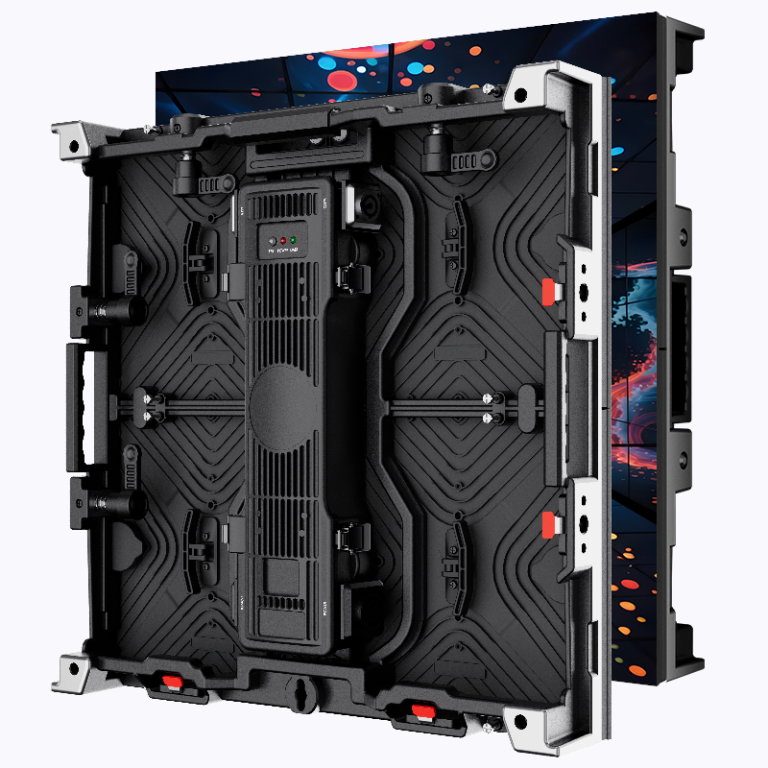
When deciding on an outdoor LED solution, focus on visibility, durability, and ease of use. Think of the display as part of your venue’s daily operations—whether it’s a storefront, stadium, or pop-up stage. Early on, check options like a Stage LED Screen for modularity and quick rigging. Preparing this way saves time on installation and reduces surprises during launch.
Match specs to location and audience
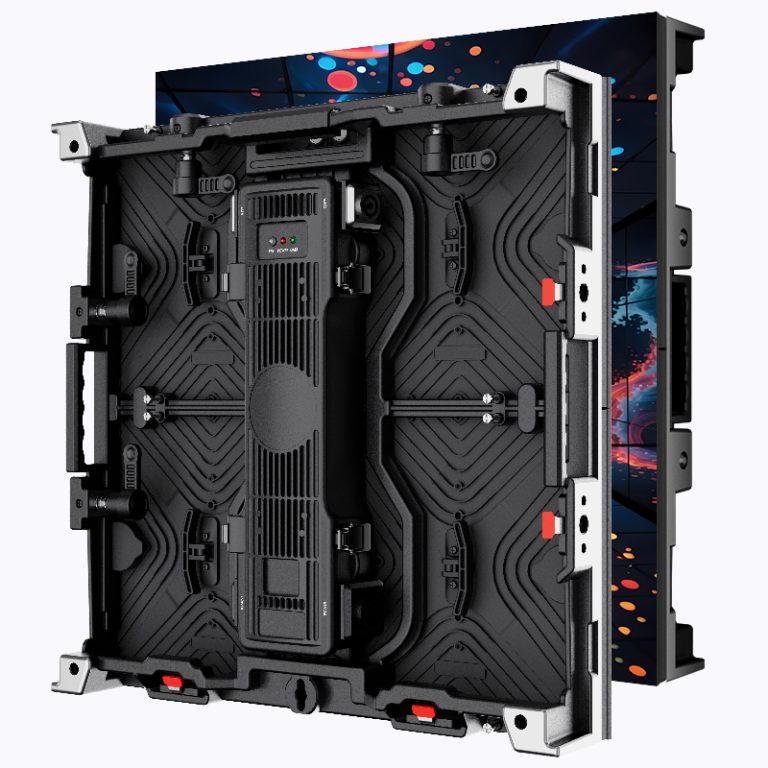
Site conditions drive technical choices. For bright daylight spaces pick higher brightness measured in nits, and consider a tighter pixel pitch for close viewing distances. If your audience stands 20–50 feet away, a 6–10 mm pixel pitch often balances clarity and cost. Also verify IP rating for weather resilience and ensure your LED cabinet design supports efficient airflow and servicing. These factors control long-term clarity and uptime.
Practical installation checklist
Plan power, mounting, and sightlines before the first shipment. Confirm structural load limits and plan cable paths so technicians don’t improvise on the fly—this reduces field errors. Pay attention to refresh rate and color calibration during setup; poor calibration makes motion look stuttered under camera capture. For outdoor rigs, add anti-glare measures and a maintenance access plan so crews can swap modules quickly.
Common mistakes and how to avoid them
One frequent error is oversizing for effect rather than function—big isn’t always better if your content won’t use the extra resolution. Another is underestimating ambient light; a display rated at 3,000 nits might still struggle against direct sun if placement is wrong. Don’t skip running a camera test during commissioning—on-screen motion and broadcast cameras reveal issues that the naked eye can miss. Also, be mindful of local sign regulations and sightline obstructions from trees or street furniture—these matters tie directly to permit approvals.
Content strategy and technical finesse
Create templates sized for the display’s native resolution and optimize video for the display’s refresh rate to avoid judder. Use layered content—static, animated, and live feeds—so message timing stays flexible. When working with HDR assets, test on the installed screen; color mapping on the fly can shift skin tones or brand hues. For event stages, integrate LED with stage lighting cues; sync frame rates to avoid flicker on broadcast feeds.
Maintenance, teardown, and operational notes
Routine checks cut failure risks: clean filters, confirm grounding, and run module diagnostics monthly. During an operational production teardown, technicians should document thermal readings, pixel failure logs, and backup power tests. They’ll check {main_keyword} and {variation_keyword} against those logs to confirm specs match field performance. Keep spare modules and a field tool kit on site to reduce downtime.
Real-world anchor and cost perspective
Look at Times Square: those huge facades are engineered for continuous operation, high brightness, and visual impact, but they also show where superior planning pays off—permits, power, and structural supports add predictable costs. For most commercial projects, weigh one-time installation and recurring maintenance against measurable outcomes like footfall, ad impressions, or ticket sales uplift. Use a realistic payback horizon rather than a best-case scenario.
Choosing the right product
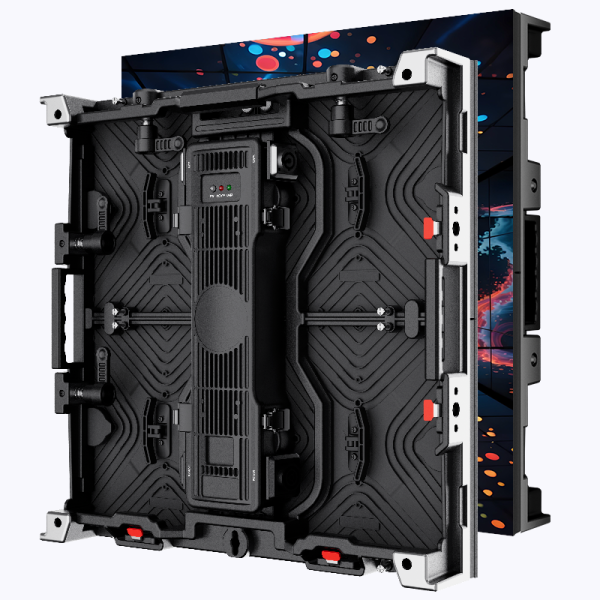
Evaluate suppliers on product transparency, spare-part availability, and response SLA for field service. Inspect sample cabinets for build quality and test a live patch before committing. If you need a versatile solution that moves between venues, prioritize modular framing and quick-lock rigging. For permanent façades, focus on thermal management and IP-rated seals. Consider a demo with a large led display screen to verify performance in your actual environment.
Final checklist: three evaluation metrics
1) Brightness and viewing range: confirm peak nits and readable distance under direct sun. 2) Pixel pitch vs. use case: match resolution to the average viewer distance to avoid wasted budget. 3) Serviceability and support: ensure spare-module logistics and clear SLAs for repairs. These three golden rules will help you pick a system that serves both daily operations and peak events.
Choosing the right equipment and partner turns an LED investment into a dependable asset—Coblinks can be that partner for installation and ongoing support. –