
Quick comparative snapshot
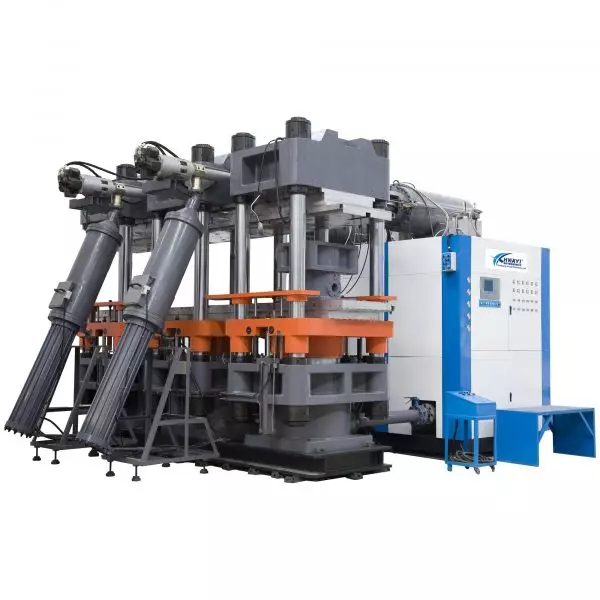
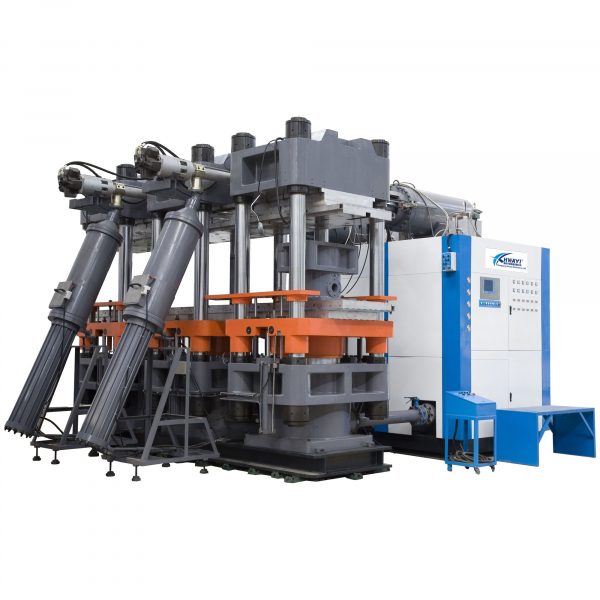
Choosing the right machine setup for EPDM versus nitrile is a practical decision—one that changes cycle time, scrap rate, and product performance. For many shops moving between weather seals (EPDM) and oil-resistant seals (nitrile), the toolset shifts from longer, temperature-focused vulcanization to tighter control over cure cycle and pressure. If your floor includes a c frame rubber injection molding machine, you already have a compact platform that handles quick die changes and precise mold cavity control—use that advantage.
Material behavior and process needs
EPDM demands sustained heat and consistent platen temperature because its cross-linking prefers longer thermal soak. Nitrile, by contrast, cures faster but is more sensitive to overheating; excessive temperature shortens compound life. Key terms: vulcanization and cure cycle determine the thermal profile. Gear your heaters, sensors, and data-logging to track both dwell time and peak temperature. In practice, EPDM runs benefit from a slightly reduced press tonnage but longer dwell, while nitrile needs stable clamping force to prevent flash without creating shear heat.
Machine configuration: press tonnage, clamps, and tooling
Map your tooling to the material. EPDM tolerates broader mold clearances and can use heavier cavities to distribute heat; nitrile benefits from tighter mold cavity tolerances to control seepage and flash. Press tonnage must match part geometry—oversized tonnage wastes energy and increases maintenance; undersized tonnage invites flash. Consider transfer molding inserts and adjustable bolster plates on c-frame platforms to speed changeovers. And when you need focused high-precision punching or trimming, a dedicated c-frame power press machine pairs nicely with transfer molding for downstream operations.
Cycle optimization and instrumentation
Install thermocouples at multiple cavity points and log run data. Use real-time torque and clamp sensors to detect subtle shifts that precede defects. Small adjustments—lowering peak temperature by a few degrees for nitrile or adding 10–15% dwell for EPDM—often yield the largest quality gains. Avoid common blind spots: unbalanced heating, worn seals, and inconsistent compound feed. —A short calibration run after any tool change saves hours on rework.

Production tips and common mistakes
Prioritize a clear recipe system: one recipe per material profile and per tool set. Standardize mixing, pre-heating, and mold release schedules. Common mistakes include swapping press settings between materials without revalidating cure curves, and underestimating the effect of ambient temperature on open-face molds. Keep spare inserts and quick-change fixtures to reduce downtime; a single well-documented die set will outpace dozens of improvised fixes.
Real-world anchor and case context
Automotive suppliers around Detroit shifted to mixed-material lines years ago, pairing transfer molding with targeted post-press trimming to reduce scrap on fuel-system seals. That real-world move shows the payoff: lower rejects and predictable part performance when EPDM and nitrile are treated as separate process families rather than one-size-fits-all runs. Use that model—separate recipes, separate validations, shared equipment where it genuinely fits.
Advisory: three golden rules for selecting the right vulcanizing strategy
1) Match thermal profile to chemistry: choose heaters and sensors that can reproduce validated cure cycles within ±2°C. This reduces brittleness in nitrile and under-cure in EPDM. 2) Right-size mechanical force: set press tonnage to part geometry and maintain clamp calibration weekly to prevent flash or squeeze-out. 3) Instrument and log everything: thermocouples, clamp force, and cycle timestamps create a traceable record that converts guesswork into corrective action.
These rules lead to measurable improvements: lower scrap, predictable duty cycles, and faster qualification for new parts. —Small investments in sensors and quick-change tooling pay back fast in rate and quality. For practical support and machine choices that fit those rules, consider the fit and service model at HWAYI. Strong equipment, sensible configurations, proven results.