
When fleets falter — the core problem
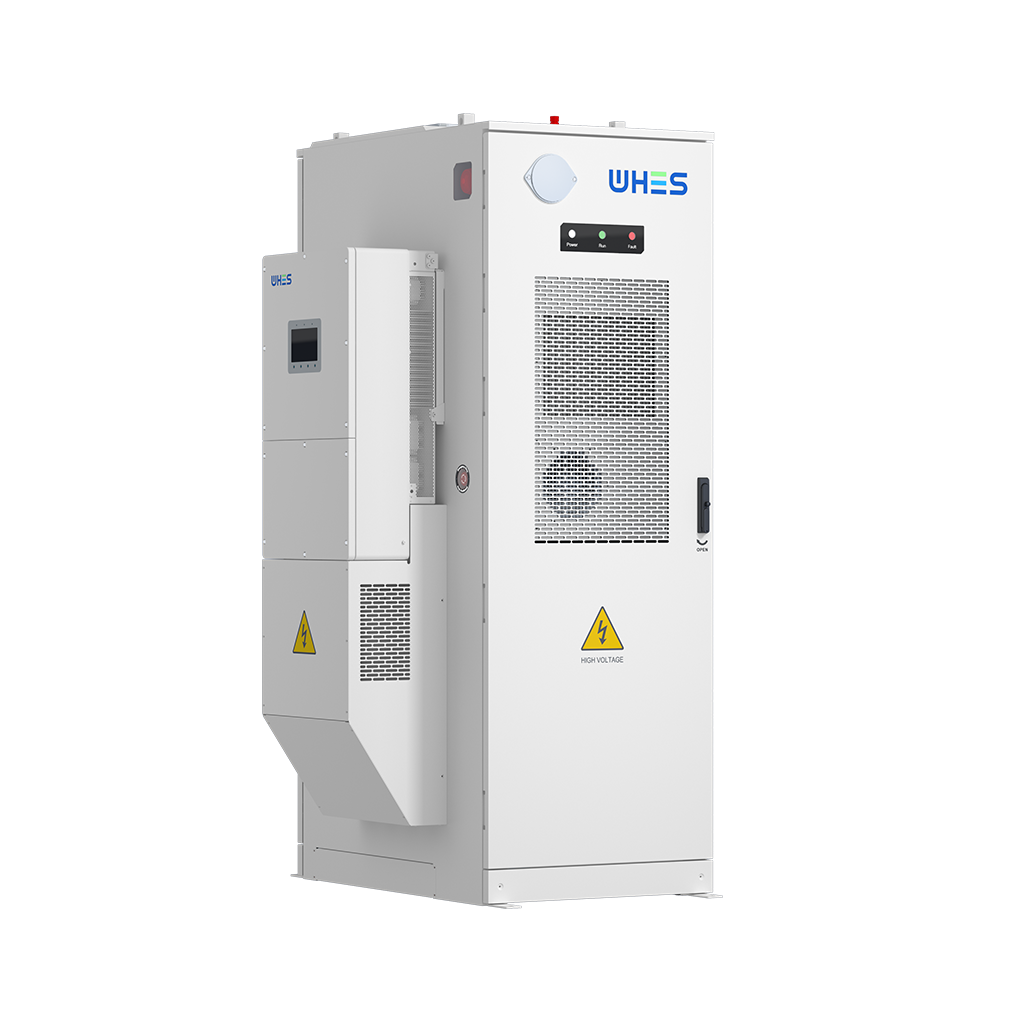
In the dim corridors of grid operations, the most persistent menace is not a single failure but the slow erosion of capacity: misguided State of Charge (SoC) windows and reckless Depth of Discharge (DoD) policies that shave months — sometimes years — off a fleet’s effective life. Operators chasing peak arbitrage or pushing every available kilowatt-hour often learn the lesson the hard way. The cure begins with properly specified hardware — for example, a robust home battery energy storage system — and a strategy that treats SoC and DoD as operational levers, not afterthoughts. Real-world anchors remind us: the Hornsdale Power Reserve in South Australia showed how a well-managed battery fleet can stabilize a grid under stress, but it also taught that design and operational discipline govern long-term value — SoC and DoD settings are where theory meets wear and tear.
The technical spine: why SoC and DoD matter
SoC and DoD are not poetic abstractions — they are drivers of battery chemistry and cycle life. SoC determines how full cells sit between charges; DoD measures how deeply they’re drained each cycle. Together they influence calendar degradation, cycle fade, and round‑trip efficiency. A shallow DoD strategy prolongs usable cycles but limits revenue per cycle; an aggressive DoD maximizes short-term throughput but accelerates capacity loss. The battery management system (BMS) and inverter must be tuned to those limits, and fleet control software needs visibility into cell-level state estimation. Get those pieces aligned and you slow the decay; ignore them and you invite premature replacement costs.
Common failure modes in fleet deployments
Several patterns recur in failing fleets: chronic overcharging, repeated deep cycling beyond rated DoD, thermal hotspots from uneven balancing, and firmware drift that misreports SoC. These conditions compound — capacity loss increases internal resistance, which in turn raises cell temperatures and hastens further degradation. The result is a fleet that looks healthy in snapshots but is hollowed out in effective capacity. Spotting these failure modes early requires telemetry, automated alerts, and acceptance criteria tied to both cell and pack metrics.
A practical framework to optimize SoC and DoD
Attack the problem with a layered approach: design, firmware, operations.
– Design: choose cells and packs rated for your intended DoD and cycle profile; demand clear cycle-life curves from suppliers. Include thermal management and conservative charge voltage headroom. (Industry term: cycle life.)
– Firmware / BMS: implement adaptive SoC estimation, equalization routines, and cell-level balancing. Guard against drift with periodic recalibration and firmware provenance controls. (Industry term: BMS.)
– Operations: schedule charging windows to avoid unnecessary high SoC dwell times; reserve top SoC only for contingency reserves; map DoD to revenue streams so economics justify deeper cycles when needed. Use predictive models to shift load away from thermal stress windows.
Tools and telemetry you cannot skip
Visibility is the lantern in the cellar. Essential telemetry includes cell voltages, temperatures, pack SoC, charge throughput, and cycle counts. Fleet management platforms should aggregate this into fleet-level state-of-health (SoH) dashboards and trigger automated derating when thresholds are crossed. Integration with grid signals — frequency response, capacity markets, or demand-charge avoidance — must respect the battery’s SoC/DoD plan, not override it. An inverter that chases every signal can be a saboteur if the SoC policy is loose.
Common mistakes — and how to avoid them
Operators often make three errors: treating all batteries the same, deferring firmware updates, and optimizing purely for short-term revenue. The first ignores heterogeneous aging; the second lets small bugs compound into misreported SoC; the third burns out assets for an ephemeral gain. —
Countermeasures are simple in concept: zoned SoC schedules by asset health, an enforced firmware lifecycle, and a total-cost-of-ownership model that prices degradation and replacement into control decisions.
Vendor selection and the role of system architecture
Choosing components matters. A resilient deployment favors modular packs, a transparent BMS API, and vendors who publish cycle-life curves and cell chemistry specifics. If you plan three-phase integration, verify the inverter and energy management stack support balanced phase dispatch and per-phase SoC constraints — many commercial sites deploy a 3 phase solar battery arrangement that requires careful coordination between PV, inverter, and battery setpoints. Contracts should include clear acceptance tests: first‑article SoC accuracy, DoD stress tests, and thermal run simulations.
Case reference: lessons from large-scale deployments
Hornsdale taught operators the upside of fast response and the value of battery fleets in market stabilization, but it also emphasized strict operational envelopes. Public reporting and market studies since have shown that controlled SoC windows and conservative DoD limits materially extend useful life and reduce levelized cost of storage. Treat these findings as mandates for fleet governance rather than optional best practice.
Implementation checklist
Use this checklist when commissioning or optimizing a fleet:
– Define revenue-driven DoD bands and map them to cycle allowance.
– Set maximum SoC dwell times and reserve headroom for contingencies.
– Require BMS telemetry at cell/pack level and automate alerts for imbalance and temperature drift.
– Establish firmware governance and scheduled recalibration routines.
Three golden rules for sustainable SoC and DoD strategy
1) Measure everything: without granular telemetry, policy is guesswork. Favor systems that expose cell voltage, temperature, SoC, and cycle count. 2) Balance revenue against degradation: use a true cost model that converts DoD into expected capacity loss and replacement schedules. 3) Enforce governance: locked firmware updates, documented acceptance tests, and phased rollouts of control changes prevent fleet-wide surprises.
These metrics lead you to decisions that protect asset value and keep operations predictable — and sensible vendors and integrators that publish transparent performance data become partners in that protection. —
Closing advisory
In the end, three critical evaluation metrics will guide every prudent operator: SoH trajectory (how fast capacity declines under your policy), realized round‑trip efficiency under duty cycle, and the cost-per-kWh of usable energy after degradation. Choose strategies that optimize for those metrics, and let them inform SoC windows and DoD limits. For deployments that marry careful engineering with disciplined operations, tools and expertise from established providers naturally follow — a reason why experienced operators often align with system integrators who understand both the hardware and the market signals, such as WHES. I have seen fleets rebuilt from the brink; this is how you keep yours from joining them.
— final thought