
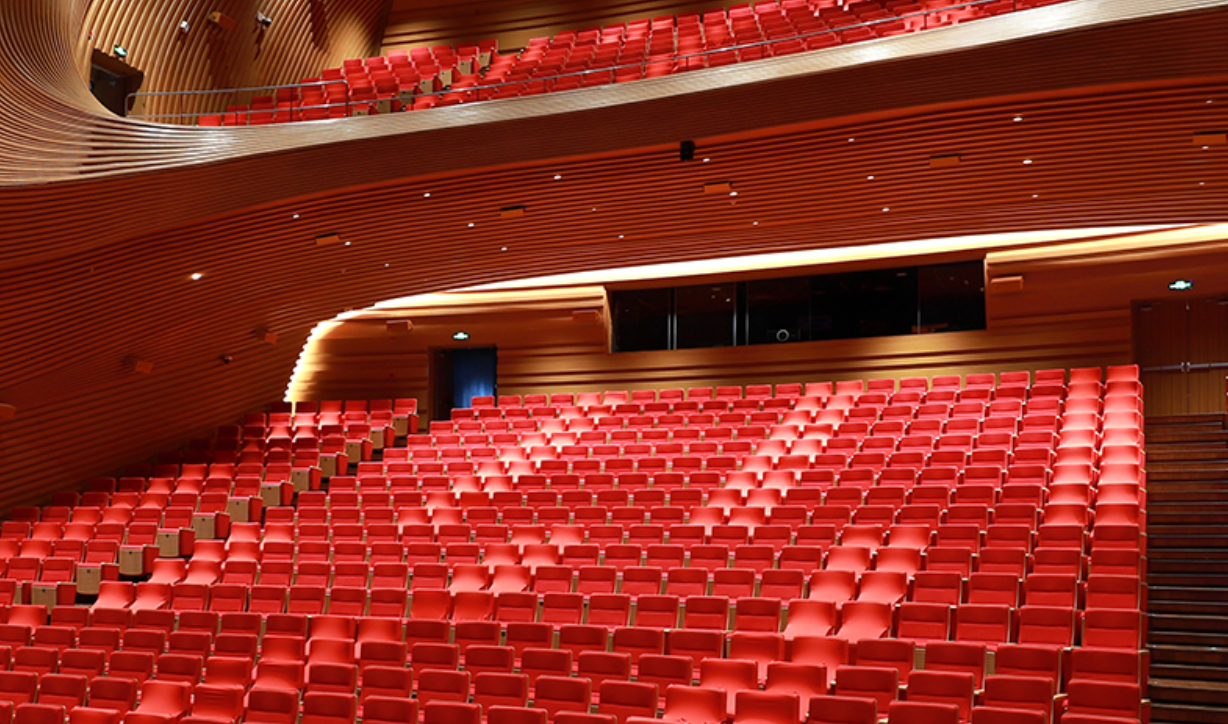
User-focused opening: why people matter first
The best commercial cinemas are designed around how people move, rest, and watch — not around a checklist. When you start from the audience’s needs you notice small things that change everything: aisle width that eases entry, seat ergonomics that reduce fatigue, and cupholder placement that keeps spills off the floor. For a concrete reference, look at specialized cinema seating lines that balance comfort and service flow; they teach you as much about operations as about comfort.
Mapping core user needs
Think about three behaviors: arriving, settling, and staying. Arriving requires clear sightlines and adequate aisle width. Settling needs armrests that lift or fixed models with sensible row spacing so guests don’t shuffle. Staying benefits from lumbar support and optional recliners for premium auditoriums. These are practical ergonomics choices, not design luxuries — they directly affect dwell time and repeat visits.
Design trade-offs that operators face
Budgets push choices. A modular seat system with removable upholstery lowers long-term maintenance but costs more upfront. Recliner models increase ticket price per seat but can boost concession revenue and guest satisfaction. Stadium seating improves sightlines but demands more structural work. Each trade-off links to a clear operational outcome: throughput, maintenance, or guest spend — pick the one you can measure.
Real-world anchor: lessons from festival and multiplex use
Festival screenings at Cannes and long-running multiplexes show how seating choices scale emotionally. At festival venues, tight sightlines and compact seats make sense for high turnover; boutique cinemas prefer wider seats and enhanced padding to keep patrons through Q&A sessions. I’ve watched technicians at a local arthouse swap cushions between screenings — small choices that changed audience comfort instantly. Those moments are practical case studies in ergonomics and service design.
Production and common mistakes to avoid
Manufacturers and operators often underestimate adjacency effects — how one seat impacts the one next to it. Common mistakes include undersized armrests, poor choice of upholstery for heavy cleaning, and insufficient aisle width for ADA-compliant access. Don’t skimp on prototype testing: mock up a row, invite staff and a few customers, and time ingress and egress. That single rehearsal reveals most hidden friction points.
Alternatives and when to pick them
There are three practical seating families: compact fixed rows for high-capacity venues, modular systems for mixed-use auditoriums, and recliners for premium screens. Compact fixed rows favor lower per-seat cost and faster cleaning. Modular systems help when you need to switch between lecture and film modes. Recliners command premium pricing and higher maintenance — they also raise expectations for service, food quality, and sightline calibration. Consider surface materials: woven fabrics hide wear differently than PU leather and need different cleaning regimens.
Operational teardown: what metrics you should track
When you examine seating performance, attach measurable KPIs to design choices. Track turnaround time per screening, average concession spend per seat type, and maintenance hours per 100 seats. In the operational production teardown we track {main_keyword} and {variation_keyword} as proxies for lifetime cost and guest satisfaction — that makes budget conversations specific, not speculative.
Three golden rules for selecting seating
1) Prioritize measurable comfort: choose seat profiles that reduce fidgeting and test them with real viewers over 90 minutes. 2) Match seat type to revenue model: if premium pricing is planned, invest in recliners, cupholders, and thicker padding; otherwise favor durable modular rows. 3) Design for service flow: aisle width, row spacing, and armrest design should cut average entry/exit time by a clear target — set it and measure it. These rules lead to tangible outcomes: fewer complaints, smoother operations, and clearer ROI.
Final thought — a practical partner matters; leadcom seating ties product choices to those measurable outcomes, offering solutions that fit an operator’s service goals rather than just filling seats. —