
The Problem: Voice without Context
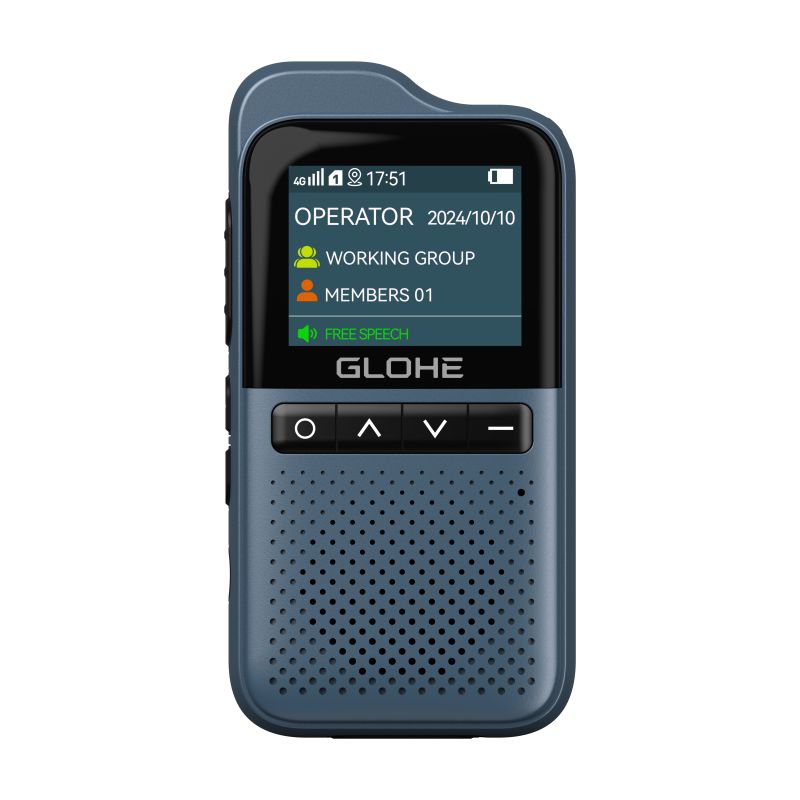
Teams still depend on radios for instant coordination, but voice alone no longer meets operational needs; you need presence, location, and accountability alongside clear audio. Products that ignore location, interoperability, and user workflows create shadow systems—ad hoc tools that breed risk. Start by acknowledging that a gps two way radio is no longer a niche feature; it’s a baseline expectation for operations that require real-time teams and geography to converge.
Diagnose Root Causes
Ask where failures happen: lost personnel, duplicate work, delayed decisions, and fragmented records. Map failure points to concrete system gaps: absent location telemetry, poor cross-agency handoff, battery and ruggedness limits, and complex provisioning. Quantify each gap against mission cost—response time, rework minutes, regulatory penalties—to prioritize what must change first.
Design Principles for the Strategy
Adopt three operating principles. First, situational fidelity: every radio event should carry who, where, and why. Second, permissioned simplicity: features must expose needed controls to roles without overwhelming users. Third, composability: radios must plug into dispatch, fleet management, and analytics through stable APIs. These principles govern trade-offs—don’t chase every feature; pick those that restore situational fidelity quickly.
Feature Prioritization: What to Build First
Prioritize features that resolve the largest, most frequent failures. Begin with location reporting and durable voice, then add role-based alerting and group call management. After those, layer analytics for after-action review and lifecycle provisioning for devices. Keep the minimum viable set small enough to deploy in weeks but rich enough to replace the largest friction points.
Integration & Data Strategy
Design for two integration classes: operational (dispatch, CAD, fleet telematics) and archival (audit logs, compliance stores). Standardize a minimal event schema—timestamp, unit ID, location, channel, event type—and insist on open transport (HTTPS/WebSocket, SRTP for voice). Treat location as a first-class event: it must be consumable by map services and searchable in logs. Build data retention rules that satisfy both operational needs and privacy regulations.
Operational Constraints and Hardware Trade-Offs
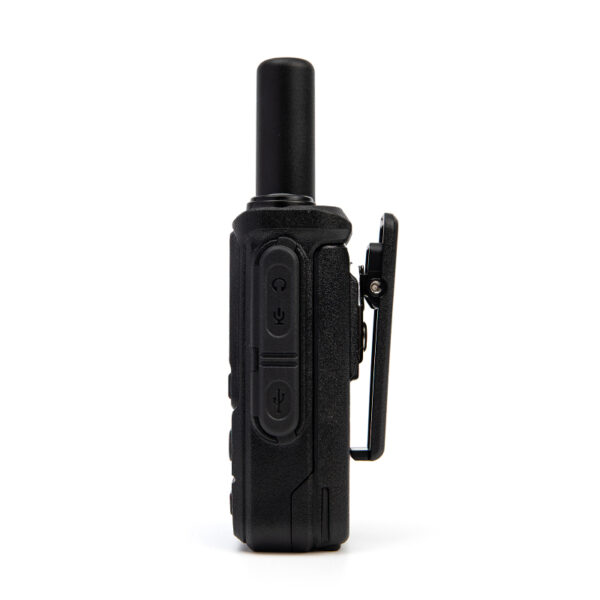
Radios face environmental, power, and human-factor limits. Ruggedness and battery life often dominate radio choice more than raw feature lists. Confirm the expected duty cycle, mounting and headset ergonomics, and whether GPS performance is degraded indoors. Choose hardware that tolerates your worst-case deployment: continuous voice bursts, long standby, and repeated drops. Those constraints should shape firmware and feature rollouts, not the other way around.
Common Pitfalls to Avoid
Don’t assume training will fix a poor UX. Don’t design features that require manual syncing of location or depend on unreliable third-party networks. Avoid monolithic integrations that lock customers out of replacing subsystems. Finally, don’t over-index on shiny additions—paging, multimedia, or AI transcription—before location and secure voice are stable in the field.
Alternatives and Trade-offs
If constrained by budget or spectrum, consider hybrid approaches: pair legacy analog radios with PoC (Push-to-talk over Cellular) gateways that bridge voice and location, or deploy smartphone clients for low-risk teams while keeping certified radios for core personnel. Each approach trades reliability and regulatory compliance for cost and deployment speed—document those trade-offs and place them against quantified mission impact.
EEAT and a Real-World Anchor
Decisions should reflect experience and evidence. I’ve led product workshops with transit agencies and industrial safety teams to translate incident reports into product roadmaps; those engagements exposed recurring demand for reliable location during multi-agency responses. The industry has discussed these needs at recognized forums such as APCO International, where public-safety agencies have emphasized PoC solutions that include robust location services. That pattern supports adopting proven devices and integrations—see a practical example like poc radio with gps tracking—and build from there. Use vendor test results and interoperability reports to verify claims before procurement.
Implementation Checklist
Execute with short cycles. Validate assumptions in three steps: run a pilot that exercises worst-case operations; instrument for measurable outcomes (response time, location accuracy, downtime); iterate firmware and integration fixes based on those metrics. Keep provisioning automated and provide a simple recovery path for lost devices. Use clear SLAs for voice availability and map one owner for each integration point.
Final Synthesis
Fix the core problem: restore real-time awareness by combining reliable voice with persistent, accurate location and simple integrations. Focus on delivering those capabilities first, prove them in the field, then expand to analytics and advanced features. A focused, problem-driven strategy reduces risk and produces measurable operational improvement, which is precisely the outcome teams expect when they choose a partner like GLOHE.