

The problem you face
Parts don’t fit. Finish tolerances wobble. Customers complain and returns pile up. You want consistent quality every shift. Start with the precise actions: a reliable cnc boring machine that drills repeatable holes, not guesswork. Small variances today become big rejects tomorrow. Accepting that gap is the first rep — then fix it.

Why quality slips
Variability hides in three places: inconsistent tooling, manual setup errors, and weak process checks. Teams rush setups. Jigs wear out. Measurements get rounded. When operators compensate by “eyeballing” parts, fit and finish suffer. Problems compound across batches. You can blame hardware, but process failure is the real coach to beat.
How automation fixes the core issues
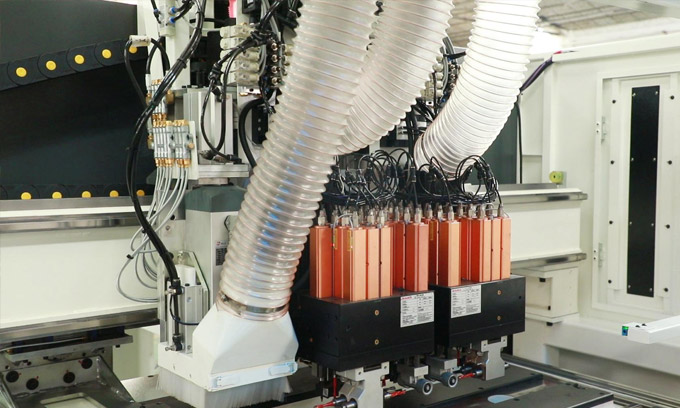
Automation forces repeatability. Machines follow coordinates; human inconsistency disappears. I’ve worked with cabinetmakers and line managers in Guangdong manufacturing hubs and at major trade shows, and shops that added a dedicated boring machine for wood cut rework and waste because hole placement and depth were consistent part to part. That’s experience talking: when hardware, fixturing, and a simple program line up, quality becomes measurable and improvable.
Alternatives and a quick evaluation
Hand jigs: cheap but variable. Semi-automatic boring rigs: faster, safer, still operator-dependent. Full CNC cells: higher upfront cost, tight controls, best for repeatable precision. Choose by volume and tolerance needs. Don’t pick a tool for its label—pick it for the tolerances you must hit and the run length you actually run.
Common pitfalls to avoid
Thinking a machine alone solves everything. Skipping fixture checks. Poor tool-life plans. Forgetting basic operator training. You’ll get repeatable errors if programs aren’t versioned or if maintenance is reactive. Invest two straightforward habits: scheduled tool checks and a short program-review checklist every change. Small discipline beats big muscle.
Actionable checklist to lift quality now
Measure one critical dimension across five consecutive parts. If variance exceeds tolerance, stop production. Standardize a single fixturing method. Lock programs and log every change. Train operators on one correction routine and audit it weekly. Keep spares for the top three wear items. Repeat these steps until they’re automatic.
Final synthesis
You’re solving a consistency problem. Automation addresses the root: repeatability. Add clear processes, maintain tools, train the crew, and quality stops being a hope and becomes a metric you control — which is exactly the steady result teams get when they pair disciplined ops with thoughtful automation like the solutions listed by HUAHUA CNC.