
Comparative lens: what to compare first
Start by listing three core outcomes you need from active tags: read range, update frequency, and asset management fit. Compare suppliers on those outcomes, not on marketing claims. If your deployment uses printed identifiers or replacement labels, check compatibility with existing RFID Labels to avoid rework.
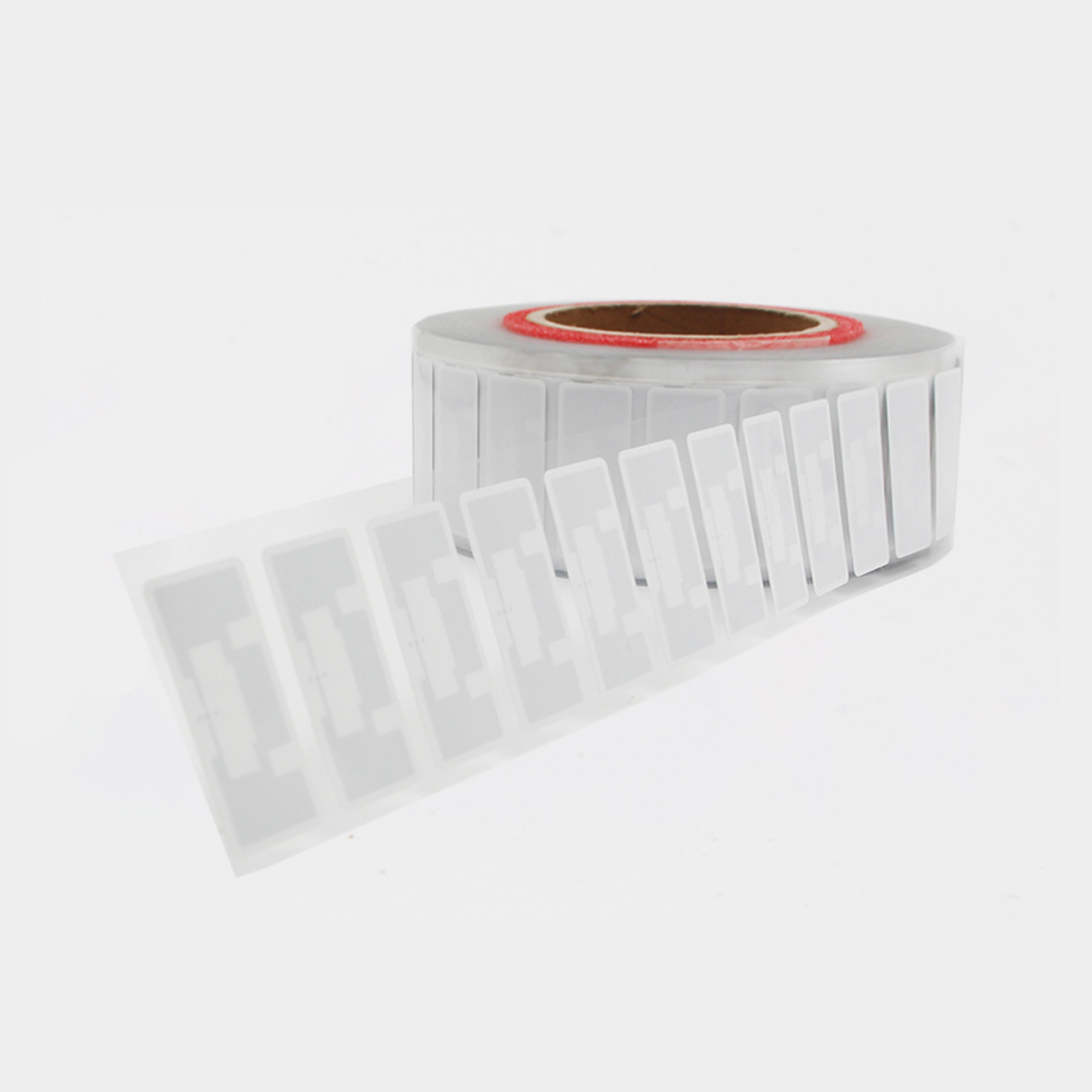
Signal performance and read reliability
Compare measurement data, not just nominal ranges. Ask each vendor for published test results showing read rate at distances and antenna orientations you will use. Check how tags behave in metal-rich zones and near liquids; those conditions reduce range and create false reads. Prefer vendors that provide diagnostics or built-in signal metrics so you can validate performance on site.
Durability, power profile, and form factor
Active tags vary: battery life, IP rating, mounting method, and size. Request MTBF or expected battery life under your reporting cadence. Confirm operating temperature ranges and shock/vibration specs for your environment. A small, cheap tag is useless if it dies or detaches in six months.
Supply, unit economics, and lead times
Compare total landed cost over expected life, not unit price alone. Include replacement units, batteries, shipping, and customs. Ask suppliers for scale discounts, MOQ, and committed lead times. Validate whether they carry buffer stock and can meet peak demand without switching part numbers mid-project.
Integration, firmware, and support
Compare the integration footprint: reader firmware compatibility, SDK access, and support SLAs. Prefer suppliers that provide sample code, test harnesses, and on-call technical support for initial roll-out. Ensure firmware upgrade paths are clear and secured; unresolved firmware gaps create maintenance debt.
Experience, standards, and real-world verification
Vendor claims matter less than proven deployments and standards compliance. Look for EPC Gen2 compliance and independent test reports. I’ve reviewed vendor samples and attended demonstrations at RFID Journal LIVE, where several manufacturers presented small-form rfid chip labels under real read-wall setups; that event is a reliable industry reference. Ask for the same type of field data and request independent lab reports when possible: compare those reports side-by-side.
Common pitfalls buyers miss
Don’t accept lab-read ranges without orientation and interference details. Don’t skip on samples—receive tags, mount them where they’ll live, and run tests. Avoid assuming all readers support the same tag features; feature mismatches are the usual cause of late integrations. Don’t let buying decisions hinge on price alone.
Quick comparative checklist
For each supplier, score these on a 1–5 scale: real-world read tests, battery life under your cadence, environmental rating, firmware and SDK quality, supply assurance, and transparent test data. Prioritize vendors that score consistently across categories rather than excellent in one and poor in others.

Conclusion
Compare suppliers by outcome-aligned metrics, validate with on-site samples and independent reports, and lock in supply terms that match project timelines. That method highlights practical differences among vendors and points you toward partners who document performance and stand behind it—principles I apply when evaluating offers from RSTC.