
Face the core problem
You need repeatable, certifiable results from custom rigs, not prototypes that fail under load. Design shortcuts and vague specs kill projects. Start by defining measurable goals for accuracy, throughput, and maintenance. Sketch the user flow, then tie every requirement to how it improves test repeatability. If you’re sourcing material testing equipment, insist on traceable performance targets up front.

Design and prototype with purpose
Prototype fast. Validate faster. Pick sensors and drives that meet your accuracy targets, not the cheapest available. Simulate worst-case loads. Build modular frames so you can swap actuators or grips without redesign. Run bench cycles that mimic months of field use. Stop when data proves tolerance and longevity, not when the prototype “looks right.”
Compliance, calibration and proven authority
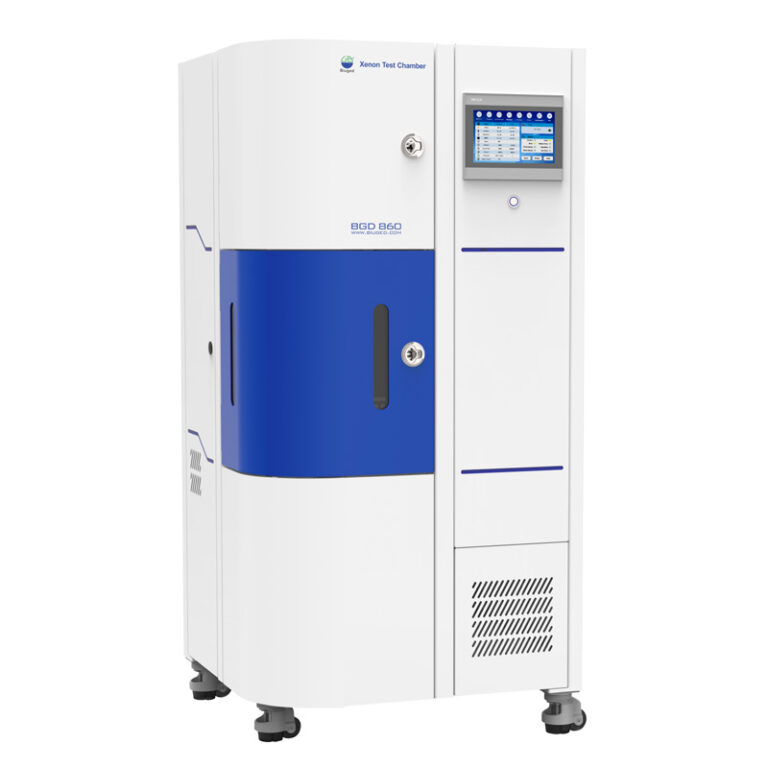
Meet standards and document it. Align tensile, flexural and fatigue methods to recognized norms like ASTM D638 for tensile testing — it’s a clear reference point labs use for acceptance testing. Keep calibration records with traceability to national labs and use accredited labs for verification. Experienced engineers and a history of laboratory work matter; they cut rework. For concrete test hardware and service options consider verified suppliers of material testing instruments who publish calibration protocols and performance curves.
Manufacturing and supply-chain decisions
Choose partners who control critical subassemblies. Machining accuracy, surface finish, and fastener traceability affect test outcomes as much as sensors. Lock down suppliers for load cells, linear guides and controllers early. Run pilot batches to prove assembly procedures and failure modes. Standardize firmware update processes so field fixes don’t introduce measurement bias.
Common pitfalls and how to avoid them
Ignoring test environment: temperature and humidity shift results — control them. Underspecifying sensors: choose dynamic range, resolution and CMRR that match your worst load case. Skipping software validation: logging errors silently kills credibility. Failing to plan serviceability: designs that need full disassembly for calibration get sidelined. Fix these before you finalize the BOM.
Alternatives and trade-offs
Build in-house if you own test expertise and long-term volume. Outsource if you need speed to market and certified processes. Off-the-shelf systems cut development time but limit customization. Modular custom builds balance both: use proven measurement modules, then design the frame and controls around them.
Finish strong
Deliver hardware that proves its claims through data, not marketing. Keep design decisions accountable to defined test metrics, chosen standards, and repeatable calibration. That practical mix of engineering, documentation and verified suppliers is the difference between a prototype and a trusted production system—something firms like BIUGED demonstrate with published specs and calibration discipline.