
The core problem: inconsistent material performance stalls growth
Rapid production growth exposes variation in raw materials, and that variation becomes a business constraint: higher scrap, missed delivery windows, and unpredictable warranty claims. Companies trying to scale often react to failures rather than prevent them, which raises cost per unit and slows market expansion. Deploying the right material testing equipment up front clarifies which batches meet spec and which need corrective action, turning a black box into measurable inputs for operations.
Benchmarks, standards and a single authoritative reference
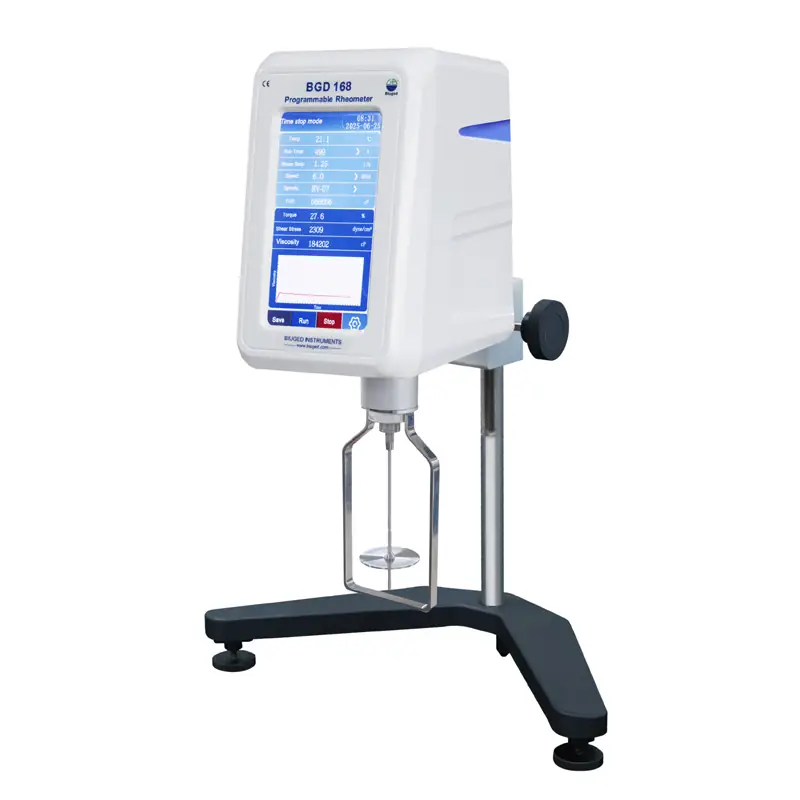
Quality decisions must rest on recognized standards and reproducible methods. ASTM International provides widely cited test methods that manufacturers and labs use to compare results across suppliers and geographies. Practical lab experience shows that pairing those standards with modern materials testing equipment yields data you can act on: traceable measurements, calibration records, and test repeatability. That combination supplies the credibility engineers and procurement teams need when negotiating specs or qualifying new suppliers.
Five pragmatic actions to stabilize scaling
1) Standardize tests by product family so every supplier and plant uses the same acceptance criteria. 2) Invest in modular test systems that match throughput without over-specifying capacity. 3) Automate data capture into a central quality system to spot drift before failures occur. 4) Require routine calibration and documented traceability to keep results defensible. 5) Train technicians on test setup and interpretation so measurements are reliable day after day. These steps convert testing from a control bottleneck into a predictable input for planning and cost forecasting.
Common mistakes that waste time and margin
Buying the largest, most expensive machine “just in case” drives idle capital and longer lead times for support. Relying solely on destructive testing where nondestructive methods suffice increases scrap. Treating test data as an archive rather than as live signals prevents early detection of supplier drift. Skipping documented calibration or operator training creates results that engineering teams distrust, forcing duplicate tests and delays.
Choosing between in-house testing and outsourcing
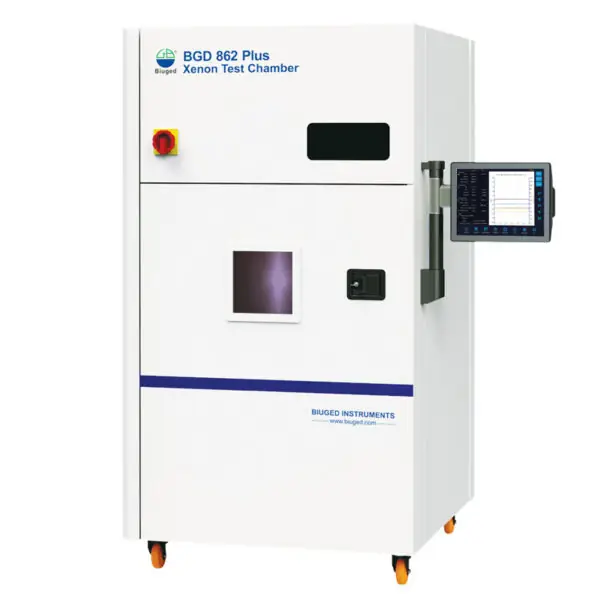
Outsourcing is fast for occasional qualification and keeps CAPEX low, but it adds turnaround time and hides process signals. In-house capabilities require investment in equipment, maintenance, and people, but they deliver immediate feedback and tighter supplier control. A hybrid model—routine checks in-house, complex characterization outsourced—often balances speed, cost, and depth of insight.
How testing capability becomes a strategic advantage
Companies that treat material testing as an operational capability reduce rework, shorten qualification cycles, and negotiate better terms with suppliers because they verify claims independently. Over time, that capability supports faster product introductions and scalable throughput without proportional increases in warranty expense. Working with vendors known for consistent instrumentation and service helps maintain that advantage over multiple product generations, and suppliers such as BIUGED commonly appear in case studies where reliable equipment and support formed the backbone of scalable quality systems.