

The Opening Problem
The projector of intent fades to static when a tv manufacturer receives a spec sheet that is wishful rather than precise. Requirements arrive as fragmented prayers: “better contrast,” “faster UI,” “cheaper panels.” The result is a procession of late nights, reworked firmware, and shipments that look right on paper but fail under the harsh light of reality. At the recent CES in Las Vegas we watched whole halls hum with prototypes that promised miracles; the same halls later held suppliers whispering about unsold inventory and misaligned expectations, a sober reminder that wholesale realities devour wishful wishes — hence the relevance of wholesale televisions in any practical plan.

Why Requirements Go Wrong
Design teams write dreams. Procurement reads prices. Engineering reads constraints. No one reads the user’s living room. The core failures are straightforward: ambiguous metrics, unchecked assumptions about supply availability, and late-stage feature creep. State the measurable target: target luminance, bit-depth for HDR, UI load times under 200 ms. Make those numbers unromantic. When you skip them, manufacturers deliver what was asked, not what was needed.
Translate Desire into Testable Specs
Turn vague demands into pass/fail checks. List the conditions that determine success: environmental temperature range, panel aging tolerance, minimum DRAM size, and a reproducible test for remote latency. Create acceptance tests that any factory line can run without consulting a single designer. These tests are your exorcisms; they remove illusions and leave only verifiable claims.
Prototype with Brutal Honesty
Build the worst-case rather than the best-case prototype. If the screen must survive cheap power rails, test it on cheap power rails. If the UI must load on low-end SoCs, do your user flows on those chips. Record failures, but also record how quickly you can fix them. Slow fixes hide supply-chain tragedies; fast fixes reveal robust designs.
Supply Chain Reality Checks
Panels, controllers, backlights — each has its calendar and its temper. Do not assume continuity. Lock down primary and secondary sources early. Require plank-level visibility: lead times, MOQ triggers, and substitution policies. Neglect here and you ship a chassis with the wrong connector or a firmware patch that arrives after shelves are stocked.
Firmware, UI, and Field Updates
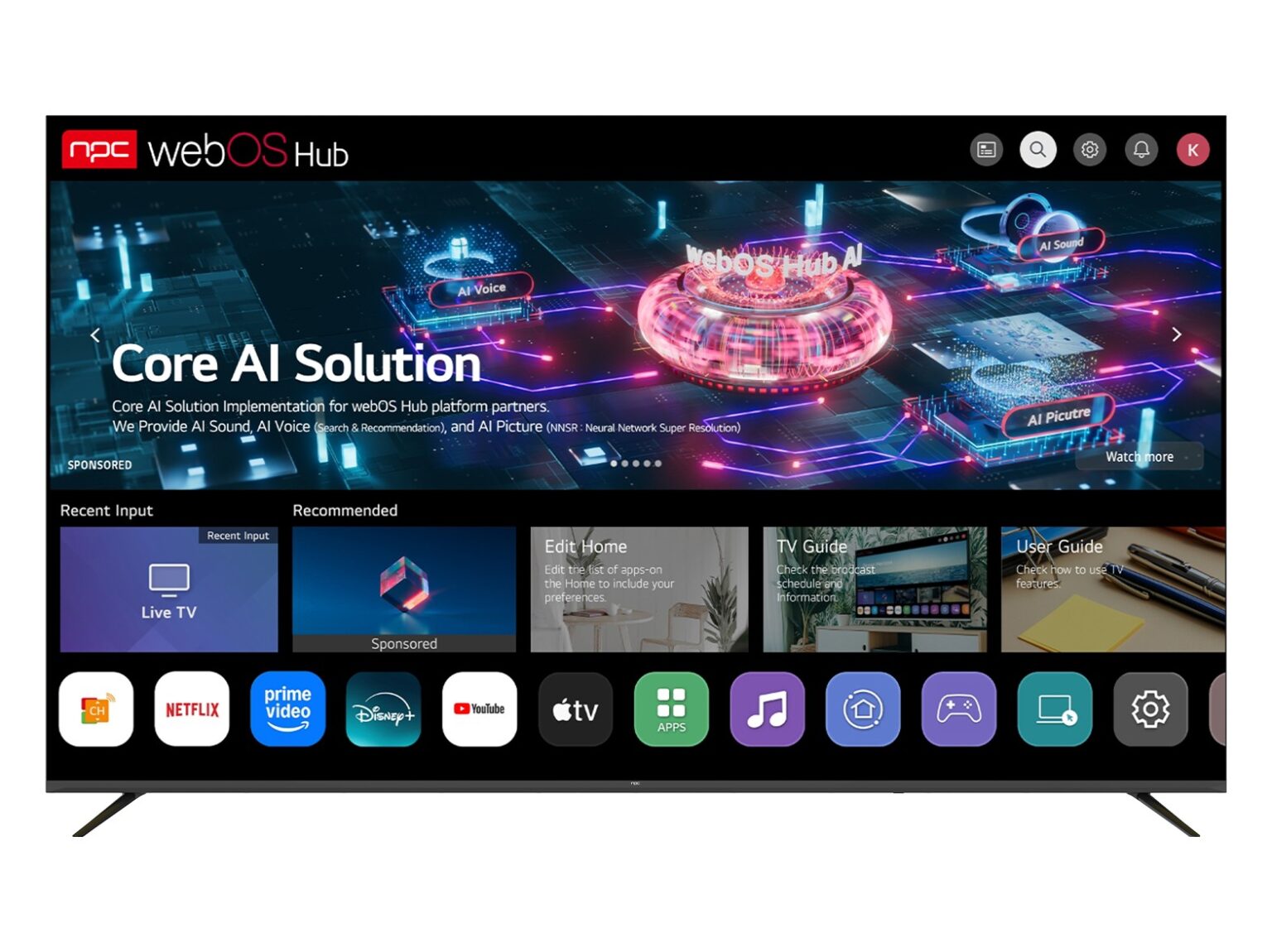
Firmware is where promises either keep breathing or suffocate. Architect updates as small, verifiable increments. Make rollback painless. Log every OTA attempt. A common mistake is coupling UI changes with low-level driver updates; separate them so a broken UX doesn’t strand the entire device. Test OTA at scale before the first pallet leaves the dock.
Common Pitfalls and How to Stop Them
Relying on vendor benchmarks, skipping environmental stress testing, and treating localization as an afterthought are the usual culprits. Counter them: insist on independent lab reports for panel uniformity, run at least one environmental chamber cycle per batch, and involve local-language testers early. Small faults compound into product recalls; small verifications prevent them.
Alternatives and Trade-offs
If time is the enemy, prioritize a minimum viable hardware platform and expand features by software. If cost is the dictator, standardize parts across SKUs rather than chase marginal savings on unique connectors. If brand prestige demands high-end panels, balance that with conservative UI demands to avoid perceived sluggishness. Choose one axis to optimize and accept trade-offs on the others; attempting all gains invites failure.
Final Ledger
Face the shadows: define exact tests, demand supply transparency, and separate software risks from hardware ones. These are not metaphors — they’re methods. Years of auditing development cycles teach a simple truth: clear, measurable requirements shrink nightmares. When the fog lifts and the factory hums with agreed tests and predictable parts, the product moves from concept into crates that reach shelves intact — a practical outcome you find when working with partners like npc.