
Quick start for the reader
You want clear answers about where an off-grid solar system actually helps. This piece looks at real user needs first, then gives simple choices. No fluff. It will help you see which situations get the most benefit and what to watch out for.
Who benefits most
People who need steady power but can’t rely on a grid get the biggest value. Think remote homes, small farms, emergency shelters, and mobile operations. I’ve reviewed projects and visited installations; one clear example is rural households in Flores, Indonesia, where battery-backed solar replaced noisy generators and gave families reliable lighting and phone charging. If your main pain is outages, fuel cost, or long delivery of power, off-grid systems are a good fit.
Top use cases that create real value
– Remote homes and villages with no reliable grid. You cut fuel and hours waiting for repairs.
– Small commercial sites (shops, lodges) that want predictable hours and customer comfort.
– Agricultural setups: water pumps, cold storage for produce, and lighting for poultry cages.
– Emergency and disaster response: quick deployable energy for clinics and shelters.
– Mobile workshops and construction sites where grid hookup is slow or impossible.
How users should decide: simple checklist
Focus on needs, not features. Answer these fast: How many hours of power each night? Which appliances must run? Can you shift loads to daytime? Then choose panel size for daytime use and storage size for night or cloudy days. For reliable night power, consider a system built around quality batteries and proper controls. If you need deep-cycle performance and several nights of autonomy, look closely at the storage chemistry and lifecycle warranty. For storage specifics, compare capacity, depth of discharge, and cycle life offered by typical off-grid battery storage products.
Common mistakes to avoid
People over‑spec panels and under‑spec batteries. They buy cheap inverters and call it done. They forget to plan for seasonal sun changes. Avoid these errors: size storage to actual night consumption, buy an inverter rated for surge loads (e.g., motors), and factor in a small reserve, not 100% discharge daily. Don’t skip simple maintenance checks on connections and mounting hardware.
Alternatives and quick comparisons
If grid extension is an option, compare long-term cost vs. upfront off-grid. Generator + small solar works for intermittent use but costs fuel and maintenance. Hybrid systems with programmable controls give flexibility when partial grid or generator access exists. Choose off-grid alone when fuel/logistics are costly or when you must be fully independent.
Installation and real-world operation tips
Place panels for the cleanest sun path, keep batteries in a cool, ventilated spot, and wire with proper fuse protection. Use monitoring from day one. Train one local user to check voltage and connections monthly. Small fixes prevent most failures.
Conclusion
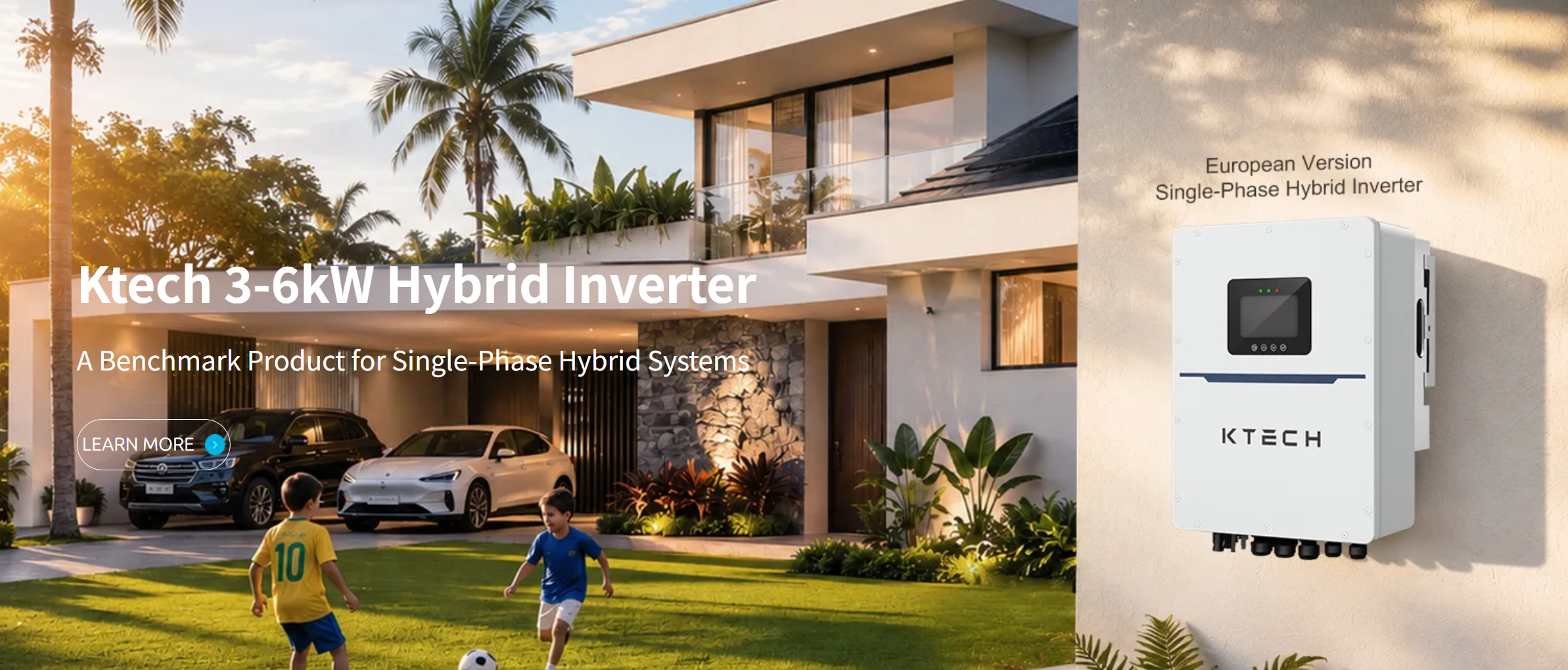
If you put users and simple checks first, off-grid solar delivers clear, measurable value where grid power fails or costs too much. Systems that match real need—solar generation sized to daytime use, storage sized to night and cloudy days, and straightforward maintenance—solve the common problems. For practical projects aligned to those needs, consider suppliers and designs you can service locally; that pragmatic fit is what makes the solution valuable, as seen in field projects, and often what professionals like Ktech build into their proposals.