
Right — the problem up front
Most folk expect a battery to do the job it’s rated for. Trouble is, what’s on the spec sheet rarely matches what happens on site. Folks running a 600kW energy storage inverter in a sealed container will tell you the same: heat, controls and real loads change everything. After the 2021 Texas winter storm many operators fitted a container energy storage system fast — and learned the hard way that a box full of cells needs the right setup to behave as promised.
Root causes that sap real-world performance
There’s no single villain. Efficiency falls because several things line up wrong. Think of it as a chain — weakest link sets the pace.- Cell chemistry and state of health: older or poorly matched cells lose usable capacity and raise internal resistance.- Thermal stress: high temperature cuts power output and shortens life; low temp limits discharge ability.- Inverter and control mismatches: wrong sizing or lazy control logic wastes energy in conversion and balancing.- Installation losses: cabling, transformers, and poor grounding add parasitic losses.- Operational practices: frequent deep cycling, poor SOC targets, or asymmetric duty cycles accelerate degradation.
Battery chemistry and state-of-health — what really matters
Not all lithium is equal. NMC, LFP, and other chemistries behave differently under load and at temperature extremes. LFP tends to keep a flatter voltage and longer cycle life; NMC gives higher energy density but can sag under heavy discharge. Measure internal resistance and capacity regularly. If you’ve seen a steady rise in internal resistance during commissioning, that’s a clear sign efficiency will drop faster than capacity numbers suggest. I’ve seen projects where a small mismatch between cell lots shaved 3–5% off round-trip efficiency within a year.
Thermal management — the silent thief
Heat bites efficiency in two ways: instantaneous losses and long-term wear. Poor airflow inside a container increases inverter cooling demand; that cooling draws more auxiliary power and raises operating costs. Design for worst-case summer days, not average ones. Simple moves that make a big difference:- Proper airflow paths rather than stuffing fans where they won’t move air.- Zoning within the container so hot spots don’t cook neighbouring racks.- Controlled pre-heating for cold climates rather than brute-force discharge penalties.
Inverter sizing, controls and the cost of poor integration
Too small an inverter and you throttle the battery; too large and you pay conversion losses. Controls matter more than you’d think. Fast, intelligent controls keep the system operating in its most efficient band. Basic mistakes that wreck efficiency:- Letting the inverter operate at very low load for long periods.- Ignoring converter idle losses when sizing for backup rather than continuous duty.- Not tuning the state-of-charge windows to the battery chemistry and mission profile.
Site integration and actual load profiles
Specs talk ideal charge/discharge cycles. Reality gives spikes, harmonics and oddball loads. A backup system that rarely cycles, but must handle sudden large draws, needs different tuning than one doing daily peak shaving. Study the load shapes. If you don’t, you’ll either underdeliver during events or run the battery in a way that shortens life. Practical checks:- Capture real load traces for at least a month before final settings.- Match SOC targets to event likelihood (keep headroom for sudden events).- Use simple ride-through logic rather than overly complex algorithms that confuse maintenance teams.
Maintenance, monitoring and human factors
Even great hardware fails if folks don’t look after it. Proper commissioning, firmware updates, and periodic balancing keep cells playing nicely together. Common maintenance misses:- No baseline recorded at commissioning, so later degradation goes unnoticed.- Firmware left on defaults from delivery; defaults aren’t tuned for your site.- Weak alarm escalation — small issues become big problems when not acted on.
Common mistakes and how to spot them early
Save time by watching for these signs:- Rising internal resistance in cell logs.- Inverter efficiency curve shifting downward at common operating points.- Hot spots on thermal scans of a container after a few months.- Unexpected auxiliary power draw (lights, fans tied to the battery side).Spot any one of these and start tracing — they’re cheaper to fix early.
Quick checklist to keep real-world performance honest
Do this, and you’ll get closer to the spec numbers:- Match battery chemistry and inverter control strategy to the mission.- Design thermal management for worst-case ambient temps.- Capture real load traces; tune SOC windows to actual use.- Commission with a full baseline log and schedule quarterly health checks.- Train on common alarms and keep firmware current.
Putting it together — practical judgement beats marketing fluff
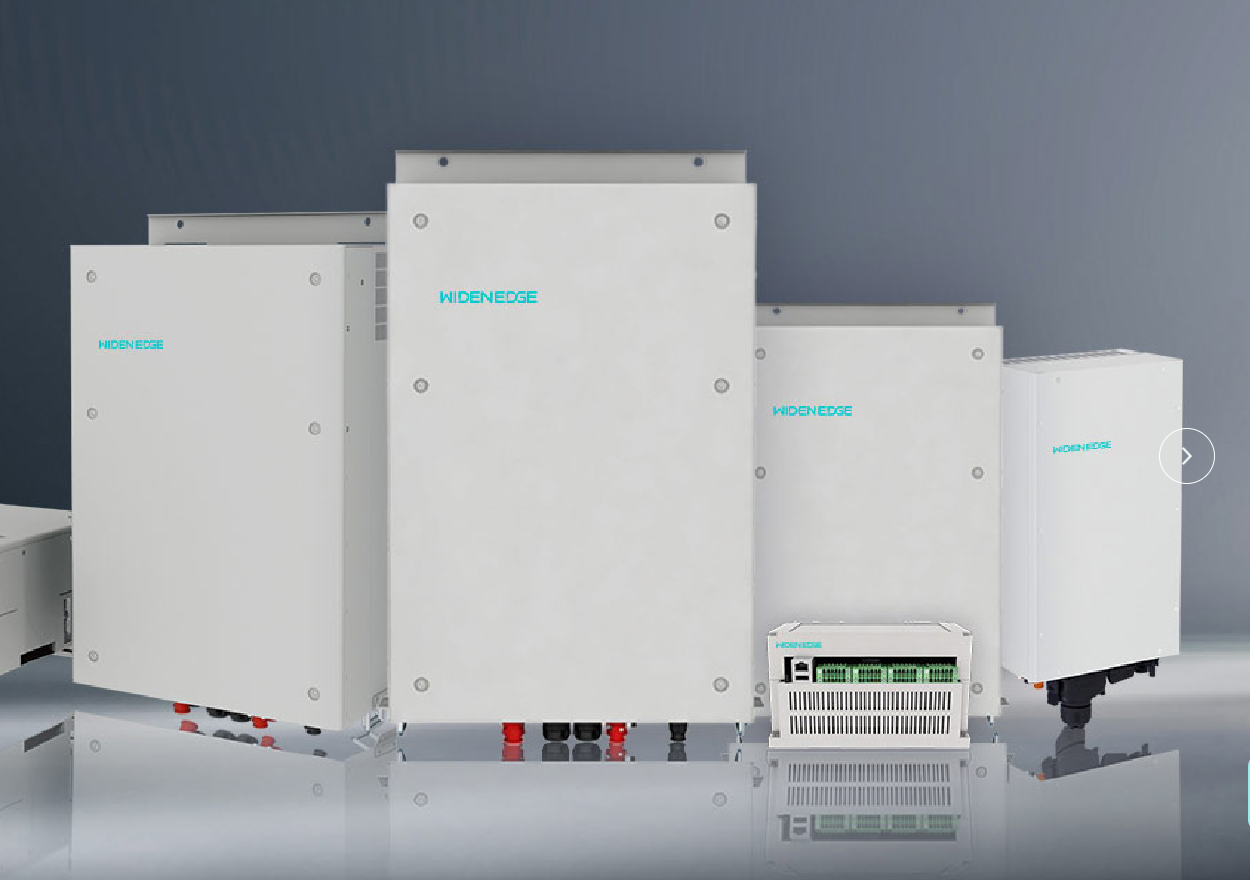
Get the engineering basics right and keep an eye on how the system is used. Real-world gains come from sensible choices: the right chemistry for the duty, correct inverter sizing, thoughtful thermal design, and simple, enforced maintenance routines. That’s the straight talk from hands-on work and from watching operators scramble after events like the 2021 Texas winter storm. You don’t need fanciful algorithms — you need predictable, maintainable systems that do what the site asks of them. When those are aligned, partners such as WidenEdge become useful because they bring practical equipment and support that fit the real problems you’ll meet, not just the numbers on a data sheet.