
The problem: inconsistent heat, rising costs, tight permits
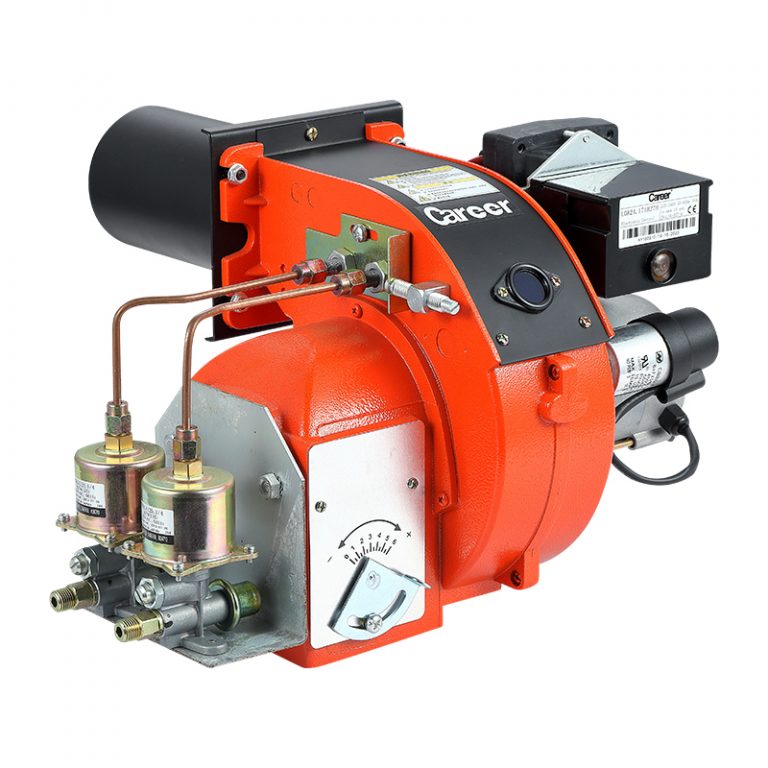
Many factories and workshops in the region face the same headaches: uneven furnace temperatures, fuel supply that bounces in price, and local permits that tighten every year. You can patch an old burner, or you can pick a consistent module—like a properly sized methanol burner—and stop firefighting operations every month. This is a problem-driven choice: fix the root cause (unstable combustion and poor control) rather than juggling temporary fixes.
Root causes you can measure
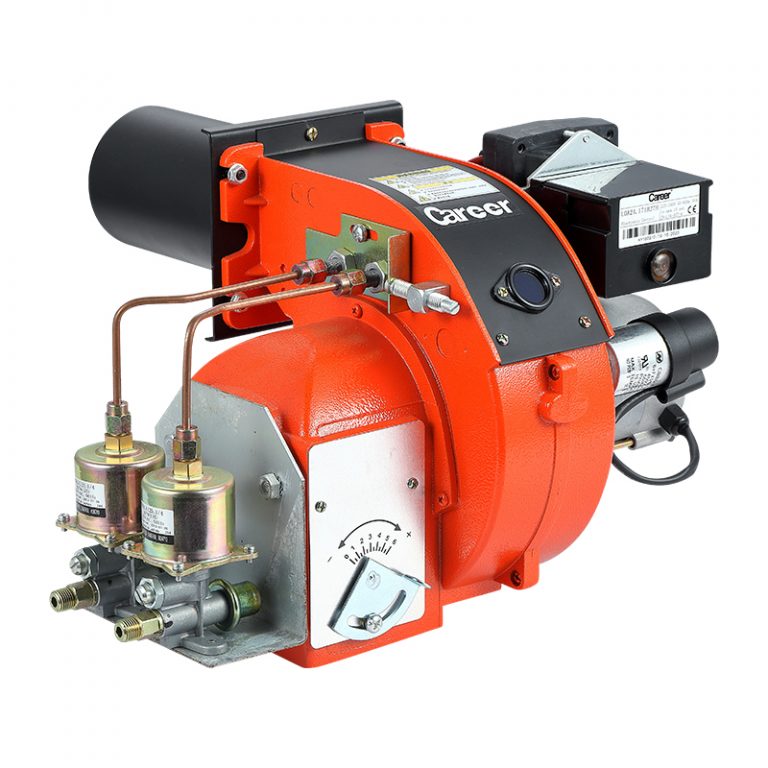
Start with facts: temperature variance across the batch, fuel consumption per cycle, and downtime minutes. Those three metrics tell you whether the flame tube design or the fuel handling is the bottleneck. If temperature swings more than 15°C, flame shape or burner placement is wrong. If fuel spend jumps without output gains, you’ve got leakage, bad atomization, or poor burner tuning. Measure first; then change equipment.
Why flame tube + methanol solves the scaling issue (real-world anchor)
Flame tube geometry stabilizes combustion across small to large kilns; pairing that with a clean-burning liquid like methanol reduces soot and makes control tighter. European pilot projects, including trials around the Port of Rotterdam, have evaluated using methanol as fuel for industrial heaters and noted gains in controllability and reduced particulate risk. I’ve seen the same pattern in retrofit work: better flame stability, faster ramp-up, and simpler exhaust treatment compared with heavy fuel oils.
Practical design checklist for scaling safely
Follow these concrete steps: 1) Match flame tube diameter and length to furnace volume; 2) specify burner turndown ratio—aim for at least 4:1 for flexible loads; 3) design fuel storage with leak containment and double-wall lines for methanol; 4) use corrosion-resistant materials around the flame path; 5) install proper ventilation and gas detection; 6) include simple closed-loop temperature control with PID tuning and feedforward for load changes. Each item maps to measurable specs you can hand to procurement.
Common mistakes and how to avoid them
Don’t skip burner testing at operating pressure. Don’t copy nominal burner ratings—verify delivered heat at the flange. Don’t assume methanol behaves like diesel; it has different vapor pressure and requires dedicated seals and pumps. Don’t wait for a regulatory citation before adding sensors: CO and methanol vapor detectors are cheap insurance. Plan maintenance intervals based on soot load and nozzle wear, not just hours run.
Scaling steps: from pilot to full production
Run a short pilot: single flame tube, documented baseline, three thermal cycles. Tune the fuel-air ratio and record repeatability. Expand to parallel tubes only after you confirm ramp rates and emissions. Train local operators on start/stop sequences and emergency isolation valves. Validate permits with a stack test—keep the data simple and traceable. Small pilots reduce risk and speed approval.
Final synthesis
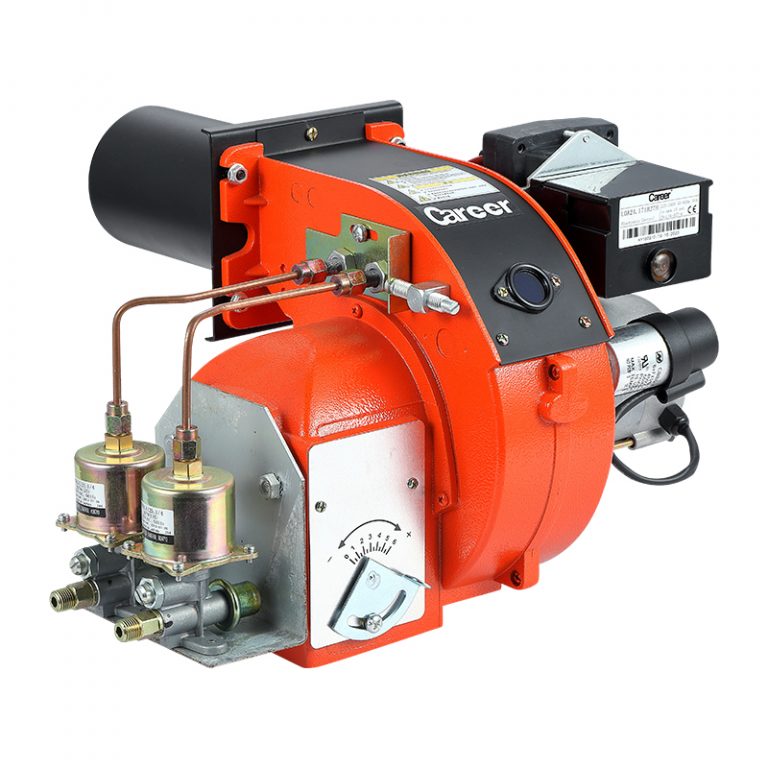
This is straightforward: measure the pain, match a flame tube and burner to real loads, keep fuel-handling tight, and avoid simple mistakes that cause repeat shutdowns. Engineers coming from field retrofits often choose modular, proven systems that let them scale without surprises—systems they source and test through trusted suppliers such as Career Burners where component specs and servicing data are available up front.