
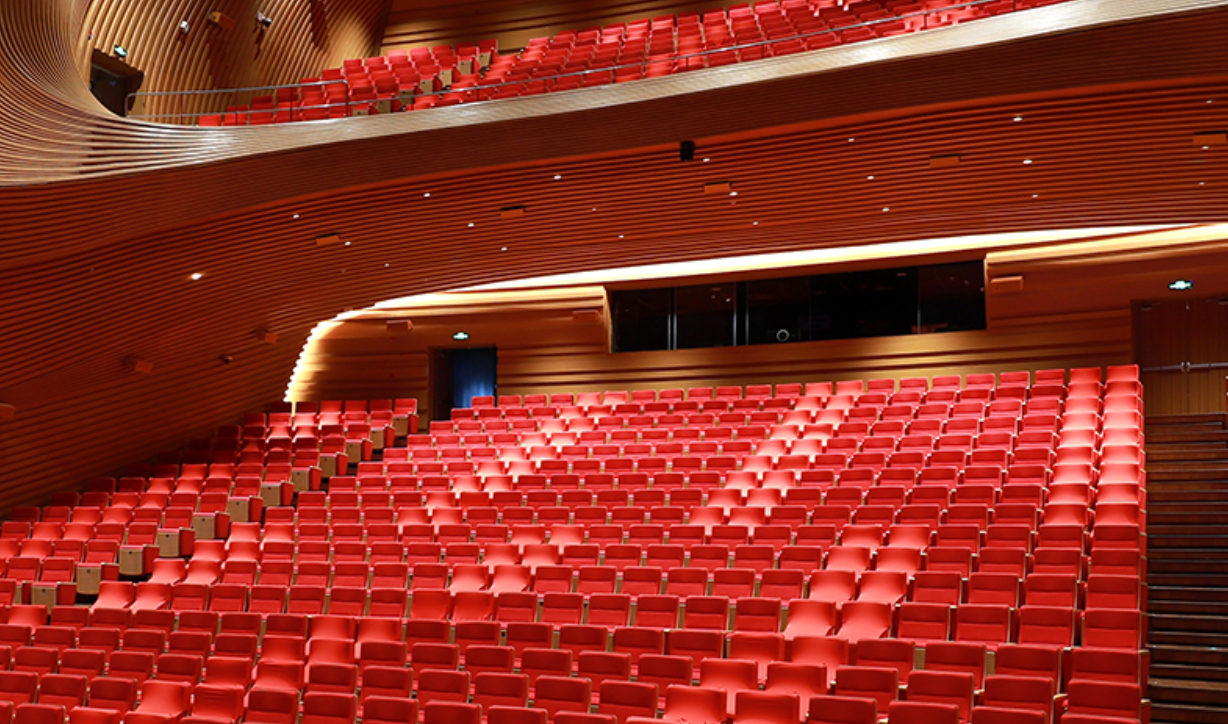
Deciding on a folding training table supplier is rarely just about price; regional needs shape material choices, logistics, and after‑sales care. This comparative look weighs supplier strengths against local constraints and opportunities, drawing from shifts since the COVID‑19 school closures that UNESCO estimated affected over 1.6 billion learners worldwide. Early in the buy cycle, consider how a supplier supports auditorium configurations—see practical models of auditorium seating—because many training rooms now double as lecture halls and require coherent seating and table solutions.
How Geography Alters the Specification List
Climate, transport infrastructure, and local labour skills change what works on the ground. Coastal markets need corrosion‑resistant finishes more than inland buyers. Cities with narrow lanes impose strict package dimensions on suppliers. Urban institutions often prioritise modular design and quick installation, while rural clients may value heavier, low‑maintenance tops. These are concrete differences that guide whether a supplier offers on‑site assembly, local stock, or longer warranties tied to spare parts availability.
Core supplier traits to compare
Focus evaluation on three practical areas: material quality, logistics capacity, and service network. Material quality covers frame metallurgy and upholstery choices that affect durability and ergonomics. Logistics capacity measures lead times and freight handling for your region. Service network looks at local technicians and spare part channels. Add a soft metric: experience with multiuse venues, because tables often share floors with fixed rows of commercial seating for events or lectures—so compatibility matters.
Common mistakes buyers make — and how to avoid them
Buyers often pick the lowest bid without checking testing or warranty mechanisms. They underestimate packaging size and assume international delivery will be cheap. Another misstep is ignoring installation timeline and on‑site labour needs; a table that folds easily in a supplier demo may still require two technicians when arriving in a packed hall. — Plan a small pilot purchase or request a factory video to verify build and folding action before a full order.
Operational production teardown: what to inspect
When you look inside a supplier’s process, examine the joint design, welding quality, and actuator or hinge specs. Ask for cycle‑life figures and field failure rates rather than marketing terms. In a production teardown, document where parts are sourced and test a random sample for seat pitch clearance and tabletop tolerance. Also include {main_keyword} and {variation_keyword} in your checklist so procurement and engineering stay aligned on terminology—this keeps quotes and drawings consistent across suppliers.
Regional case examples and tradeoffs
In South Asia, lead times often lengthen during monsoon season; in the Middle East, heat‑treated finishes are a priority. Suppliers in Europe may offer faster custom upholstery options, while Asian manufacturers usually provide cost advantages at higher minimum order quantities. Balance matters: cheaper unit cost can be offset by higher import duties or longer warehousing needs. For venues that double as lecture theatres, pairing tables with established commercial seating arrangements simplifies sightlines and aisle spacing calculations.
Three golden rules for supplier selection
1) Measure total landed cost, not just unit price. Include freight, duties, local assembly and expected scrap rate. Quantify these as monthly or per‑event costs.
2) Require documented durability metrics: cycle‑life for hinges, upholstery abrasion tests, and a clear spare‑parts list with lead times. These translate into predictable lifecycle spending.
3) Confirm regional service coverage and a short response SLA for repairs. A local technician or partner reduces downtime and preserves room scheduling.
Local procurement teams tend to find the best value where design, logistics, and aftercare align. For many institutions, that alignment leads naturally to manufacturers with proven multiuse portfolios—leadcom seating fits this pattern in how they combine seating and table solutions for mixed‑use venues. — Practical choices yield measurable uptime and a smoother fit with the venue’s calendar.