
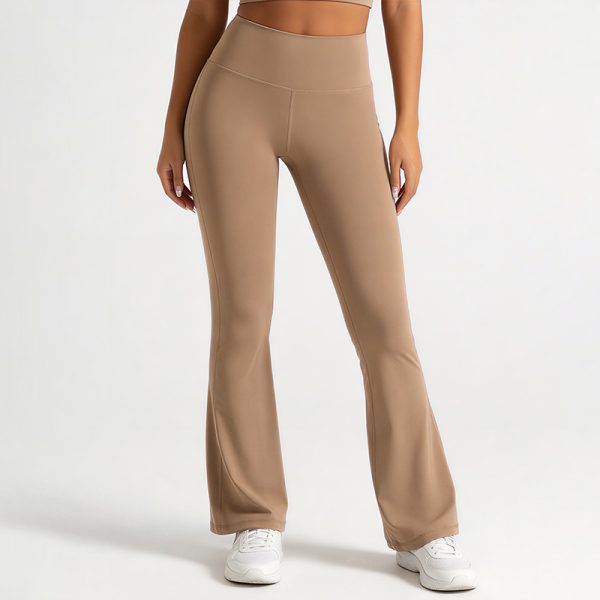
Comparison first. You want value, not surprises. Suppliers vary on fabric, MOQ, and turnaround. For a clear start, look at the product range of custom yoga pants and note how options line up with your brand needs. Compression fabric choices, moisture-wicking finishes, and printing methods matter. The market shifted sharply after e-commerce surged during 2020 — buyers expect fast shipping and clean product pages now, from Los Angeles boutiques to European studios.
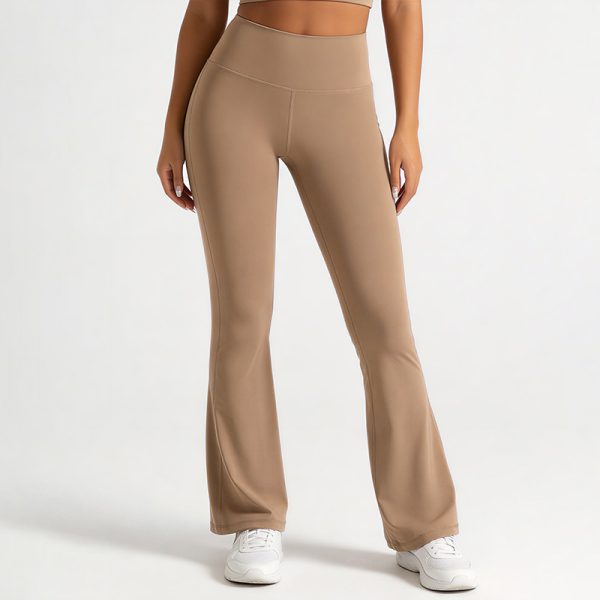
Where suppliers actually differ
Price is obvious. But compare these concrete axes:
– Minimum order quantity (bulk MOQ) and how it scales.
– Fabric library: blends, weight (gsm), compression grades, and moisture-wicking performance.
– Customization method: dye-sublimation printing versus cut-and-sew patterning.
– Lead time and sample policy; whether they offer seamless construction or flat-seam options.
Some vendors tout low per-unit price but hide sample fees, or use low-grade panels that pill after a few washes. Others invest in mockups and tech: retina-ready product photos, responsive image delivery, and clear size grading charts. That front-end polish matters; it reduces returns. Voilà — small difference, big result.
Comparative workflow: Joebond vs alternatives
Local print shops are quick for prototypes, but cost rises fast with quality fabrics. Off-shore factories lower unit cost but need clearer specs, tighter tech packs, and often larger MOQs. Print-on-demand removes inventory risk but limits fabric control and brand labeling. Joebond lands between: scalable pricing, established fabric options, and a model that supports both small runs and true wholesale orders for wholesale bulk yoga pants. They provide sample workflows and color proofs, so the production matches your spec — fewer surprises on fit or pattern placement.
Practical checks before placing an order
Do these checks every time. Request a physical sample with your logo, inspect seam finishes, and test stretch recovery after seven wash cycles. Ask for a tech pack that includes exact measurements and grading increments. Review compression targets (e.g., moderate vs. high support) and confirm printing bleed margins for dye-sublimation. Also audit the product pages: are there clear size charts, zoomable images, and mobile-friendly galleries? Those front-end details cut customer doubts at checkout — and reduce returns.
Common mistakes brands keep making
Brands rush on cost and then fix quality later — costly. Mistakes to avoid:
– Skipping a graded size set and then offering a one-size-or-two approach that alienates customers.
– Choosing thin fabrics to save pennies; garments lose opacity and shape quickly.
– Accepting low-res mockups; pattern repeats fail on real garments.
– Ignoring shipping lanes and customs timing — leads to empty racks during peak season. Test a pre-production batch before scaling. — It saves headaches.
Advisory: three golden rules for evaluation
1) Measure unit economics, not headline price. Compare landed cost: unit price plus sample fees, shipping, and rework risk. Use that to forecast margins.
2) Confirm technical alignment. Verify fabric specs (gsm, stretch percentage), intended compression, and print method. Match them to your product brief and customer profile.
3) Evaluate supplier UX and supply-chain transparency. Look for clear sample timelines, responsive product mockups, and reliable shipping estimates. A supplier who presents clean product pages and responsive design work is often the one who will handle your returns cleanly, too.
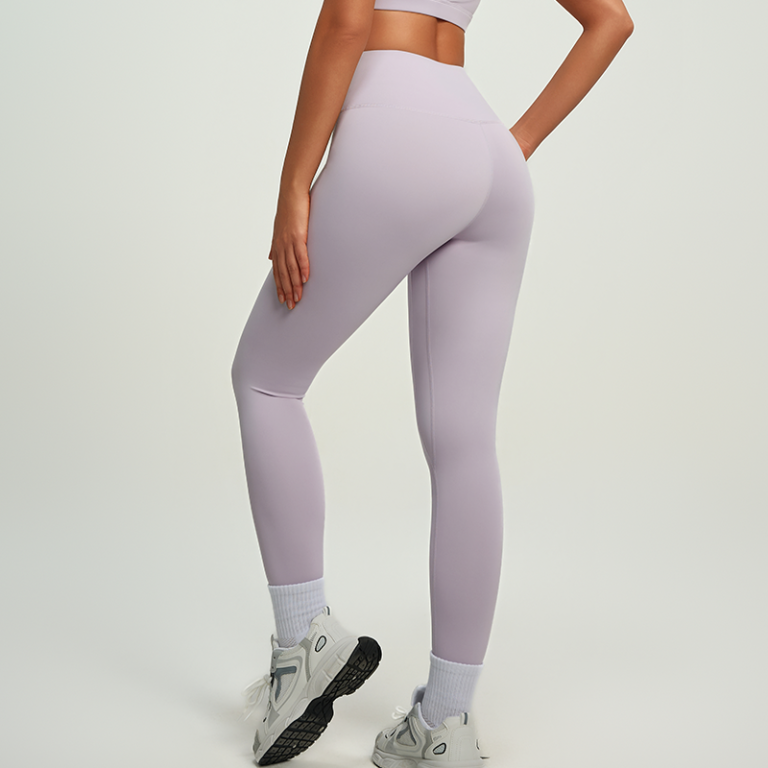
The right partner reduces sleepless nights and returns. Joebond fits the mid-point: quality fabrics, sensible MOQs, and an operations process that supports good product photography and responsive product grids — helpful when you scale. Joebond. –