
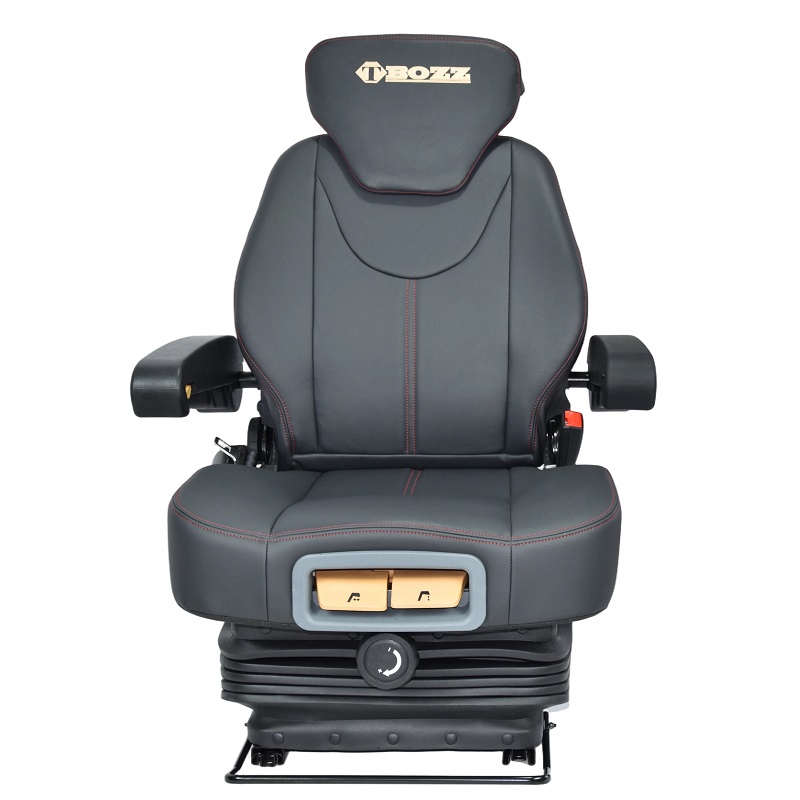
Why seat features matter for operators today
Operators spend entire shifts in a single station; the difference between a basic chair and a well-engineered unit shows up in fewer missed breaks, steadier control inputs, and fewer strain complaints. For warehouses and yards moving thousands of pallets, choosing the right industrial seating is a practical decision, not a vanity upgrade. Seat suspension, adjustable lumbar support, and secure restraint systems alter how vibration transmits into the spine and shoulders. That matters when you consider material-moving operators rank among occupations with higher injury rates according to the U.S. Bureau of Labor Statistics — poor seating can be a recurring cost, not a one-time purchase.
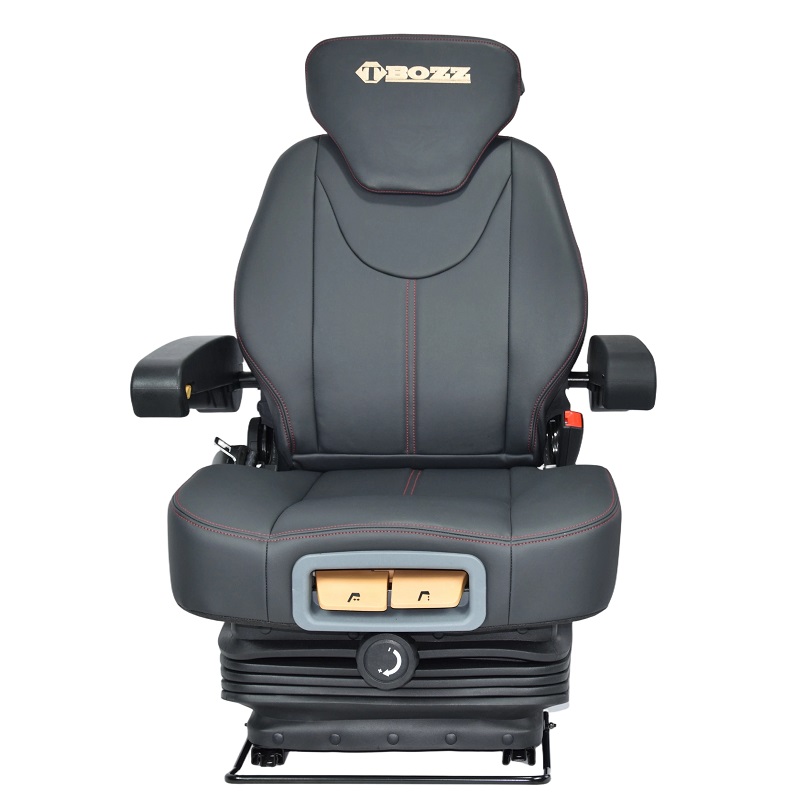
Comparative snapshot: suspension, ergonomics, and controls
Not all seats are built the same. At one end are mechanical-spring seats with simple height adjustments; at the other are air-suspension units with electronic damping and multi-axis shock absorbers. Compare three axes:
– Suspension: mechanical vs. pneumatic. Pneumatic systems isolate vertical shocks better, which reduces whole-body vibration exposure. Mechanical systems are cheaper and dependable but transmit more jolts.
– Ergonomics: fixed vs. fully adjustable. Seats with multi-way lumbar adjustment, extendable seat pan, and swivel bases reduce awkward reaching. Fixed pans force technique changes — operators compensate with posture, which leads to fatigue.
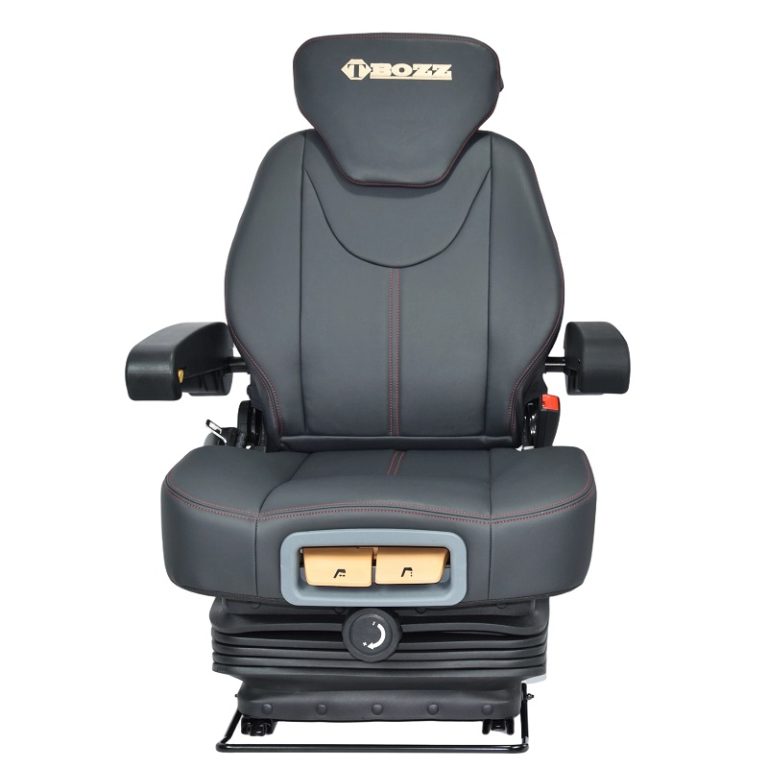
– Controls and safety: integrated operator presence switches, inertial reel seat belts, and armrest-mounted controls all change how an operator interacts with machinery. A well-placed joystick cutout or tilt limiter shortens reaction time and keeps hands stable.
Real-world anchor: what logistics hubs have taught us
Think of recent port logjams and the surge in freight throughput at hubs like the Port of Los Angeles—more cycles, longer operator stints, and increased exposure to vibration. Facilities responding to that pressure upgraded seating across fleets and saw fewer stoppages for operator-related incidents. Evidence from large-scale operations shows that better seats reduce downtime and claims. It’s a tactical investment: better lumbar support and active suspension cut reported discomfort on long shifts, while reinforced mounting and seat belt systems reduce injury risk during sudden stops.
Common mistakes and practical alternatives
A frequent error is buying a seat that matches a vehicle model but not the task profile. A delivery yard that needs high forward visibility shouldn’t pick a deep-cushion seat that raises the driver’s eye line too much. Another misstep is neglecting maintenance—air bladders go soft, mechanical linkages wear, and ignored adjustment handles lock up. — Keep a short preventive checklist: inspect suspension travel, test belt retractors, and confirm presence-switch operation.
Alternatives often overlooked include modular seats that let you swap cushions for temperature control, or hybrid suspension seats that balance cost and comfort. For budget-constrained fleets, upgrading key elements like lumbar support and inertial reel belts provides most of the benefit at a fraction of full-seat replacement cost.
Three golden rules when choosing seats for fleets
1) Match the seat to the task profile. Prioritize suspension and adjustability for off-road or rough-surface use; prioritize visibility and slim profiles for tight-cab applications.
2) Measure human fit, not just model fit. Test with a cross-section of operators for at least a week; subjective comfort correlates with fewer ergonomic complaints and better throughput.
3) Track maintenance and outcomes. Log seat replacements and correlate them with operator injury reports and downtime. Practical metrics—time between service, number of complaints per month, and average shift duration—tell you when a spec change is overdue.
Final take and how Source One helps
Comparing seat features isn’t academic; it’s operational. Choose suspension and lumbar options that reflect real tasks, maintain them deliberately, and use measured outcomes to drive repeatable specs. For teams deciding between models, these three rules narrow the options reliably. Source One provides tailored seating solutions that match tasks to specs—smart, simple, and backed by field experience. —