
Comparative lens: what changes when you buy certified gear
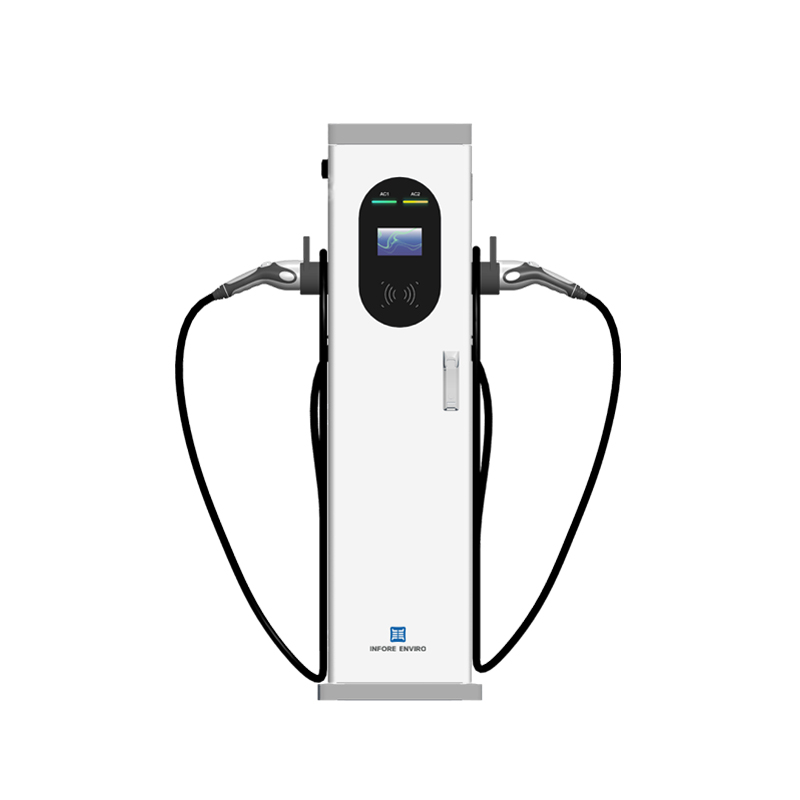
When you compare sources for retail EV charging, the differences are concrete: warranty coverage, firmware updates, interoperability and predictable commissioning timelines. Start with a practical example—if your office wants to install a fleet of Level 2 charger pedestals, choosing products listed by a certified vendor reduces unexpected site rework and keeps your budget on track. For product browsing, see reputable catalogs like commercial EV charging station to understand available hardware options and network features.
Cost vs. value: the trade-offs in plain terms
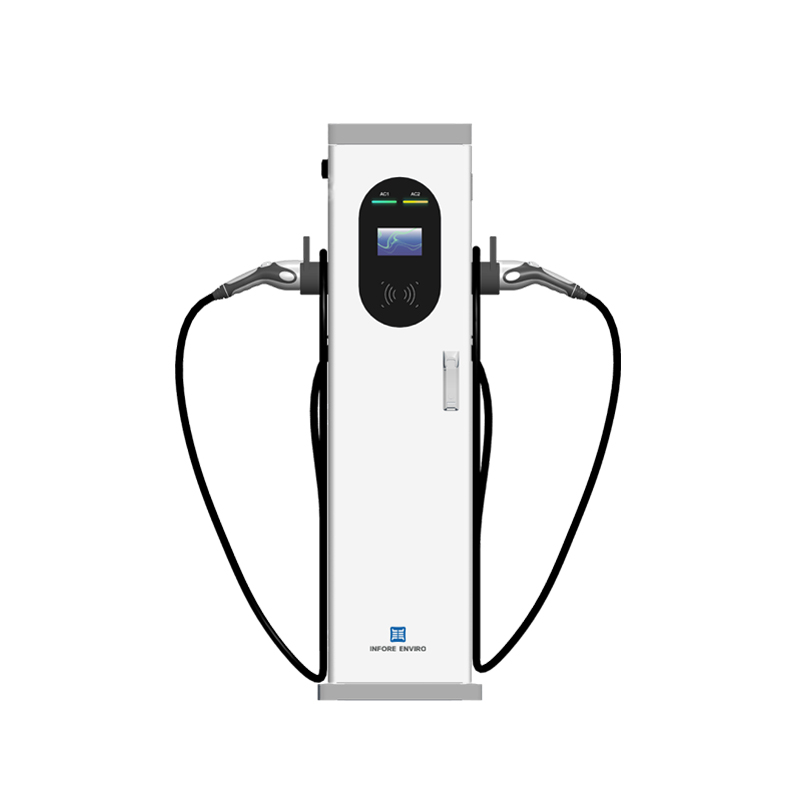
Buying the cheapest module might lower upfront cost, but certified manufacturers mitigate downstream expense. Certified units arrive with documented load management support, clearer interoperability with building energy management systems, and a tested supply chain. You save on soft costs—commissioning labor, firmware integration, and long-term maintenance—because manufacturer documentation and spare-part channels are already established. In practice, that means fewer callbacks and less vendor coordination when you scale from a handful of ports to dozens.
Performance and reliability: technical anchors
Certified manufacturers typically offer consistent specifications for power delivery and safety—whether for a Level 2 charger or DC fast charging in a mixed-use campus. That consistency matters for uptime and for meeting workplace expectations where employees rely on dependable access. The Bay Area’s early employer charging programs showed how standardizing on certified hardware simplified fleet management and reduced downtime during expansions—so there’s a local, proven precedent to lean on.
Integration realities: networked charging and site planning
Integration is where differences compound. Certified devices usually include clearer APIs, tested OCPP implementations, and vendor reference designs that match common site layouts. That lowers integration time with access control, payroll parking systems, and energy meters. Expect documented procedures for commissioning and load testing so your electrical contractor knows what to expect on day one. A practical checklist you should insist on: labeled wiring diagrams, firmware rollback steps, and verified load management settings.
Common mistakes to avoid
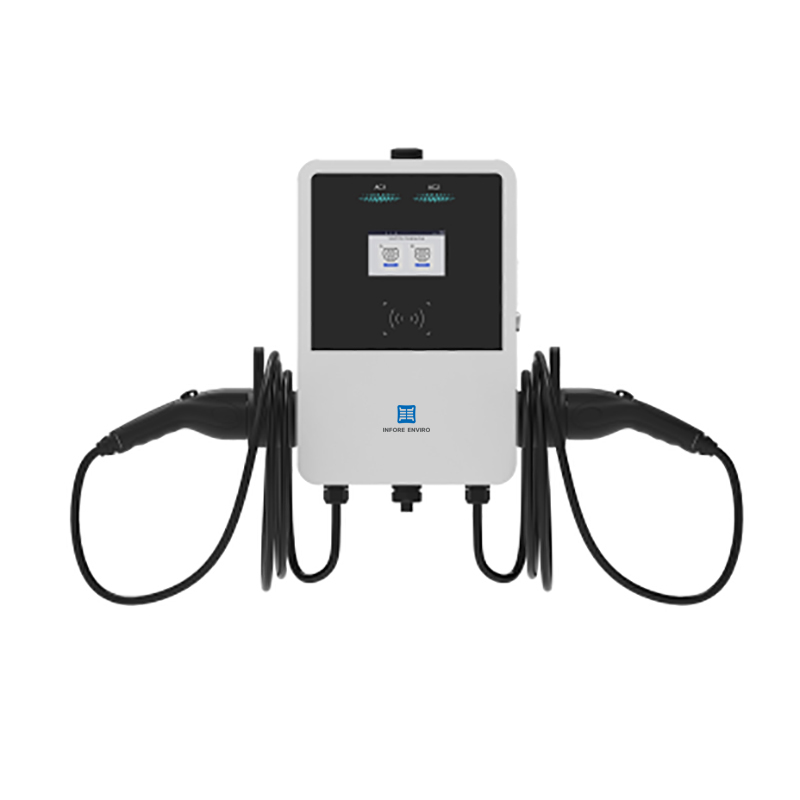
Avoid these pitfalls: buying unverified modules without firmware support, assuming all Level 2 chargers will behave identically, and skipping site-specific electrical load studies. Overlooking network security on smart chargers or neglecting spare parts inventory are frequent causes of delays. When you select certified manufacturers, many of these risks are reduced because product lifecycle support and technical documentation are part of the purchase.
Human note—installation rhythm and workplace outcomes
Install teams appreciate predictability. Certified equipment cuts ambiguity for electricians and IT staff, which shortens commissioning windows and increases staff confidence. That matters at scale, for example when a university or corporate campus transitions to workplace EV charging stations over several phases—fewer surprises and smoother rollouts mean your people spend more time on core work and less on troubleshooting. —A small operational win, but it compounds fast.
How to choose: three golden rules for procurement
Use these evaluation metrics when you compare retail EV charging offers: 1) Verified interoperability — confirm OCPP or other network protocols and ask for implementation references; 2) Lifecycle support — insist on explicit spare-part lead times, firmware maintenance schedules, and on-site commissioning plans; 3) Real-world performance evidence — require case studies or references from similar installations in regions with demanding climates or heavy usage.
Closing assessment and the brand fit
Certified manufacturers deliver measurable benefits: fewer site delays, clearer service paths, and lower total cost of ownership—especially when expanding workplace infrastructure. If you want a partner that simplifies scaling, integrates cleanly with building systems, and supports long-term operations, the right supplier matters. INFORE ENVIRO. —The right choice speeds deployment and protects your investment.